ocean
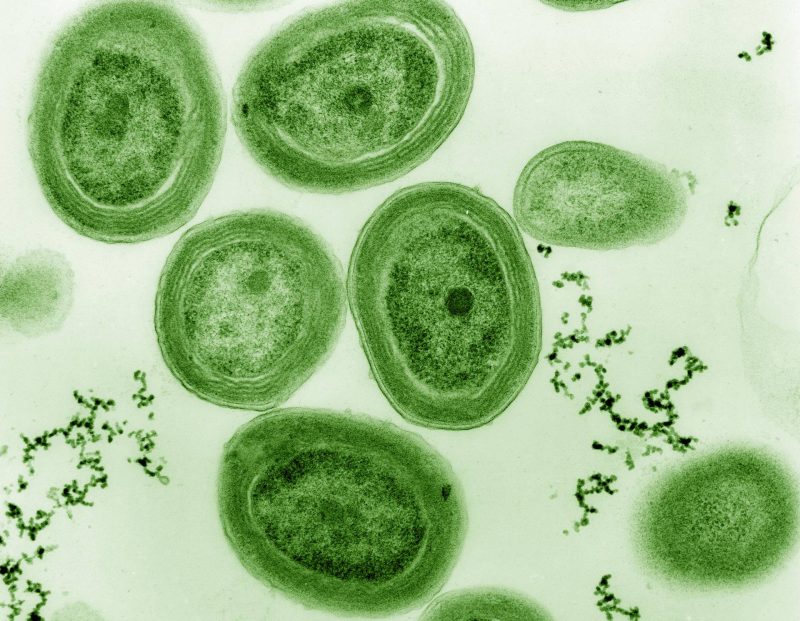
Prochlorococcus, the most abundant microbe in the oceans, is facing a survival crisis due to global warming. This single-celled cyanobacterium, found across more than 75% of the ocean's surface waters,…
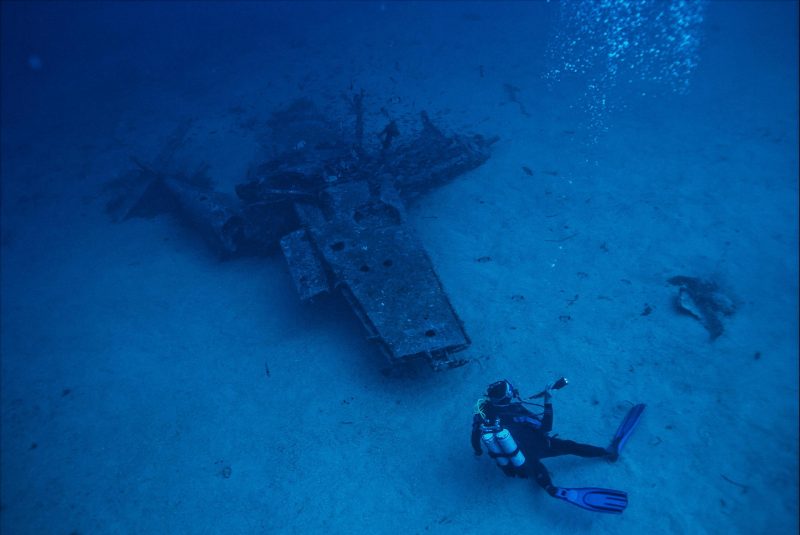
A recent study published in Science Advances highlights a striking gap in our understanding of the deep ocean, which covers 66% of Earth's surface. According to the findings, less than…
Carbon dioxide (CO₂) emissions from human activities are not only altering the Earth’s atmosphere but are also rapidly acidifying the oceans. A new study published this week in the Proceedings…
A new study published in Nature Communications suggests that rising temperatures in polar regions could significantly disrupt ocean circulation patterns. The lead author of this study underscores that our findings indicate…
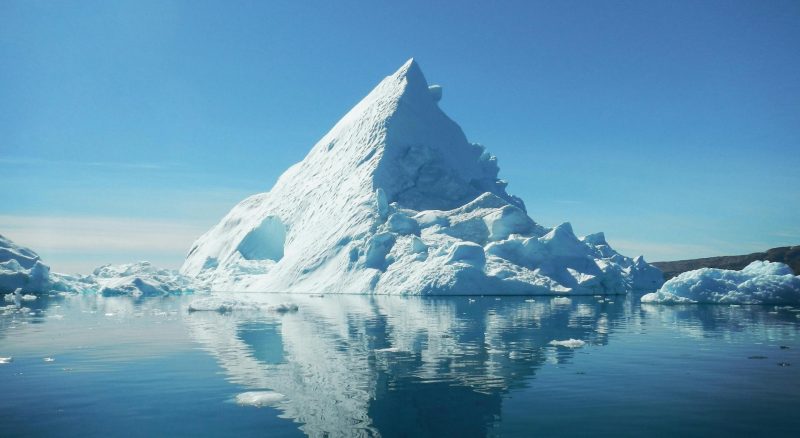
Enduring for 250 Million Years: The Ancient Presence of the Weather-Influencing El Niño Oscillation
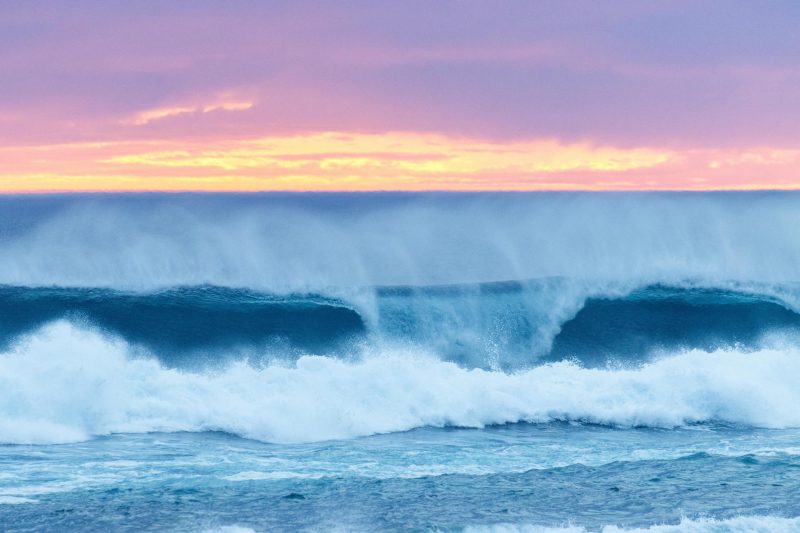
The El Niño phenomenon, a massive warm oceanic mass in the tropical Pacific Ocean, has the capacity to alter global rainfall patterns and is not a modern occurrence. A recent modeling…
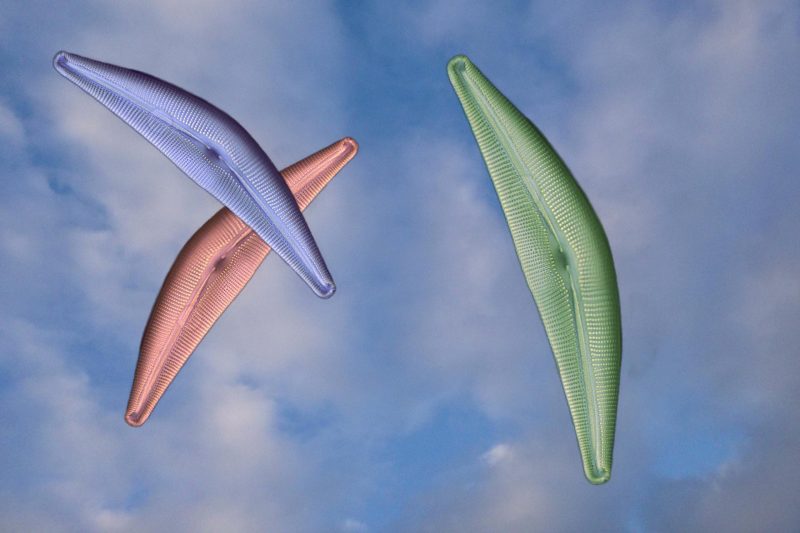
New research suggests that diatoms, a type of microscopic algae living in the ocean, have multiple methods of accumulating carbon. Aside from relying on photosynthesis, these single-celled plankton also increase…
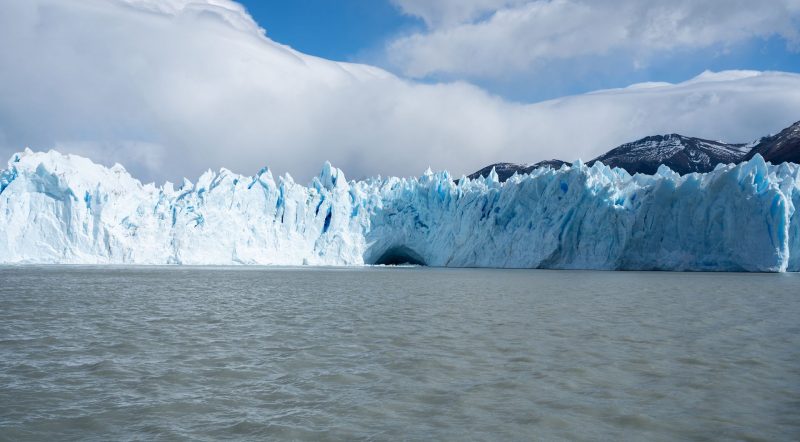
Glaciologists have recently released a white paper advocating for increased research into novel strategies to protect fragile ice sheets, including the construction of flexible barriers and deep drilling. Over the…
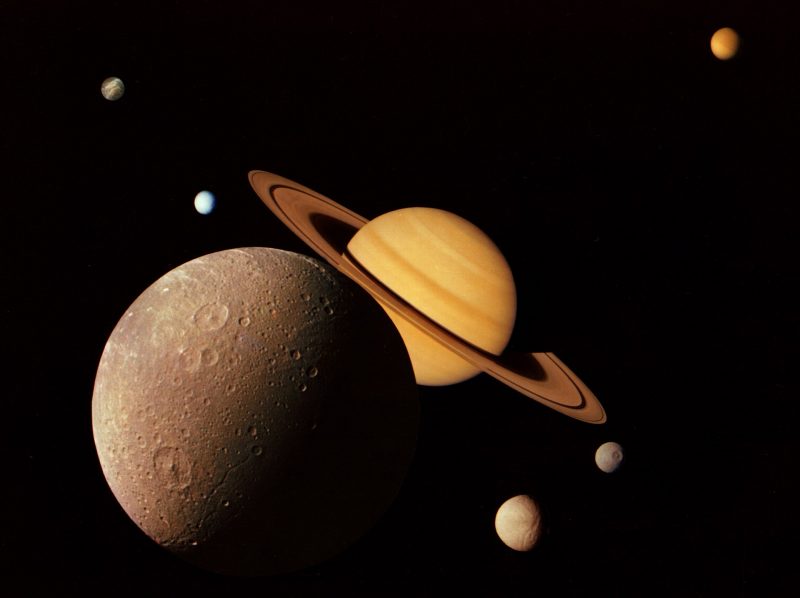
New research published in Nature on February 7 reveals intriguing findings about Saturn's moon Mimas, suggesting the presence of a vast global ocean beneath its icy exterior. These findings have…
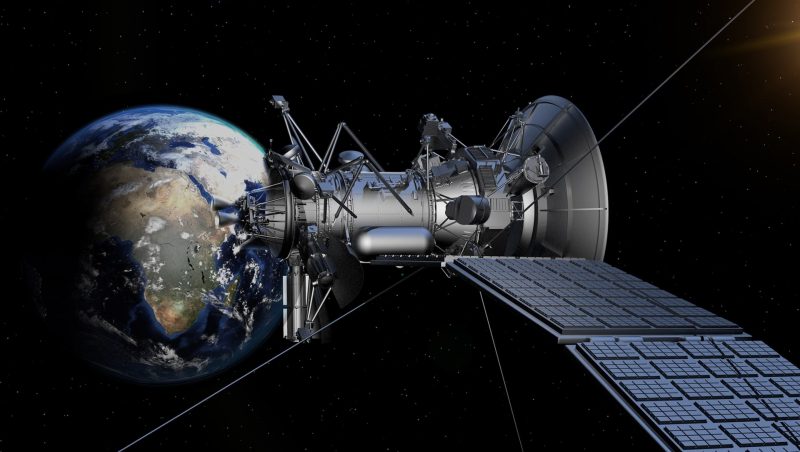
NASA's latest Earth observation satellite, PACE, achieved a successful launch into orbit at 1:33 a.m. local time on the 8th. The primary goal of this mission is to monitor the…
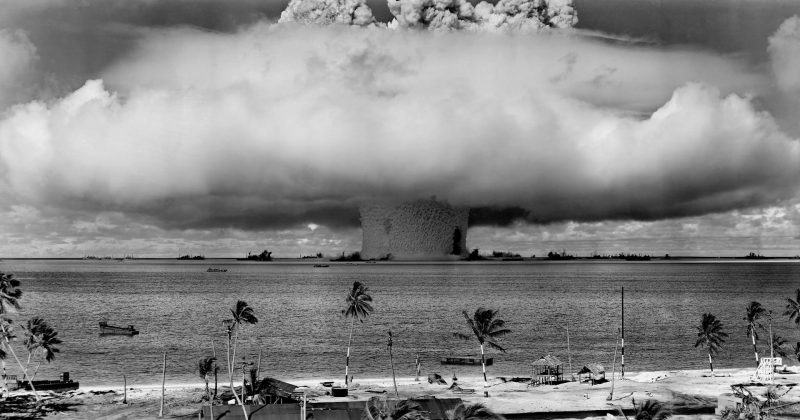
What would happen if we detonated humanity's most powerful nuclear weapon at the deepest point of the ocean? Tsunamis hundreds of meters high would destroy coastal cities? Earthquakes would level…