Carbon dioxide (CO₂) emissions from human activities are not only altering the Earth’s atmosphere but are also rapidly acidifying the oceans. A new study published this week in the Proceedings of the National Academy of Sciences (PNAS) warns that within the next 50 years, this acidification could reduce the ocean’s ability to absorb CO₂ by 10%, primarily due to its harmful effects on phytoplankton.
Phytoplankton—microscopic, single-celled organisms that absorb CO₂ through photosynthesis—play a vital role in the global carbon cycle. However, excessive CO₂ disrupts this natural system. When CO₂ dissolves in seawater, it triggers chemical reactions that increase ocean acidity, potentially harming phytoplankton populations. While some studies have reported increases in phytoplankton abundance, these were mostly conducted in nutrient-rich coastal and high-latitude regions, and may not reflect the situation in tropical and subtropical waters.
To gain a more comprehensive understanding, researchers from Princeton University and Xiamen University conducted a six-year survey across 45 sites in the South China Sea and the North Pacific. Simulating future ocean conditions with atmospheric CO₂ concentrations reaching 700 parts per million (ppm), the team tracked the growth of various phytoplankton species. The findings show that the impact of ocean acidity depends on the availability of nitrate, a key nutrient. Smaller bacterial phytoplankton appeared largely unaffected, while larger eukaryotic phytoplankton experienced up to a 30% reduction in growth rate during summer near the equator.
Based on these results, the researchers estimate that ocean acidification could reduce the annual carbon uptake by eukaryotic phytoplankton in tropical and subtropical waters by as much as 5 trillion kilograms over the next five decades. Further analysis revealed that supplementing nitrate in more acidic waters helped restore phytoplankton growth rates—highlighting a potential mitigating factor amid growing environmental concerns.
Ocean Acidification Threatens to Undermine Global Carbon Absorption, Study Finds

Tags
At a joint meeting of the European Planetary Science Congress (EPSC) and the Division for Planetary Sciences (DPS) in Helsinki, scientists from the Space Research Institute of the Austrian Academy…

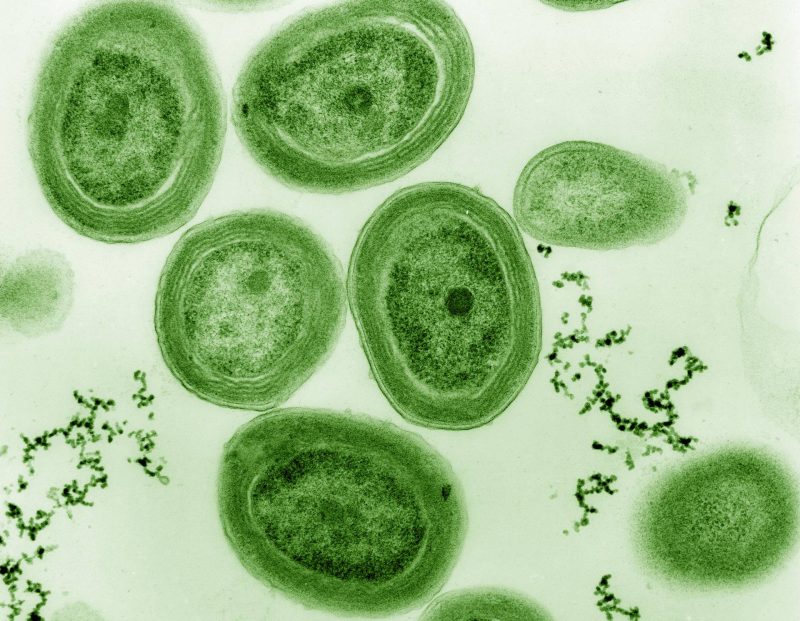
Prochlorococcus, the most abundant microbe in the oceans, is facing a survival crisis due to global warming. This single-celled cyanobacterium, found across more than 75% of the ocean's surface waters,…
Earth's climate has swung dramatically between extremes of ice and heat throughout its history. In fact, for much of geological time, Earth has been a warm, ice-free planet. During the Cretaceous…

MIT Boosts Key Photosynthesis Enzyme Efficiency by 25%, Paving Way for Higher Crop Yields
A research team at the Massachusetts Institute of Technology (MIT) has significantly enhanced the efficiency of Rubisco, a crucial enzyme in photosynthesis, using an advanced technique known as continuous directed…

A recent study published in Science Advances highlights a striking gap in our understanding of the deep ocean, which covers 66% of Earth's surface. According to the findings, less than…

Global warming could significantly increase methane emissions from wetlands by promoting the growth of methane-producing microbes while suppressing the activity of methane-consuming organisms, according to a study published in Science…