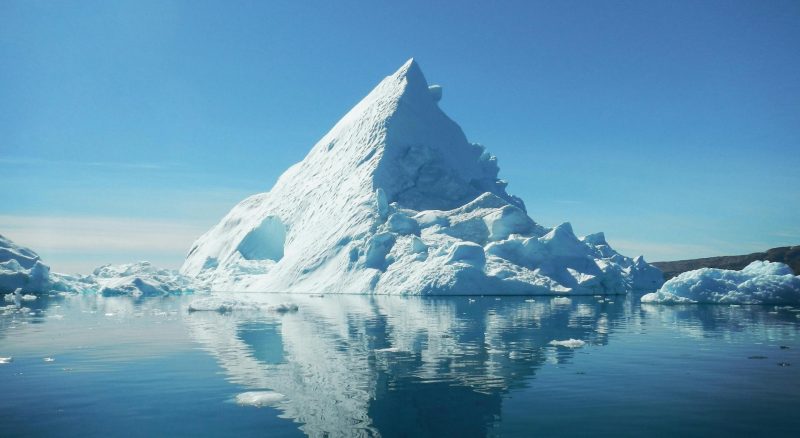
A new study published in Nature Communications suggests that rising temperatures in polar regions could significantly disrupt ocean circulation patterns.
The lead author of this study underscores that our findings indicate accelerated melting of Arctic sea ice could lead to a significant cooling in Northern Europe, a result that is startling. "This serves as a reminder that Earth's climate is a delicate balance easily influenced by changes in temperature and ice cover."
The Nordic Seas, located between Greenland and Norway, are a crucial region for ocean heat transport, with impacts on climate patterns extending far beyond geographical boundaries. During the early Last Interglacial period over 100,000 years ago, global temperatures were higher, ice volume was lower, and sea levels significantly rose. The research team correlates the warming climate and accelerated melting of Arctic sea ice during that period with changes in regional sea surface temperatures and ocean circulation. The melting ice alters the salinity and density of seawater, disrupting the normal flow of currents, leading to changes in ocean circulation patterns and heat distribution.
Researchers emphasize the critical importance of understanding the climatic dynamics of the Last Interglacial period. Warm periods in Earth's history highlight the significance of feedback mechanisms within the climate system. With the Arctic continuing to warm, sea ice decreasing, ocean currents, and weather patterns may undergo further changes.
Arctic Warming's Ripple Effect: Disrupting Ocean Circulation and Climate Patterns
Tags
The Sahara Desert, one of the driest places on Earth with an average annual rainfall of just about three inches, may experience a striking transformation later this century. A new study…

A new study led by the University of Exeter warns that the world has crossed its first recognized climate "tipping point", as coral reef ecosystems enter a state of widespread…

A new study led by the University of Reading challenges long-held assumptions about primate origins. For decades, scientists believed primates, including humans, emerged from warm, humid tropical forests. However, reanalysis…

A research team from The Hong Kong Polytechnic University has, for the first time, used Satellite Laser Ranging (SLR) technology to generate precise global records of ocean mass changes spanning…

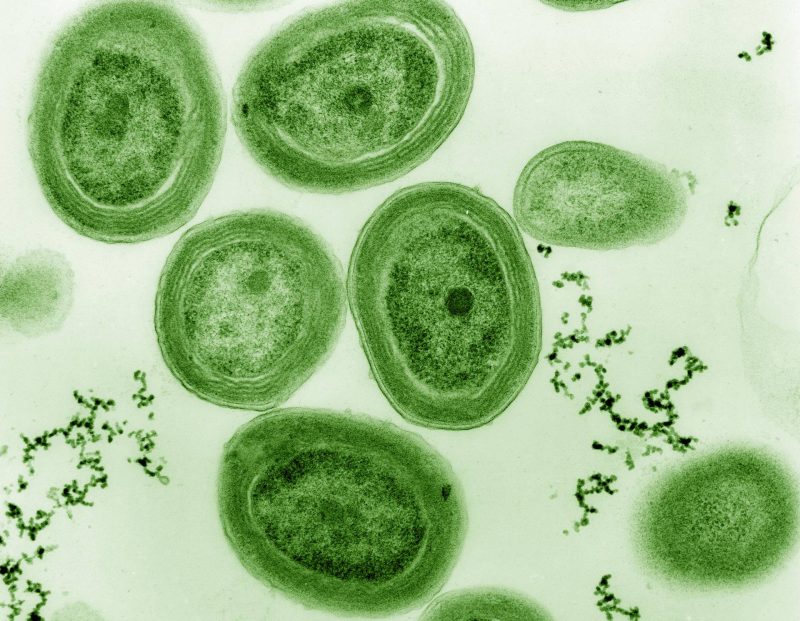
Prochlorococcus, the most abundant microbe in the oceans, is facing a survival crisis due to global warming. This single-celled cyanobacterium, found across more than 75% of the ocean's surface waters,…
A new study from the University of Hong Kong, published in Nature Climate Change, has found that long-term exposure to extreme heat can accelerate organ aging and increase multiple health…