A recent study published in Science Advances highlights a striking gap in our understanding of the deep ocean, which covers 66% of Earth's surface. According to the findings, less than 0.001% of the deep-sea floor has been observed—an area smaller than one-tenth the size of Belgium.
Led by the nonprofit Ocean Discovery League, the study analyzed data from approximately 44,000 deep-sea dives conducted by 120 countries since 1958. The results show a significant geographic concentration: 65% of observations occurred within 200 nautical miles of the U.S., Japan, and New Zealand, with 97% of all dives carried out by just five countries— the U.S., Japan, New Zealand, France, and Germany.
Moreover, nearly 30% of early footage was captured in black-and-white and low resolution, and public access to data remains limited, suggesting that actual exploration coverage may be even smaller than reported.
As the largest ecosystem on the planet, the deep ocean plays a vital role in climate regulation and biodiversity. Yet the study reveals critical gaps in research focus, with scientists disproportionately targeting features like undersea canyons, while largely overlooking the more widespread abyssal plains and seamounts. This bias could lead to a distorted understanding of deep-sea ecosystems.
With emerging threats such as deep-sea mining and climate change, the lack of comprehensive knowledge could have serious consequences. The research team stresses the urgent need to broaden and deepen deep-sea exploration. The National Geographic Society echoed this call, advocating for technological innovations to reduce costs and enable broader global participation in deep-sea science.
Study Reveals Humanity Has Explored Less Than 0.001% of the Deep Ocean

Tags
The Sahara Desert, one of the driest places on Earth with an average annual rainfall of just about three inches, may experience a striking transformation later this century. A new study…

A new study led by the University of Exeter warns that the world has crossed its first recognized climate "tipping point", as coral reef ecosystems enter a state of widespread…

A new study led by the University of Reading challenges long-held assumptions about primate origins. For decades, scientists believed primates, including humans, emerged from warm, humid tropical forests. However, reanalysis…

A research team from The Hong Kong Polytechnic University has, for the first time, used Satellite Laser Ranging (SLR) technology to generate precise global records of ocean mass changes spanning…

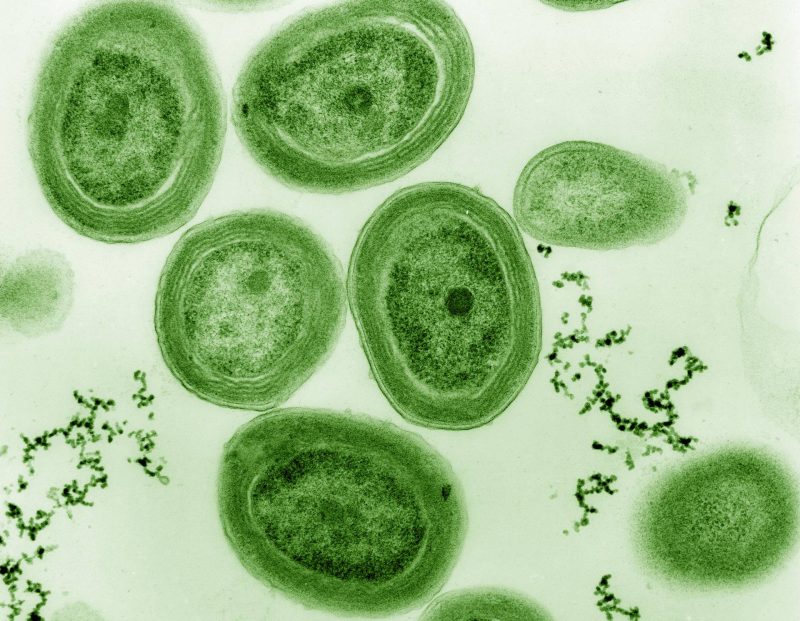
Prochlorococcus, the most abundant microbe in the oceans, is facing a survival crisis due to global warming. This single-celled cyanobacterium, found across more than 75% of the ocean's surface waters,…
A new study from the University of Hong Kong, published in Nature Climate Change, has found that long-term exposure to extreme heat can accelerate organ aging and increase multiple health…