JWST
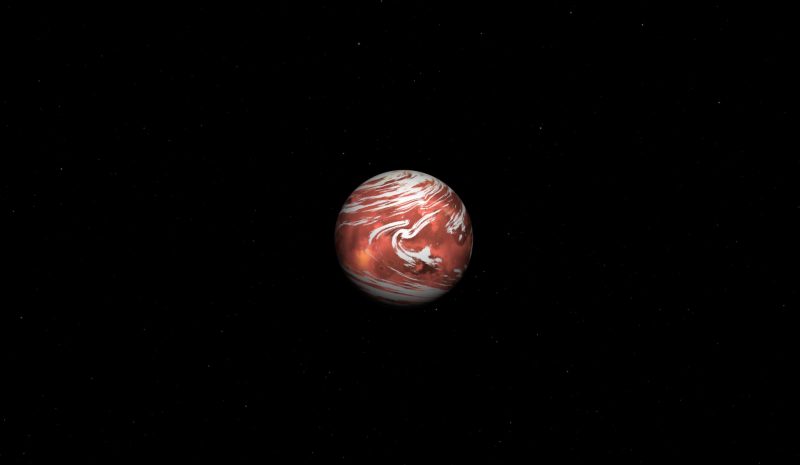
Astronomers may have detected a giant exoplanet orbiting Alpha Centauri A, a Sun-like star located about 4.3 light-years from Earth. The candidate planet lies within the star's habitable zone and…
Since its 2022 launch, NASA's James Webb Space Telescope (JWST) has detected hundreds of mysterious “little red dots” in the early universe—objects appearing within the first billion years after the…
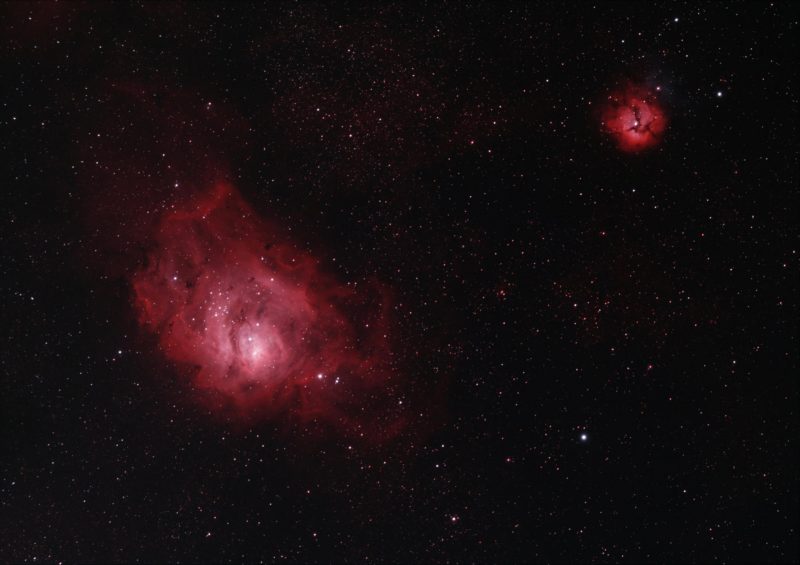
For the first time, astronomers have observed a planetary system in the earliest known stage of formation outside our solar system—a breakthrough that sheds new light on the origins of…
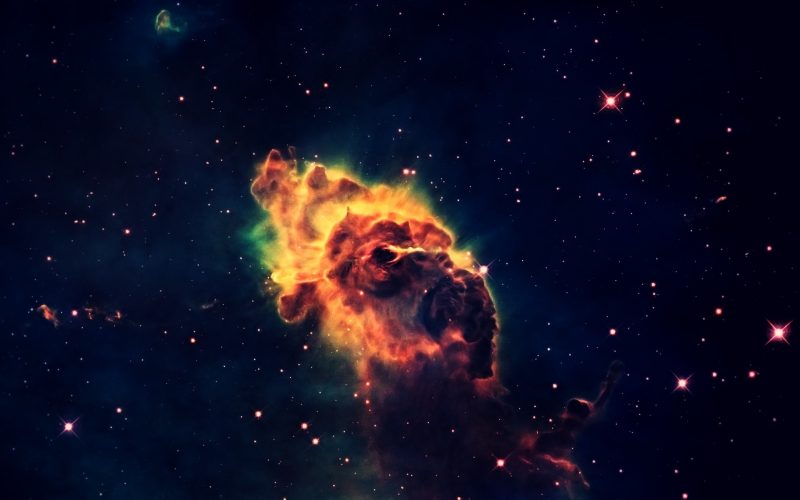
A team of astronomers from the University of Cambridge has reported the potential detection of life-related molecules in the atmosphere of exoplanet K2-18 b, located approximately 124 light-years from Earth.…
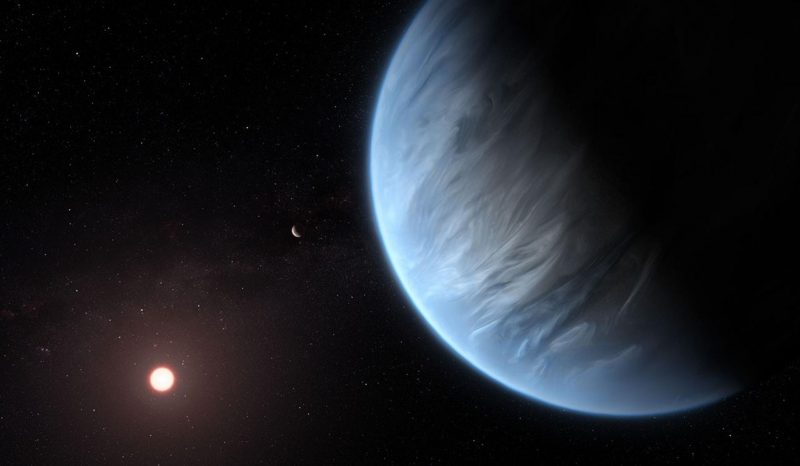
NASA's James Webb Space Telescope (JWST) has observed a rare and dramatic cosmic event: a planet actively spiraling into its host star. This groundbreaking discovery challenges the long-held belief that…
An international team led by physicists from the Massachusetts Institute of Technology (MIT) has developed a novel method capable of identifying asteroids in the main asteroid belt with diameters as…
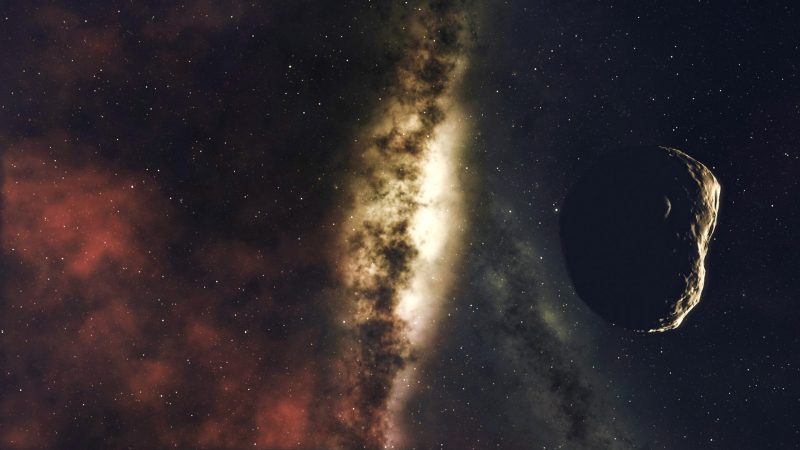
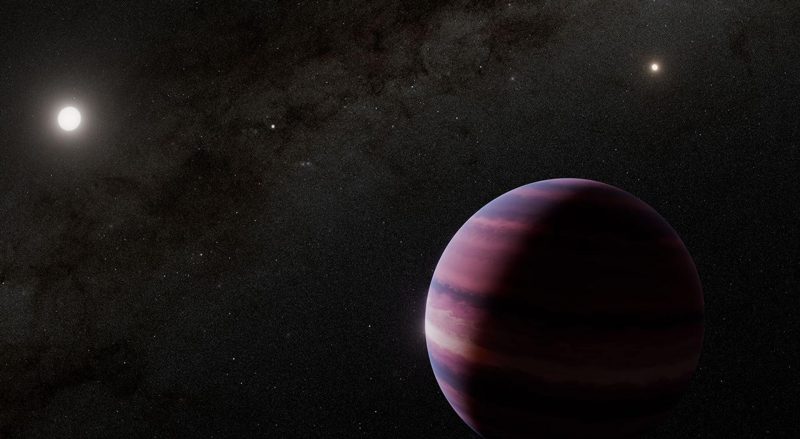
How small can a star be? Astronomers using NASA's James Webb Space Telescope (JWST) to study star-forming regions near the Milky Way may have spotted the smallest brown dwarf yet.…
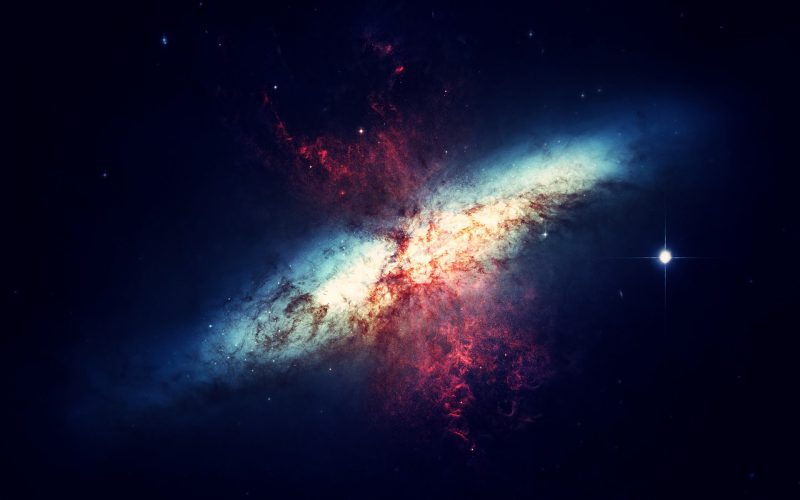
Using the James Webb Space Telescope (JWST), astronomers have detected for the first time that a rocky planet outside our solar system has an atmosphere. Although the planet may be…
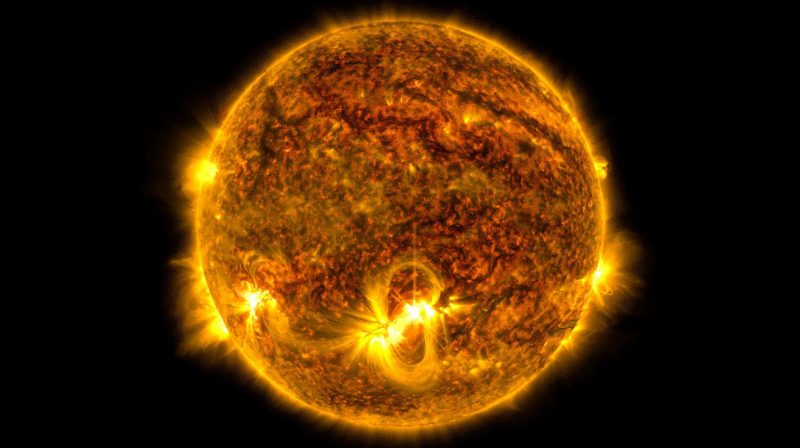
A study published on March 28 in The Astrophysical Journal presents substantial evidence supporting the existence of a tidally synchronized exoplanet, characterized by a 1:1 tidal locking phenomenon. The research, led…
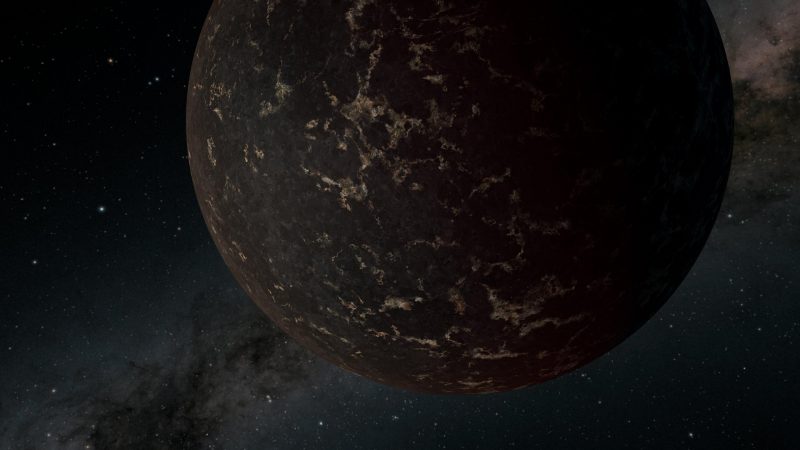
NASA recently made an exciting announcement about the discovery of a fascinating exoplanet named TOI-715 b, which has been classified as a "super-Earth." Located approximately 137 light-years away from our…