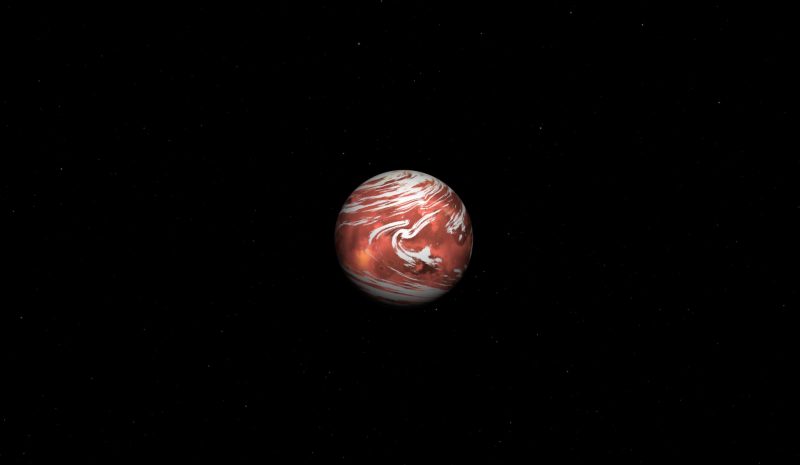
NASA recently made an exciting announcement about the discovery of a fascinating exoplanet named TOI-715 b, which has been classified as a "super-Earth." Located approximately 137 light-years away from our planet, this exoplanet resides within the habitable zone of its parent star. The presence of a habitable zone suggests that TOI-715 b may possess the necessary conditions, such as suitable temperatures, to sustain liquid water—a crucial requirement for the existence of life.
Compared to Earth, TOI-715 b is about 1.5 times larger in diameter and orbits a smaller red dwarf star. During a press conference held on January 31, NASA revealed that there is a possibility of a second Earth-sized planet within the same system. If confirmed, this would be the smallest habitable planet discovered thus far by the Transiting Exoplanet Survey Satellite (TESS).
Due to the exoplanet's close proximity to its parent star—a red dwarf star that is smaller and cooler than our Sun—a year on TOI-715 b amounts to a mere 19 Earth days, highlighting the significant differences in orbital dynamics.
Since its launch in 2018, TESS has made continual advancements in detecting exoplanets situated within the habitable zone. These discoveries have captivated the attention of scientists and will serve as focal points for observations conducted by the James Webb Space Telescope. The Webb telescope possesses the remarkable capability to not only identify exoplanets but also analyze the composition of their atmospheres, providing invaluable insights into the potential existence of life.
The research and findings regarding this super-Earth were led by Georgina Dransfield from the University of Birmingham in the United Kingdom. Their work was published in the journal Monthly Notices of the Royal Astronomical Society in January of this year. NASA considers this discovery to be a crucial milestone in advancing astronomers' understanding of atmospheric conditions necessary for supporting life and exploring the distinct characteristics of exoplanets beyond our solar system.
NASA Discovers "Super-Earth" TOI-715 b: A Potential Habitable Exoplanet
Tags
A groundbreaking study by scientists from Pennsylvania State University and Columbia University, recently published in Nature Geoscience, reveals that Earth's continents owe their long-term stability—and their role as the cradle…

A new NASA study indicates that Saturn's largest moon, Titan, may host naturally forming primitive cell-like structures called vesicles within its liquid hydrocarbon lakes. The finding offers fresh insight into…
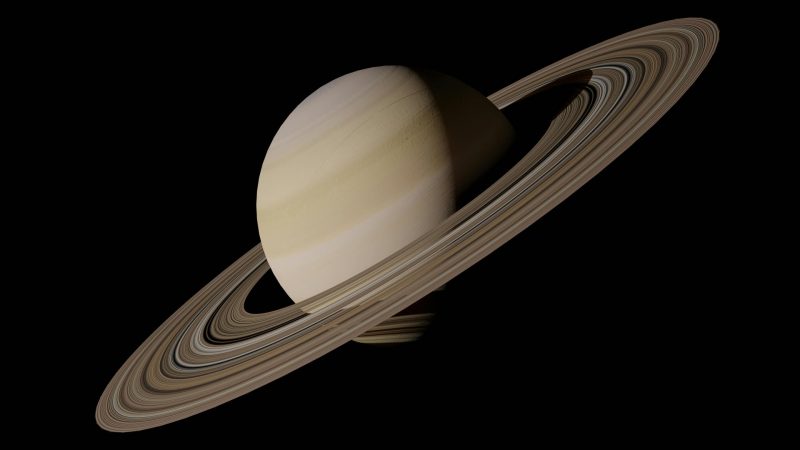
Astronomers may have detected a giant exoplanet orbiting Alpha Centauri A, a Sun-like star located about 4.3 light-years from Earth. The candidate planet lies within the star's habitable zone and…
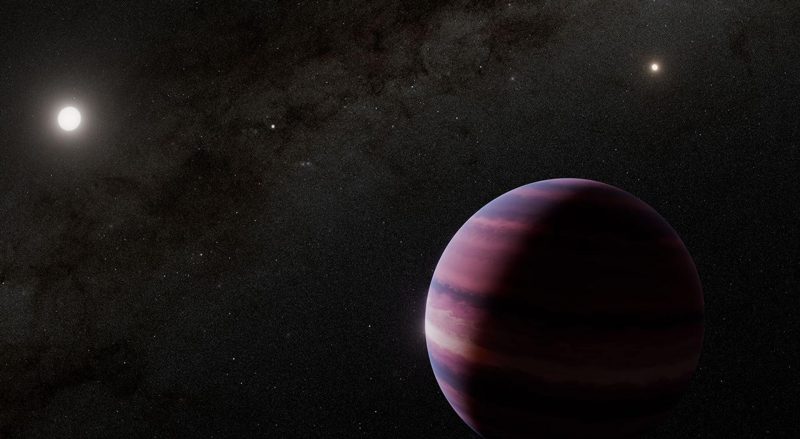
Since its 2022 launch, NASA's James Webb Space Telescope (JWST) has detected hundreds of mysterious “little red dots” in the early universe—objects appearing within the first billion years after the…
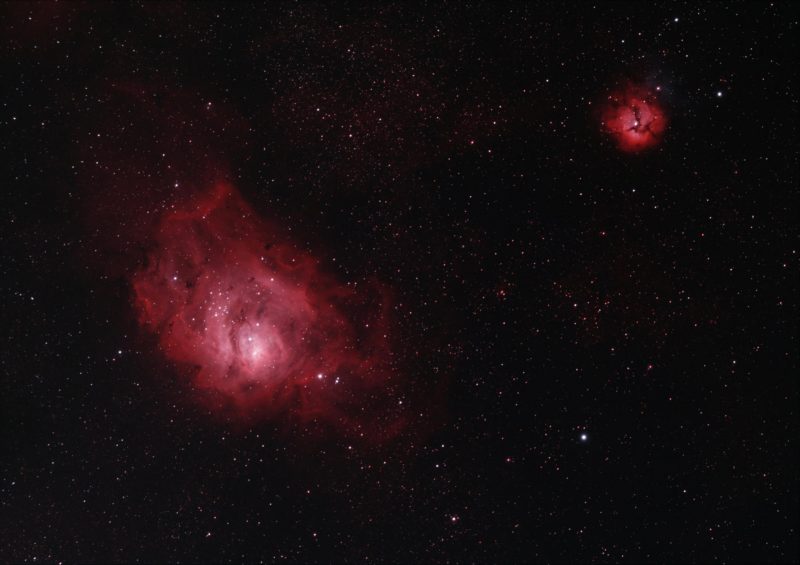
For the first time, astronomers have observed a planetary system in the earliest known stage of formation outside our solar system—a breakthrough that sheds new light on the origins of…
Researchers at Carnegie Mellon University have developed “Zippy”, the world's smallest self-powered bipedal robot. Standing just 1.5 inches tall, Zippy can walk at over 0.5 miles per hour and is…