evolution
A 97-million-year-old sea turtle fossil unearthed in Lebanon is reshaping scientists' understanding of how turtles adapted to life in the ocean. The study, published in iScience, a journal under Cell,…

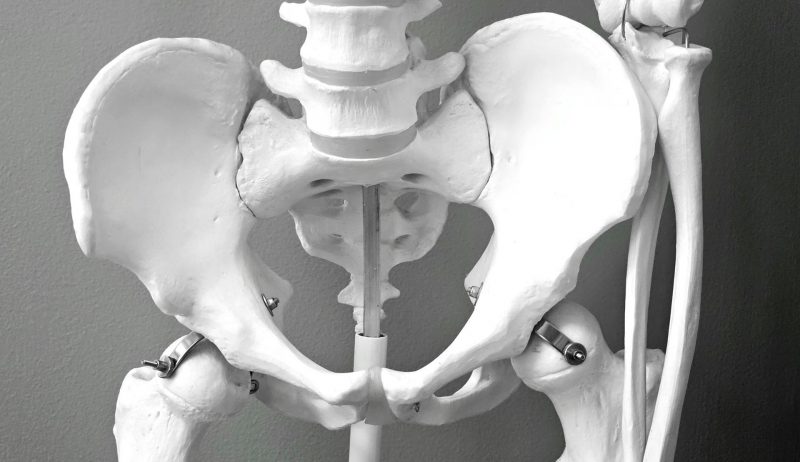
Although all vertebrates possess a pelvis, only humans have evolved a structure optimized for efficient, long-distance bipedal locomotion. This evolutionary transformation took over five million years, yet the precise developmental…
Mammals Have Evolved Ant- and Termite-Eating Adaptations at Least 12 Times Since Dinosaur Extinction
Since the extinction of non-avian dinosaurs 66 million years ago, mammals have independently evolved specialized adaptations for feeding on ants and termites at least 12 times. This finding, published in…

MIT Boosts Key Photosynthesis Enzyme Efficiency by 25%, Paving Way for Higher Crop Yields
A research team at the Massachusetts Institute of Technology (MIT) has significantly enhanced the efficiency of Rubisco, a crucial enzyme in photosynthesis, using an advanced technique known as continuous directed…

A new study has found that two soil-dwelling nematode species—Caenorhabditis elegans and Caenorhabditis briggsae—despite diverging from a common ancestor over 20 million years ago, still exhibit remarkably similar patterns of…

A groundbreaking study has revealed that the differences between humans and other primates extend beyond intelligence to include emotional and social cognitive abilities. By comparing brain scans of humans, chimpanzees,…
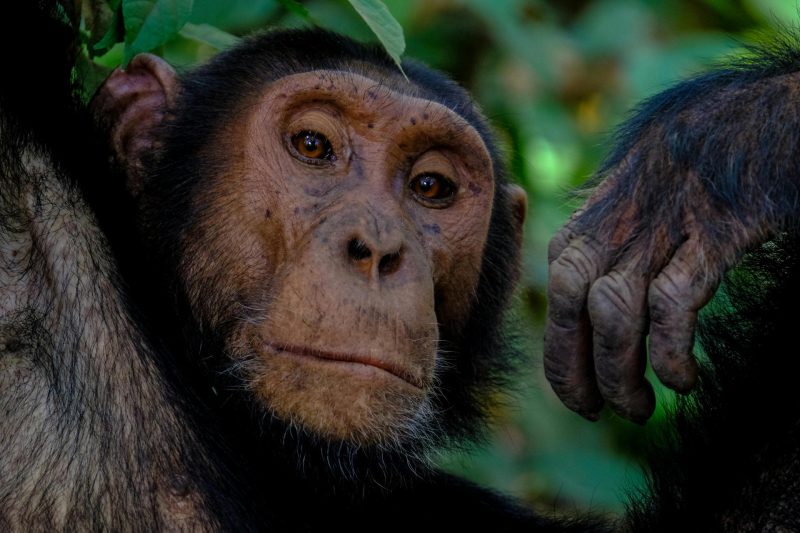
For humans, our performances can improve or worsen when observed by an audience. In a recent report published in the iScience sub-journal of Cell by researchers at Kyoto University in…

A new study from Imperial College London reveals that by protecting just 0.7% of the world's land area, it is possible to aid in the conservation of one-third of endangered…

A recent study has uncovered evidence that ferns, much like flowering plants, developed nectar glands around 135 million years ago to attract ants as protective allies. This evolutionary adaptation took…

The significance of 37℃ (98.6℉) as the average body temperature for most individuals can be traced back to the work of German doctor Carl Reinhold August Wunderlich in 1868. Dr.…