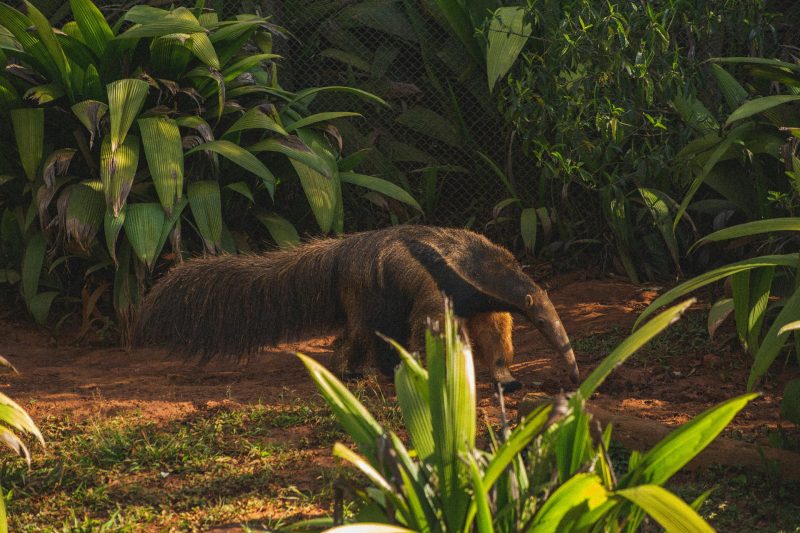
Since the extinction of non-avian dinosaurs 66 million years ago, mammals have independently evolved specialized adaptations for feeding on ants and termites at least 12 times. This finding, published in Evolution by researchers at the University of Bonn, highlights the profound influence of social insects on mammalian evolution.
In the rainforests of Central and South America, the combined biomass of ants and termites exceeds that of all other insects, mammals, amphibians, and birds. Globally, the biomass of termites alone is estimated to be 10 times greater than that of wild mammals. This abundance has repeatedly driven the evolution of ant-eating traits—such as elongated sticky tongues, reduced dentition, and powerful forelimbs—across diverse mammalian lineages.
Analyzing dietary data from nearly 4,100 mammal species, the team found that ant and termite specialization emerged multiple times after the Cretaceous–Paleogene boundary, spanning three major mammal groups, including marsupials and egg-laying monotremes.
This pattern is a striking example of convergent evolution, akin to "carcinization" in crustaceans, where crab-like forms evolved independently multiple times. Yet the pace is remarkable: while crustaceans have undergone carcinization five times over hundreds of millions of years, mammals have developed myrmecophagy at least 12 times in just 66 million years. The shift also appears largely irreversible—only the short-eared elephant shrew is known to have abandoned its ant-eating diet.
The rise of myrmecophagy likely coincided with a post-dinosaur surge in ants and termites, whose ecological dominance grew from roughly 1% to 45% of insect biomass, possibly driven by the spread of flowering plants. At the same time, termites evolved large, stable colonies, providing a dependable food source for specialized predators.
This evolutionary pressure may also have shaped the insects themselves. In response to mammalian predation, ants and termites may have evolved larger colony sizes or enhanced defense mechanisms. The study suggests that evolution continues to push mammals toward ant and termite specialization, indicating that these social insects will face ongoing survival challenges well into the future.
Mammals Have Evolved Ant- and Termite-Eating Adaptations at Least 12 Times Since Dinosaur Extinction
Tags
A 97-million-year-old sea turtle fossil unearthed in Lebanon is reshaping scientists' understanding of how turtles adapted to life in the ocean. The study, published in iScience, a journal under Cell,…
Tens of millions of years before humans developed agriculture, termites had already evolved advanced farming systems—cultivating fungi inside their nests as a primary food source. Much like human farmers, these…
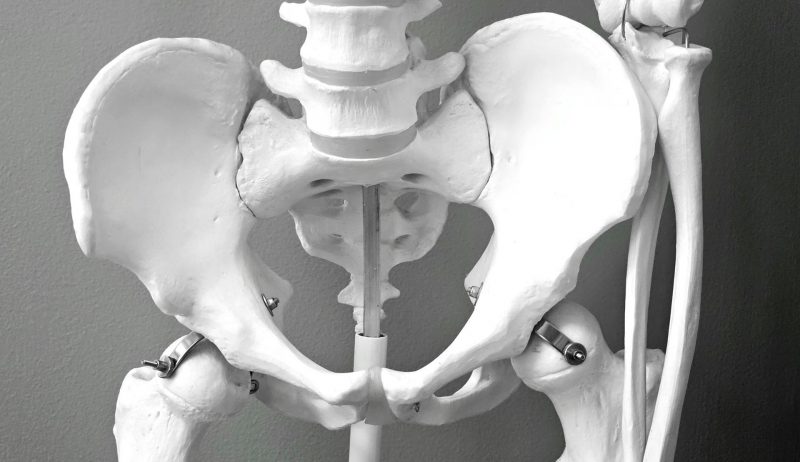
Although all vertebrates possess a pelvis, only humans have evolved a structure optimized for efficient, long-distance bipedal locomotion. This evolutionary transformation took over five million years, yet the precise developmental…
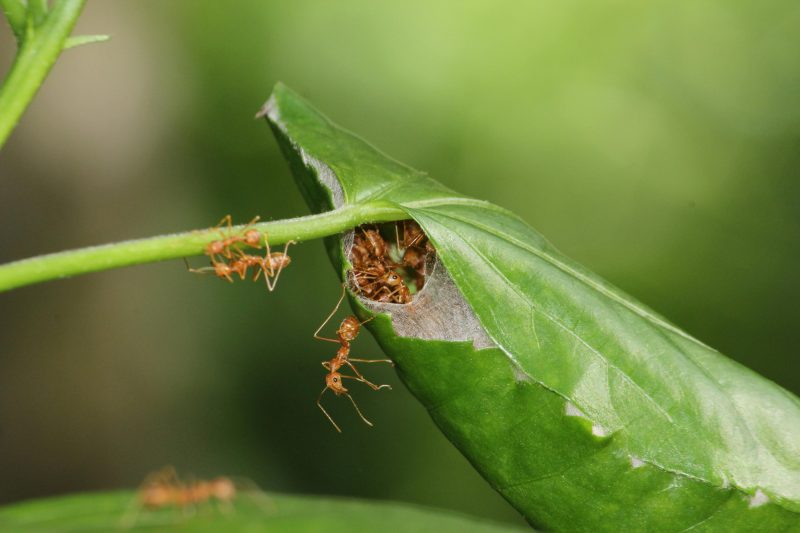
From the African tropics to the South Pacific, weaver ants build intricate multi-layered nests by bending and binding living leaves. A new study reveals that when working together, these ants…
MIT Boosts Key Photosynthesis Enzyme Efficiency by 25%, Paving Way for Higher Crop Yields
A research team at the Massachusetts Institute of Technology (MIT) has significantly enhanced the efficiency of Rubisco, a crucial enzyme in photosynthesis, using an advanced technique known as continuous directed…