A research team at the Massachusetts Institute of Technology (MIT) has significantly enhanced the efficiency of Rubisco, a crucial enzyme in photosynthesis, using an advanced technique known as continuous directed evolution. The breakthrough improves the enzyme's performance by 25%, offering the potential to accelerate plant growth, improve photosynthetic efficiency, and transform global agricultural productivity.
Rubisco plays a central role in converting carbon dioxide into organic compounds during photosynthesis. However, it is notoriously inefficient and prone to a wasteful side reaction with oxygen, which reduces energy efficiency. Starting with Rubisco from low-oxygen bacteria, the MIT team applied a directed evolution method to identify mutations that dramatically boost catalytic performance. The optimized enzyme performs efficiently even in oxygen-rich environments, minimizing energy loss.
Unlike traditional methods such as error-prone PCR—which are time-consuming and yield low mutation rates—MIT utilized a novel technique called MutaT7, which enables rapid and efficient in vivo mutation and screening. Through six rounds of evolution, the researchers identified three critical mutations that improve Rubisco's preference for carbon dioxide over oxygen, thereby enhancing its carboxylation efficiency.
Since plants can lose up to 30% of solar energy due to Rubisco's oxygenation reaction, this advancement could substantially reduce photorespiratory losses and boost crop yields. The team is now working to apply this approach to plant-derived Rubisco, with the goal of developing high-yield, climate-resilient crop varieties.
MIT Boosts Key Photosynthesis Enzyme Efficiency by 25%, Paving Way for Higher Crop Yields

Tags
A 97-million-year-old sea turtle fossil unearthed in Lebanon is reshaping scientists' understanding of how turtles adapted to life in the ocean. The study, published in iScience, a journal under Cell,…
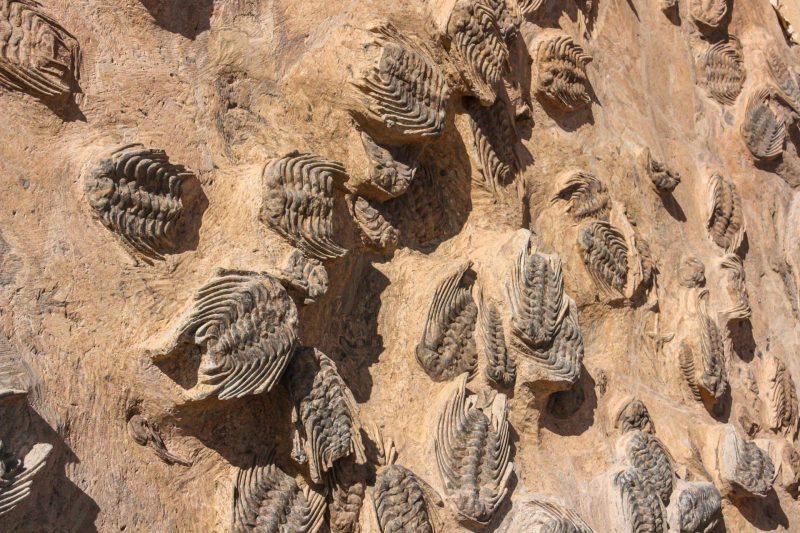
At a joint meeting of the European Planetary Science Congress (EPSC) and the Division for Planetary Sciences (DPS) in Helsinki, scientists from the Space Research Institute of the Austrian Academy…

Proteins are essential for life, but their synthesis relies on RNA and complex molecular machinery such as enzymes and ribosomes. How the very first proteins emerged before these systems evolved…
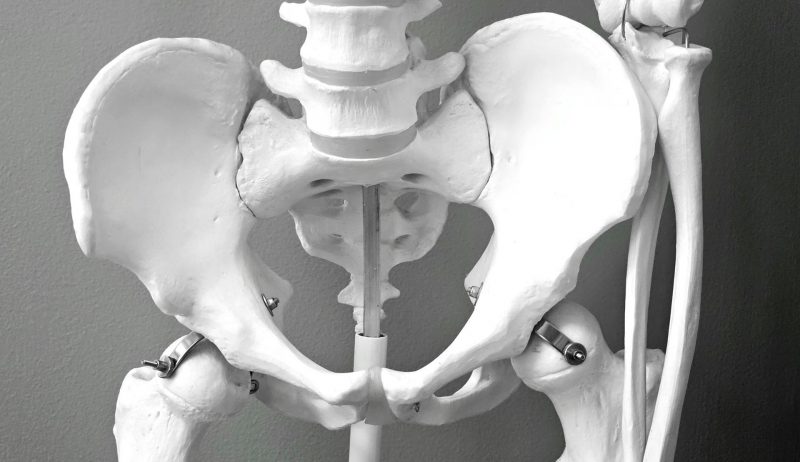
Although all vertebrates possess a pelvis, only humans have evolved a structure optimized for efficient, long-distance bipedal locomotion. This evolutionary transformation took over five million years, yet the precise developmental…
Mammals Have Evolved Ant- and Termite-Eating Adaptations at Least 12 Times Since Dinosaur Extinction
Since the extinction of non-avian dinosaurs 66 million years ago, mammals have independently evolved specialized adaptations for feeding on ants and termites at least 12 times. This finding, published in…

Earth's climate has swung dramatically between extremes of ice and heat throughout its history. In fact, for much of geological time, Earth has been a warm, ice-free planet. During the Cretaceous…