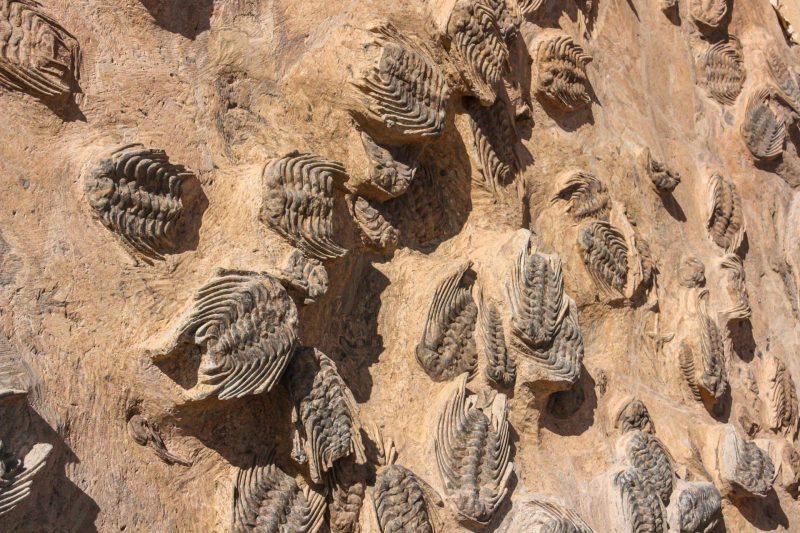
A 97-million-year-old sea turtle fossil unearthed in Lebanon is reshaping scientists' understanding of how turtles adapted to life in the ocean. The study, published in iScience, a journal under Cell, reveals that this ancient turtle had smooth, scaleless flippers — a striking contrast to the scaly limbs seen in most modern marine turtles.
The fossil was discovered in limestone deposits that once formed the seabed of the ancient Tethys Ocean, which separated Africa and Eurasia. Now housed in a private museum in Beirut, the specimen was examined using ultraviolet imaging, allowing researchers to detect soft-tissue traces showing that the limbs were covered with folded but scaleless skin.
To explore the evolutionary significance of this feature, scientists built a turtle family tree incorporating both living and extinct species. Their analysis showed that the loss of scales occurred multiple times across different turtle lineages — a sign of evolutionary flexibility. This repeated adaptation suggests that various turtle groups independently evolved similar traits to thrive in marine environments.
Experts note that the discovery sheds new light on how vertebrates readapted from land to sea, a process requiring deep physiological and behavioral changes. Modern leatherback turtles also lack scales, and the new findings indicate this trait may not be an exception but rather a primitive condition among early sea turtles.
Researchers at Southern Methodist University, who have studied 55-million-year-old turtle fossils, reached similar conclusions. Still, scientists point out that other marine reptiles of the same era, such as mosasaurs, retained scaly skin — as do most living sea turtles — underscoring the diverse evolutionary routes to ocean life.
Ancient Turtle Fossil from Lebanon Challenges Long-Held Views on Sea Turtle Evolution
Tags
A new study led by the University of Reading challenges long-held assumptions about primate origins. For decades, scientists believed primates, including humans, emerged from warm, humid tropical forests. However, reanalysis…

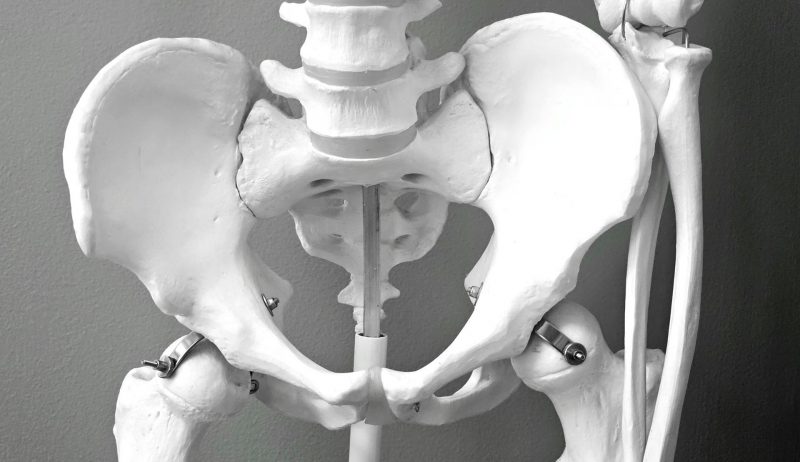
Although all vertebrates possess a pelvis, only humans have evolved a structure optimized for efficient, long-distance bipedal locomotion. This evolutionary transformation took over five million years, yet the precise developmental…
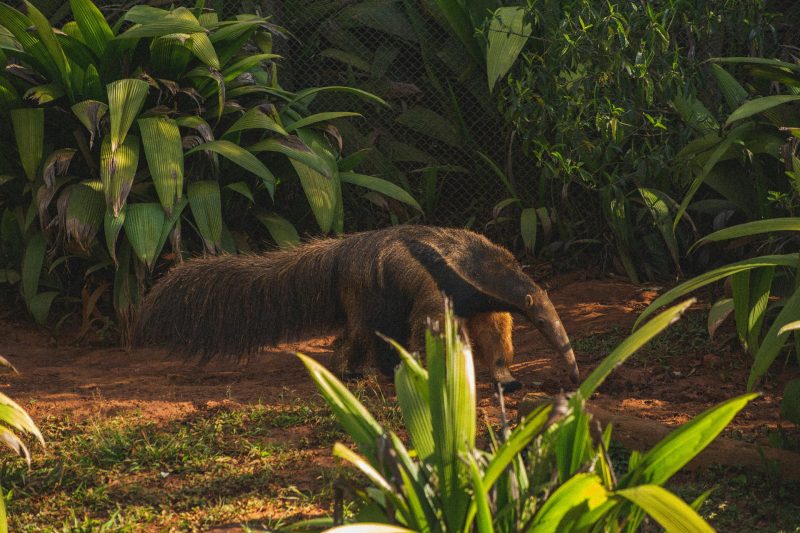
Mammals Have Evolved Ant- and Termite-Eating Adaptations at Least 12 Times Since Dinosaur Extinction
Since the extinction of non-avian dinosaurs 66 million years ago, mammals have independently evolved specialized adaptations for feeding on ants and termites at least 12 times. This finding, published in…
MIT Boosts Key Photosynthesis Enzyme Efficiency by 25%, Paving Way for Higher Crop Yields
A research team at the Massachusetts Institute of Technology (MIT) has significantly enhanced the efficiency of Rubisco, a crucial enzyme in photosynthesis, using an advanced technique known as continuous directed…

Scientists have discovered a more than one-billion-year-old asteroid impact structure in the “Dome of the Arctic” region of northwestern Australia. Hidden within volcanic breccia dating back 3.47 billion years, this…