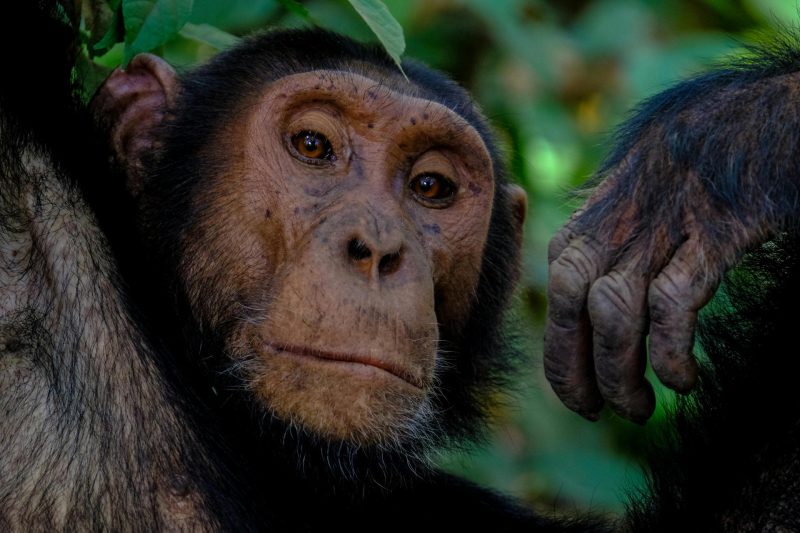
For humans, our performances can improve or worsen when observed by an audience. In a recent report published in the iScience sub-journal of Cell by researchers at Kyoto University in Japan, it was revealed that the performance of chimpanzees completing computer tasks is also influenced by the number of viewers. The findings suggest that this "audience effect" predates reputation-based human societal development.
We naturally pay attention to who is watching us, sometimes subconsciously, impacting how we perform. Researchers sought to determine if the audience effect, typically considered unique to humans, also exists in non-human primates.
While chimpanzees live in hierarchical societies, the extent to which they are influenced by human observation remains unclear. Over six years, researchers analyzed thousands of touchscreen task completions by chimpanzees, leading to significant conclusions.
In three distinct numerical tasks, chimpanzees performed better in the most challenging task, correlating with an increased number of experimenters observing them. Conversely, for the simplest tasks, chimpanzees performed worse when observed by more experimenters or familiar individuals.
The researchers highlight that the specific mechanisms behind these audience-related effects remain unclear, a mystery that persists even in human studies. They suggest that further research on non-human primates could provide insights into the evolutionary processes and reasons behind this trait's development.
Tags
A 97-million-year-old sea turtle fossil unearthed in Lebanon is reshaping scientists' understanding of how turtles adapted to life in the ocean. The study, published in iScience, a journal under Cell,…

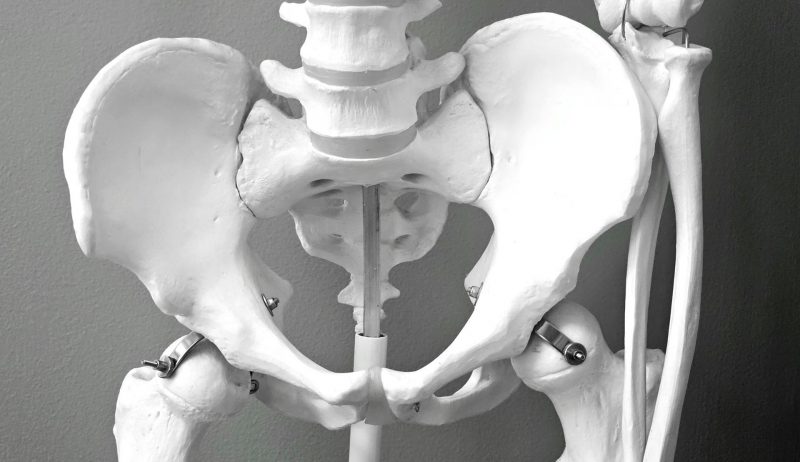
Although all vertebrates possess a pelvis, only humans have evolved a structure optimized for efficient, long-distance bipedal locomotion. This evolutionary transformation took over five million years, yet the precise developmental…
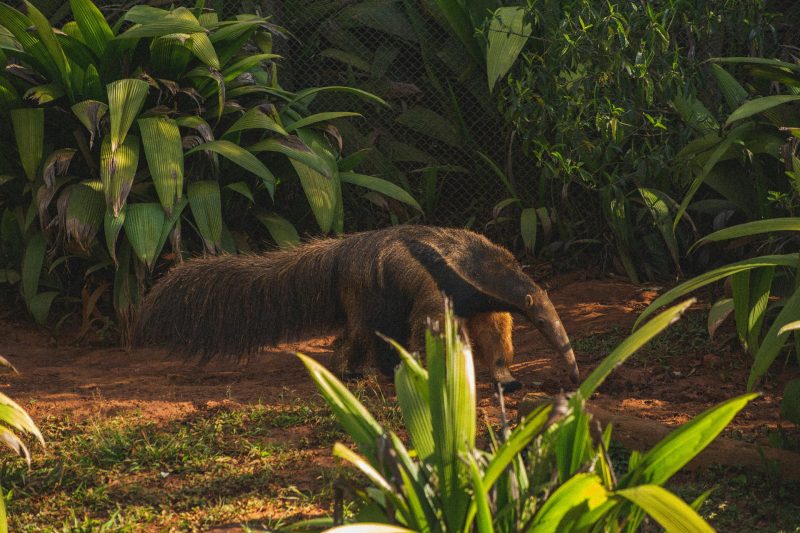
Mammals Have Evolved Ant- and Termite-Eating Adaptations at Least 12 Times Since Dinosaur Extinction
Since the extinction of non-avian dinosaurs 66 million years ago, mammals have independently evolved specialized adaptations for feeding on ants and termites at least 12 times. This finding, published in…
MIT Boosts Key Photosynthesis Enzyme Efficiency by 25%, Paving Way for Higher Crop Yields
A research team at the Massachusetts Institute of Technology (MIT) has significantly enhanced the efficiency of Rubisco, a crucial enzyme in photosynthesis, using an advanced technique known as continuous directed…

A new study has found that two soil-dwelling nematode species—Caenorhabditis elegans and Caenorhabditis briggsae—despite diverging from a common ancestor over 20 million years ago, still exhibit remarkably similar patterns of…
A groundbreaking study has revealed that the differences between humans and other primates extend beyond intelligence to include emotional and social cognitive abilities. By comparing brain scans of humans, chimpanzees,…