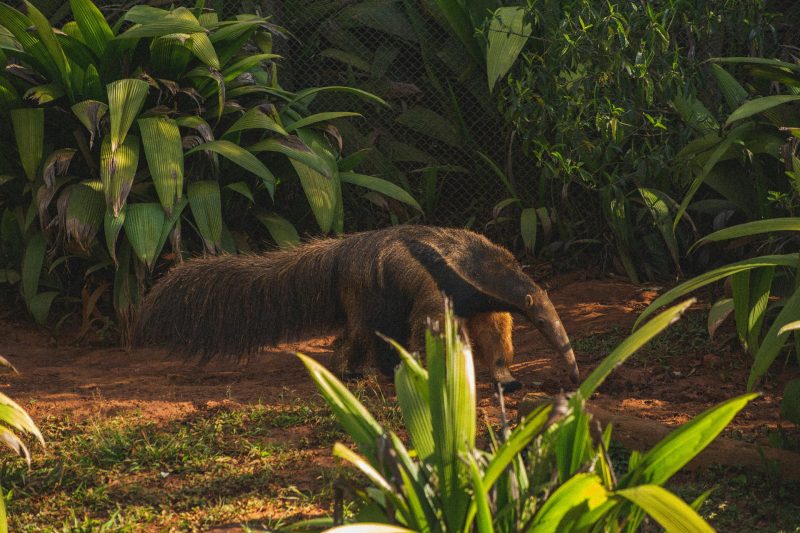
A new study from Imperial College London reveals that by protecting just 0.7% of the world's land area, it is possible to aid in the conservation of one-third of endangered and uniquely distinct quadruped species globally. This research was published in Nature Communications.
The study emphasizes that focusing conservation efforts on regions with rich biodiversity that are home to evolutionarily distinct and globally endangered species can yield significant results in species preservation. However, among the areas identified in the study, only 20% currently benefit from some level of protection, with the majority still facing ongoing pressures from human activities.
The research identifies key conservation areas with ancient evolutionary histories that are under threat, where there is a concentration of Evolutionarily Distinct and Globally Endangered (EDGE) species. Evolutionary distinctiveness measures a species' unique evolutionary position, with some species having long evolutionary histories and no close relatives, while global endangerment assesses the risk of extinction that a species faces. Species with high scores are referred to as EDGE species, and the regions where they are highly concentrated are known as EDGE regions.
The study maps the distribution of nearly 3,000 EDGE species, identifying 25 EDGE regions that encompass Southeast Asia, the Indo-Gangetic Plain, the Amazon Basin, the Atlantic Forest, Hispaniola Island, the Cameroon Highlands, and the Eastern Arc Mountains in East Africa, among others. The implementation of conservation efforts in these regions could have a profound impact.
Furthermore, the research highlights that the vast majority of EDGE regions are facing significant human disturbances, with many countries in these areas also grappling with challenges related to education, health, and living standards.
Mapping EDGE Regions: A Blueprint for Biodiversity Preservation

Tags
A 97-million-year-old sea turtle fossil unearthed in Lebanon is reshaping scientists' understanding of how turtles adapted to life in the ocean. The study, published in iScience, a journal under Cell,…
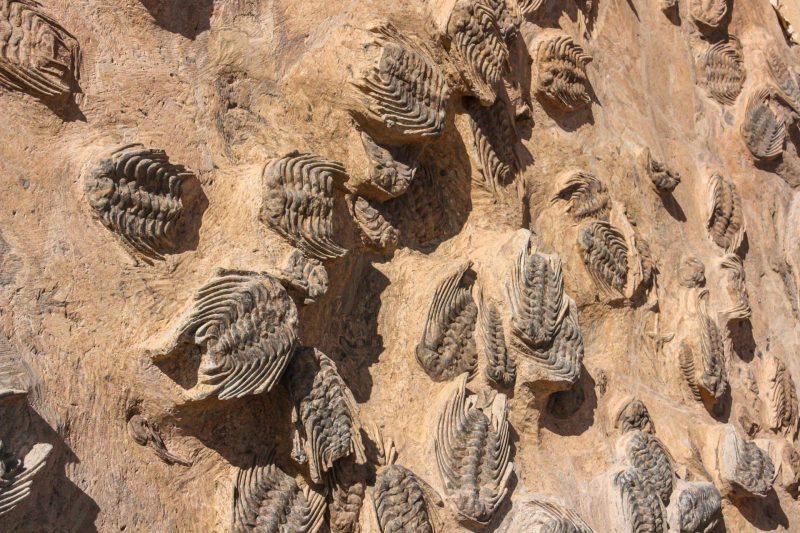
Artificial intelligence (AI) is increasingly helping scientists decode how animals communicate and explore the possibility of dialogue across species. Recent studies show that species such as bonobos, chimpanzees, Japanese tits,…

The scientific community remains divided on whether Earth is currently undergoing a sixth mass extinction. A new study, published in PLOS Biology, analyzed extinction data from the International Union for…

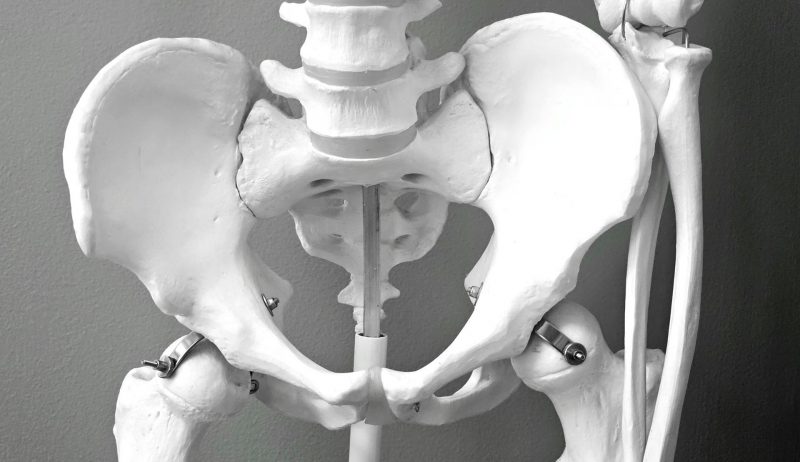
Although all vertebrates possess a pelvis, only humans have evolved a structure optimized for efficient, long-distance bipedal locomotion. This evolutionary transformation took over five million years, yet the precise developmental…
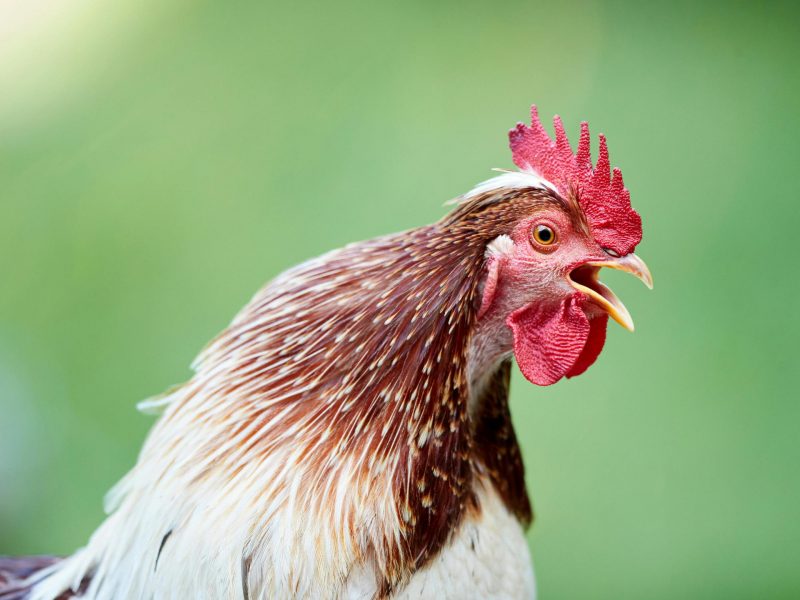
Widespread Sex Reversal Found in Wild Birds Challenges Traditional Gender Identification
Many bird species display striking physical traits that distinguish males from females, such as the rooster's comb or the peacock's tail feathers. However, in species where the sexes look alike,…
Mammals Have Evolved Ant- and Termite-Eating Adaptations at Least 12 Times Since Dinosaur Extinction
Since the extinction of non-avian dinosaurs 66 million years ago, mammals have independently evolved specialized adaptations for feeding on ants and termites at least 12 times. This finding, published in…