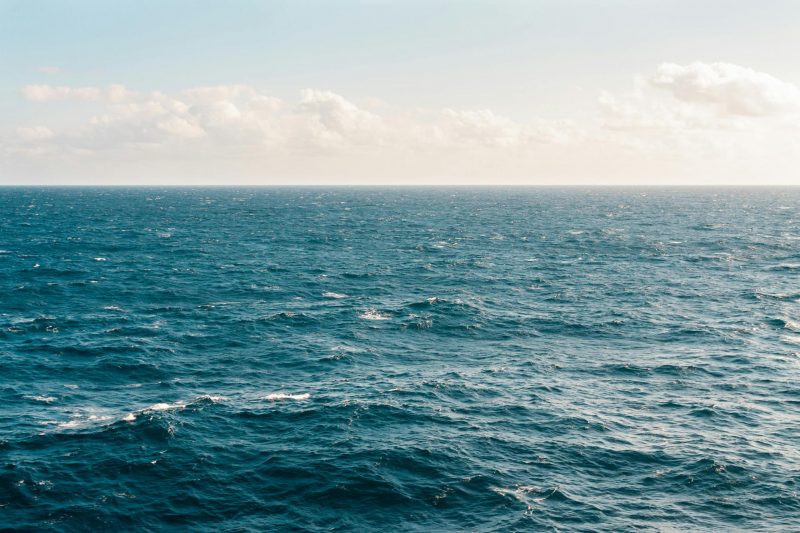
Water pressure is a powerful force in the underwater world and it can pose a serious danger to humans and other creatures.
At sea level, the pressure on the human body is around 14.8 pounds per square inch. However, as you descend deeper into the ocean, the pressure increases rapidly at a rate of approximately one atmosphere for every 10 meters of depth. For example, at a depth of just 32 feet, the water pressure is equivalent to the weight of the entire atmosphere. At a depth of 66 feet, the pressure is equivalent to two atmospheres, and so on.
This increase in pressure can cause serious problems for humans, particularly with air-filled spaces in the body like the lungs, sinuses, and ears. As the pressure increases, air can be forced into the bloodstream, which can lead to decompression sickness or other dangerous conditions. In addition, the lungs will shrink in size as the pressure increases, making it more difficult to breathe.
It's important to note that water is around 800 times denser than air, meaning that it can exert much greater pressure on objects in the water. This is why structures like submarines and underwater tunnels need to be built with materials that can withstand the enormous pressure at great depths.
Understanding water pressure is important for many fields of science, including oceanography, engineering, and biology. By studying the effects of water pressure on living organisms and man-made structures, scientists can design better equipment and structures that can withstand the forces of the underwater world.

Tags
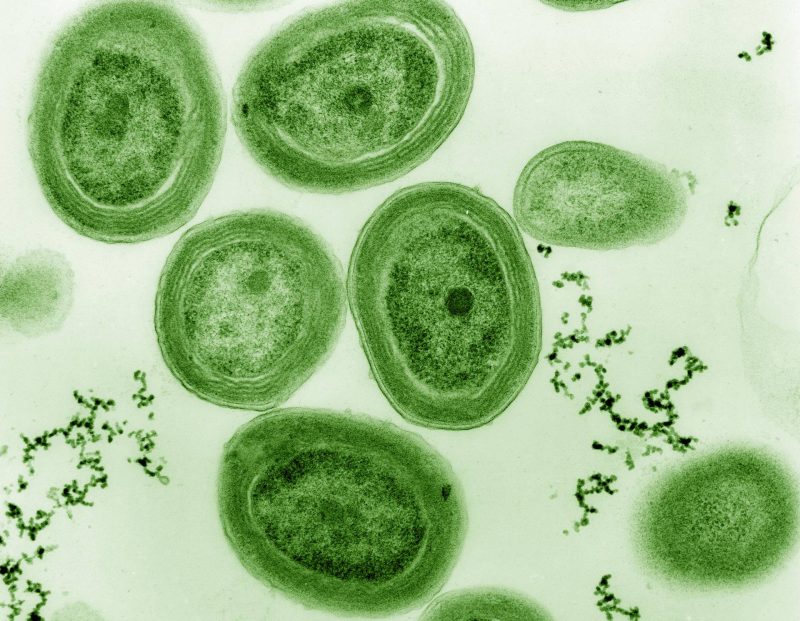
Prochlorococcus, the most abundant microbe in the oceans, is facing a survival crisis due to global warming. This single-celled cyanobacterium, found across more than 75% of the ocean's surface waters,…
A study published in Science Advances reveals that green algae (Dunaliella salina) can grow in translucent bioplastic chambers under simulated Martian conditions—offering a novel approach to building habitable structures on…

A recent study published in Science Advances highlights a striking gap in our understanding of the deep ocean, which covers 66% of Earth's surface. According to the findings, less than…
Managing Underground Pressure May Prevent Volcanic Unrest in Southern Italy, Study Finds
Frequent earthquakes in Italy's Campi Flegrei volcanic region since 2022 have raised safety concerns for hundreds of thousands of residents, particularly around Naples. A new study led by researchers at…

Scientists have successfully induced one of the universe's most inert elements—helium—into forming a new compound. The breakthrough, reported in the latest issue of Physical Review Letters, reveals that helium atoms…

Carbon dioxide (CO₂) emissions from human activities are not only altering the Earth’s atmosphere but are also rapidly acidifying the oceans. A new study published this week in the Proceedings…