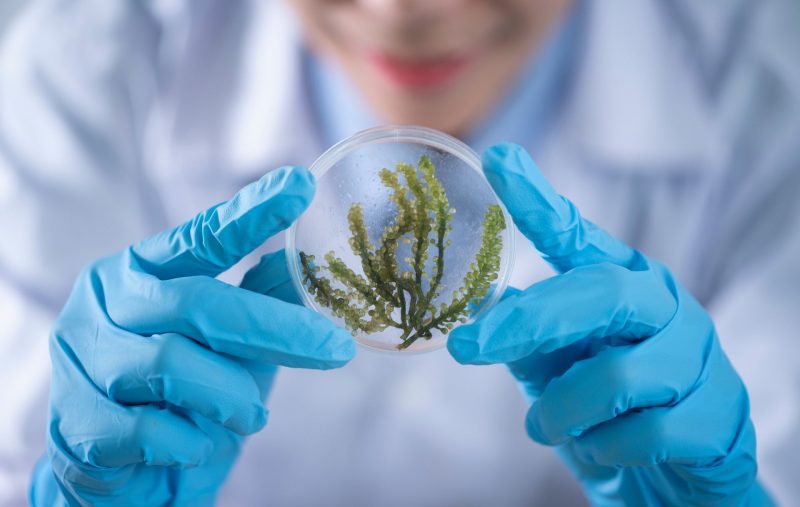
A study published in Science Advances reveals that green algae (Dunaliella salina) can grow in translucent bioplastic chambers under simulated Martian conditions—offering a novel approach to building habitable structures on Mars.
Mars presents an extremely harsh environment, with atmospheric pressure only about 1% of Earth's and little possibility for stable liquid water. Researchers from Harvard University developed specialized containers using 3D-printed polylactic acid (PLA), a biodegradable bioplastic. These dome-shaped chambers maintain internal moisture via pressure gradients, block harmful ultraviolet radiation, and transmit enough light to support photosynthesis.
The required components include a 3D printer, algae cells, and materials already available on Mars—namely ice and carbon dioxide. Compared to sustaining human life, cultivating algae or other photosynthetic organisms is significantly more viable under Martian conditions. The chambers maintain an internal pressure of roughly 4% of Earth's atmosphere—unsuitable for humans but sufficient for plant growth.
The team's earlier work also demonstrated that aerogels can insulate against Mars' frigid temperatures, and future systems might combine aerogels with bioplastics to better mimic Earth-like environments. Diversifying edible plant cultivation will be essential for long-term survival.
This breakthrough represents a major step forward in extraterrestrial life-support technologies. Plants are vital to long-term space habitation, and this system brings humanity closer to achieving self-sustaining life beyond Earth.
Algae Thrive in Mars-Like Conditions Using 3D-Printed Bioplastic Chambers
Tags
Scientists have discovered a more than one-billion-year-old asteroid impact structure in the “Dome of the Arctic” region of northwestern Australia. Hidden within volcanic breccia dating back 3.47 billion years, this…
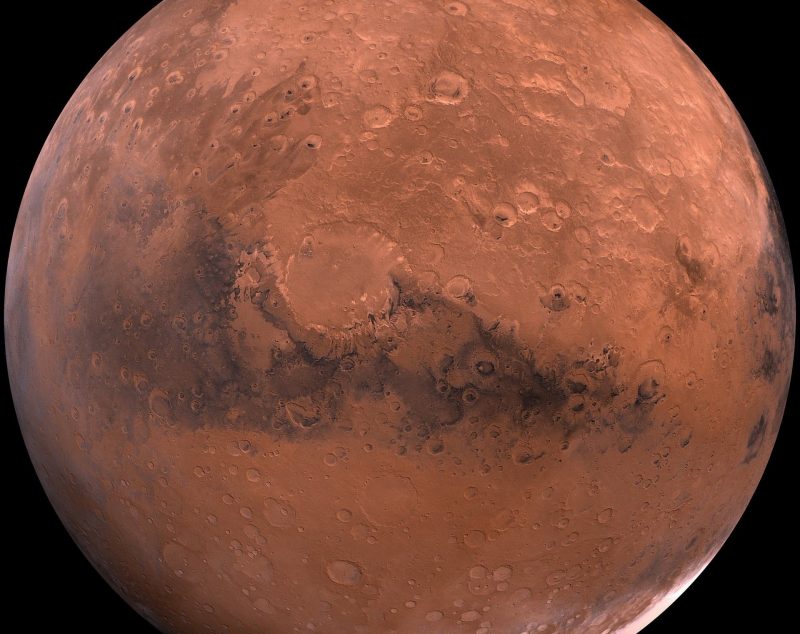
For years, dark streaks observed on the surface of Mars were thought to be potential evidence of liquid water, sparking discussions about the planet's habitability. However, a new study suggests…
Managing Underground Pressure May Prevent Volcanic Unrest in Southern Italy, Study Finds
Frequent earthquakes in Italy's Campi Flegrei volcanic region since 2022 have raised safety concerns for hundreds of thousands of residents, particularly around Naples. A new study led by researchers at…

Scientists have successfully induced one of the universe's most inert elements—helium—into forming a new compound. The breakthrough, reported in the latest issue of Physical Review Letters, reveals that helium atoms…
For years, researchers at the Woods Hole Oceanographic Institution (WHOI) in the United States have been investigating the lifespans of different types of plastics in the ocean, identifying those with…