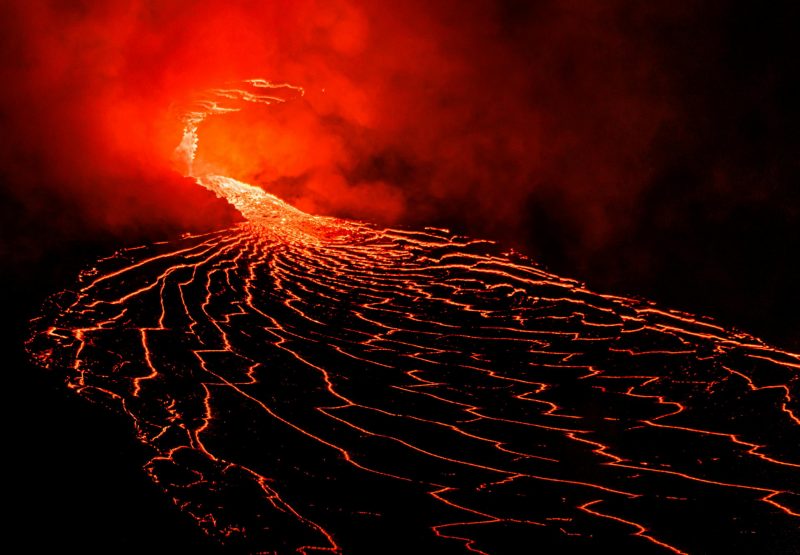
Frequent earthquakes in Italy's Campi Flegrei volcanic region since 2022 have raised safety concerns for hundreds of thousands of residents, particularly around Naples. A new study led by researchers at Stanford University suggests that managing surface water runoff and extracting groundwater to reduce subsurface pressure could help mitigate the region's recurring seismic unrest. The findings were published in the journal Science Advances.
While traditional theories attribute local earthquakes to rising magma or gas, this study points to the buildup of pressure from water and steam trapped beneath a sealed caprock layer as the primary driver. Analyzing data from two major unrest periods—1982–1984 and 2011–2024—researchers found that earthquakes originated around 1.6 km below the surface and deepened over time, a pattern inconsistent with magma-driven activity. Post-quake ground subsidence was also linked to the release of underground water and steam.
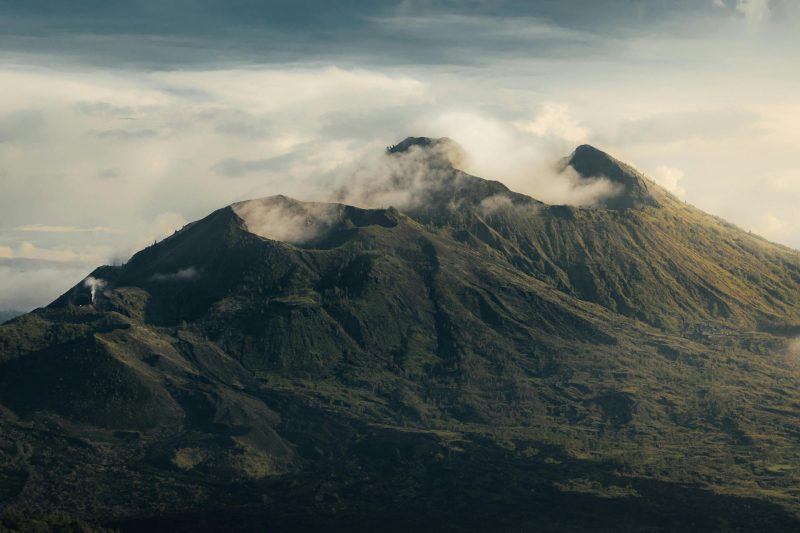
Campi Flegrei is a 13-kilometer-wide caldera with a history of two massive eruptions. Laboratory simulations revealed that fibrous minerals in the caprock can rapidly seal fractures when exposed to hot fluids, forming a pressurized system. Once critical pressure is exceeded, rock failure can cause explosive steam flashes and characteristic rumbling sounds.
The study warns that increased rainfall over the past 24 years may have intensified underground water recharge, raising pressure risks. It recommends proactive measures such as restoring drainage systems, monitoring groundwater levels, and extracting subsurface fluids to relieve pressure. This approach shifts the focus from passive monitoring to active prevention—akin to "geological preventive medicine"—offering policymakers a novel strategy for disaster mitigation.
Managing Underground Pressure May Prevent Volcanic Unrest in Southern Italy, Study Finds
Tags
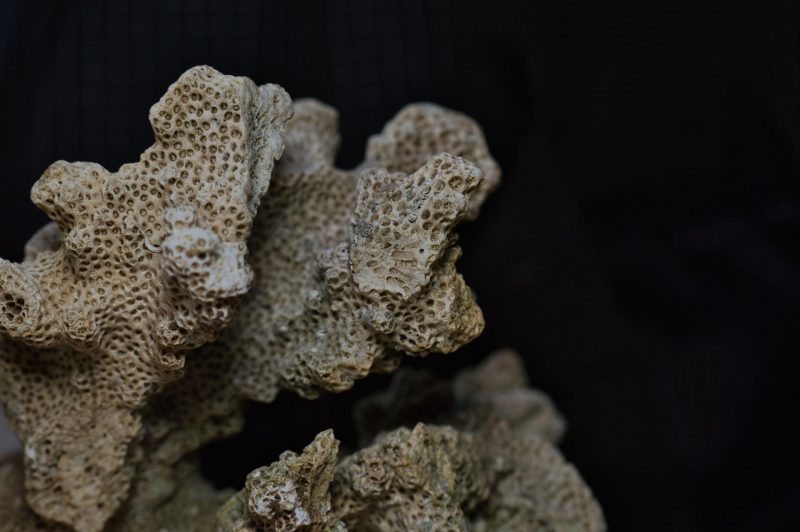
Scientists have discovered hundreds of massive coral boulders scattered inland on Anegada Island in the British Virgin Islands—evidence of a catastrophic tsunami that struck in the late 14th century. The…
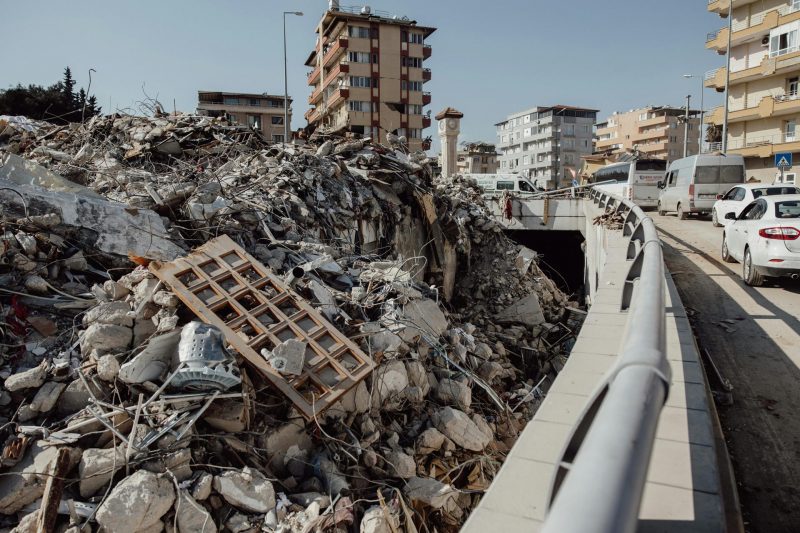
When earthquakes strike, the ground shaking people feel accounts for only a small fraction of the total energy released. Researchers at the Massachusetts Institute of Technology (MIT) have now shown…
Earth's climate has swung dramatically between extremes of ice and heat throughout its history. In fact, for much of geological time, Earth has been a warm, ice-free planet. During the Cretaceous…

A study published in Science Advances reveals that green algae (Dunaliella salina) can grow in translucent bioplastic chambers under simulated Martian conditions—offering a novel approach to building habitable structures on…

Climate change is not only intensifying droughts, heatwaves, and storm surges but may also be increasing the risk of earthquakes through accelerated glacier melt. A research team from ETH Zurich…
Core Leak? Study Suggests Earth's Core Material May Be Reaching the Surface via Volcanoes
A groundbreaking study from the University of Göttingen challenges long-held assumptions about Earth's internal structure, suggesting that material from the planet's core may be leaking to the surface through volcanic…