fossil
A 97-million-year-old sea turtle fossil unearthed in Lebanon is reshaping scientists' understanding of how turtles adapted to life in the ocean. The study, published in iScience, a journal under Cell,…
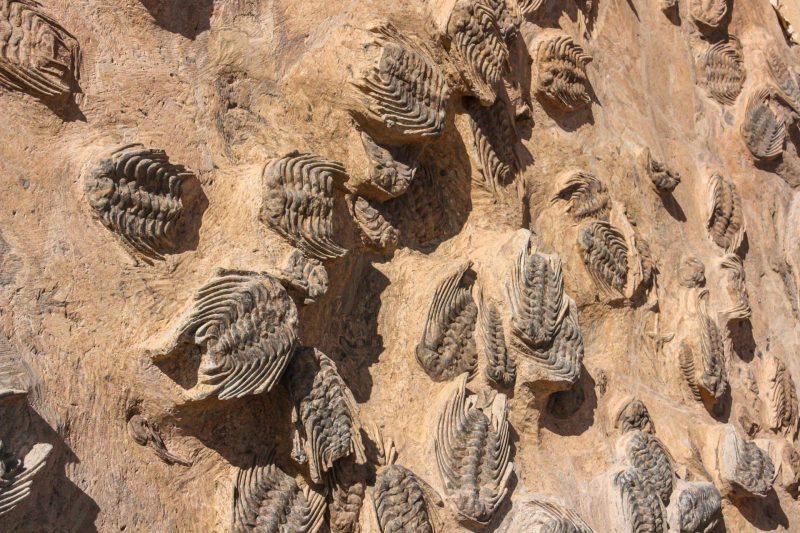
A new study led by the University of Reading challenges long-held assumptions about primate origins. For decades, scientists believed primates, including humans, emerged from warm, humid tropical forests. However, reanalysis…

Scientists have discovered a more than one-billion-year-old asteroid impact structure in the “Dome of the Arctic” region of northwestern Australia. Hidden within volcanic breccia dating back 3.47 billion years, this…
In a significant paleoanthropological discovery, researchers have recovered fossils of Homo erectus—an extinct close relative of modern humans—from the seabed of a Southeast Asian construction site. The findings, published in…

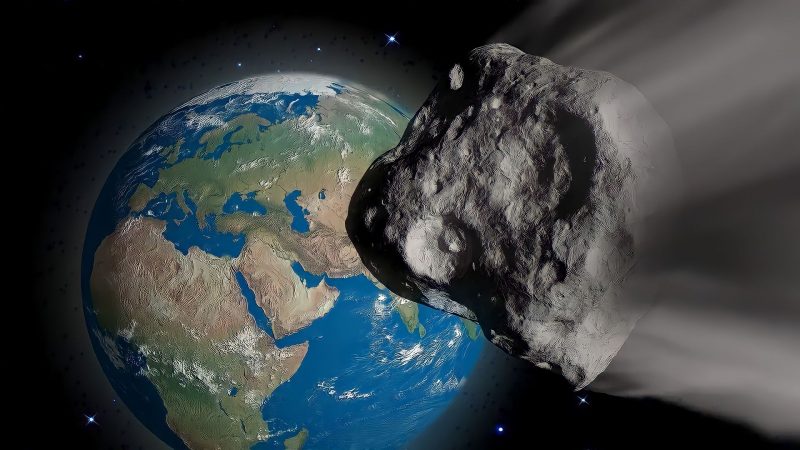
UCL Study Challenges Extinction Narrative: Dinosaurs May Have Thrived Until Asteroid Impact
A new study led by researchers at University College London (UCL) offers a fresh perspective on dinosaur extinction, suggesting that dinosaurs were not in decline prior to the asteroid impact…

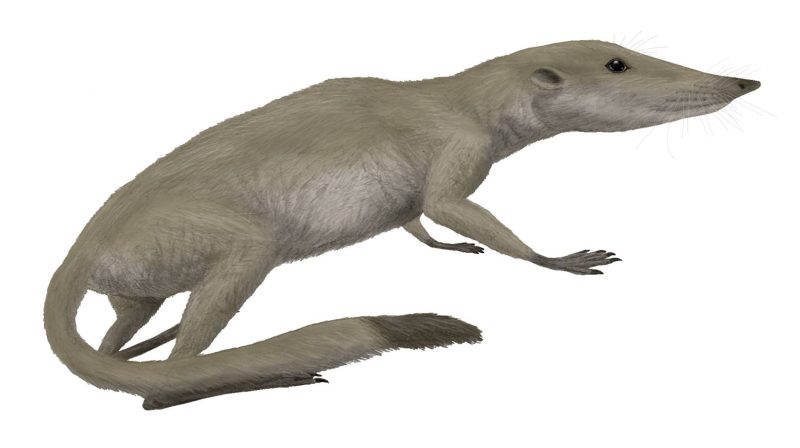
Scientists have long known that many dinosaurs sported brightly colored feathers. Now, a new study has shed light on the fur coloration of early mammals that once lived alongside them.…
New Fossil Discoveries in South America Challenge Traditional Megafauna Extinction Timelines
Traditional views have long held that ancient megafauna—such as ground sloths—vanished by approximately 11,000 years ago, marking the early Holocene. However, recent fossil discoveries are challenging this narrative. For example,…
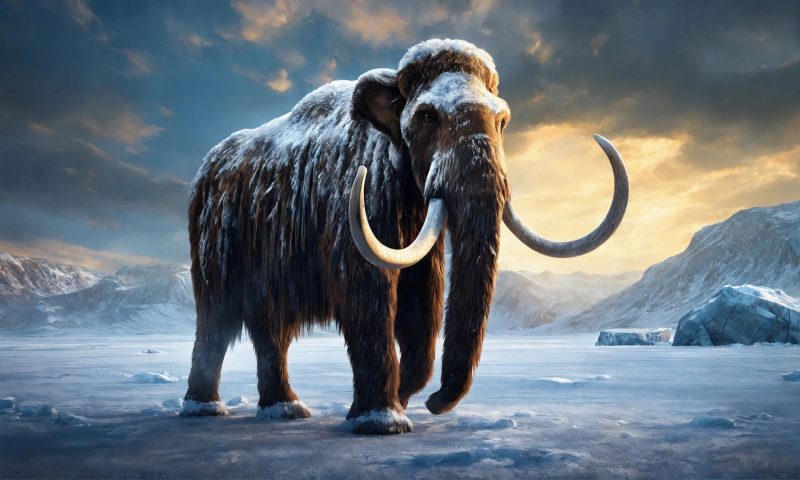
Ancient Fossils in Angola Reveal the Formation of the South Atlantic and the Separation of South America
For a long time, it has been known that the west coast of Africa and the east coast of South America were once closely connected within the Gondwana supercontinent, much…

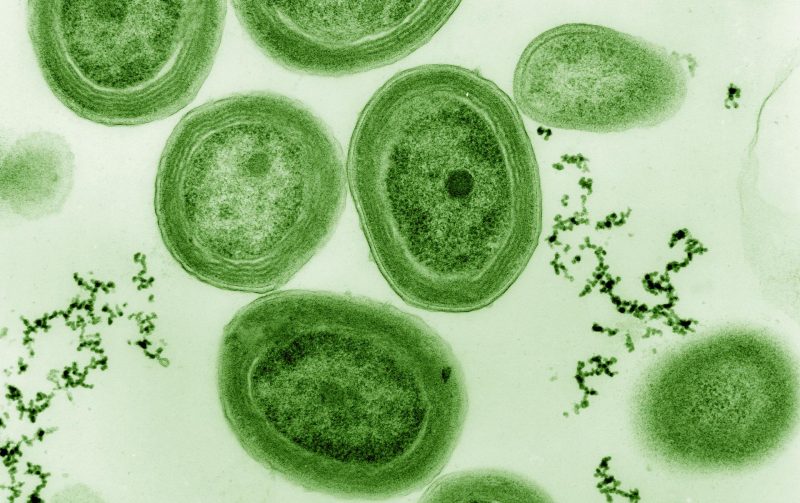
A team of Belgian scientists recently made a significant discovery regarding the oldest evidence of photosynthesis. These scientists found microfossils dating back 1.75 billion years that provide valuable insights into…