For a long time, it has been known that the west coast of Africa and the east coast of South America were once closely connected within the Gondwana supercontinent, much like two pieces of a puzzle. Recently, a research team led by Southern Methodist University (SMU) in the United States announced that ancient rocks and fossils of long-extinct marine reptiles discovered in Angola provide clear evidence of the separation of South America and Africa, as well as the formation of the South Atlantic, marking a pivotal moment in Earth's history.
The research team stated that their excavation work along the southern coast of Angola has possibly provided the most comprehensive geological record to date of the separation of the two continents and the opening of the South Atlantic on land. The rocks and fossils they uncovered date back from 130 million years ago to 71 million years ago.
The on-site work of the research team began in 2005 in Namibe Province, Angola. At that time, they identified specific types of sediments indicating the ancient geography of the west coast of Africa millions of years ago. For instance, lava flows revealed evidence of volcanic activity, faults or fractures indicated where the continent was tearing apart, sediment and salt layers showed marine flooding and evaporation, while overlying marine sediments and fossils of marine reptiles demonstrated the complete formation of the South Atlantic.
Simultaneously, paleontologists in Angola unearthed fossils of large marine reptiles from the late Cretaceous period, when the Atlantic was just forming and widening.
Ancient Fossils in Angola Reveal the Formation of the South Atlantic and the Separation of South America

Tags
A 97-million-year-old sea turtle fossil unearthed in Lebanon is reshaping scientists' understanding of how turtles adapted to life in the ocean. The study, published in iScience, a journal under Cell,…
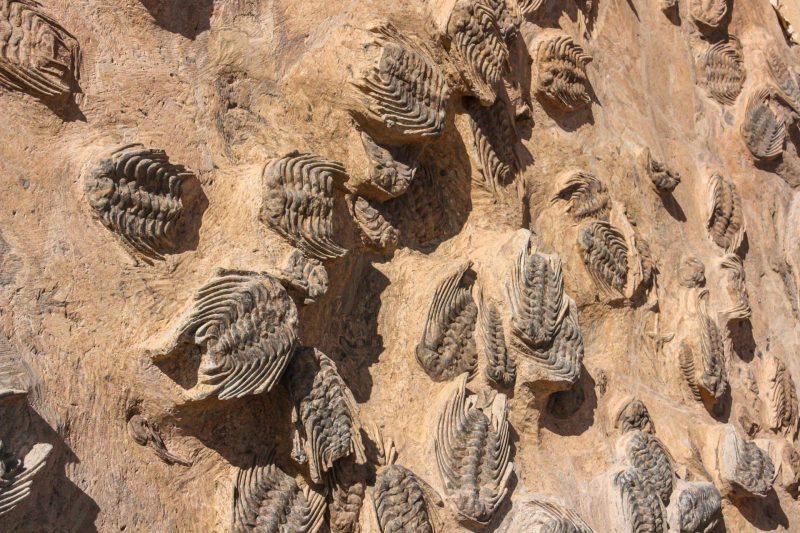
A new study led by the University of Reading challenges long-held assumptions about primate origins. For decades, scientists believed primates, including humans, emerged from warm, humid tropical forests. However, reanalysis…

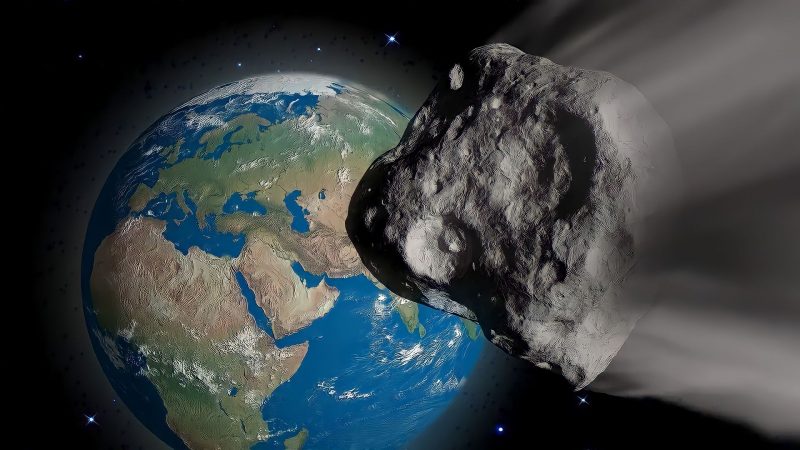
Scientists have discovered a more than one-billion-year-old asteroid impact structure in the “Dome of the Arctic” region of northwestern Australia. Hidden within volcanic breccia dating back 3.47 billion years, this…
In a significant paleoanthropological discovery, researchers have recovered fossils of Homo erectus—an extinct close relative of modern humans—from the seabed of a Southeast Asian construction site. The findings, published in…

UCL Study Challenges Extinction Narrative: Dinosaurs May Have Thrived Until Asteroid Impact
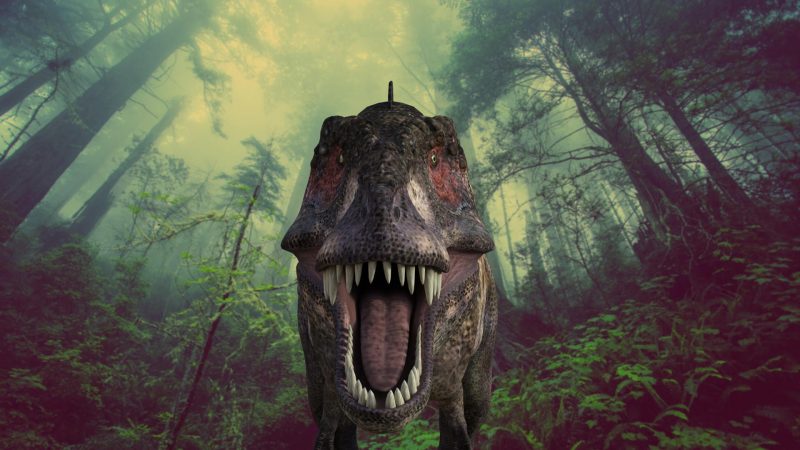
A new study led by researchers at University College London (UCL) offers a fresh perspective on dinosaur extinction, suggesting that dinosaurs were not in decline prior to the asteroid impact…
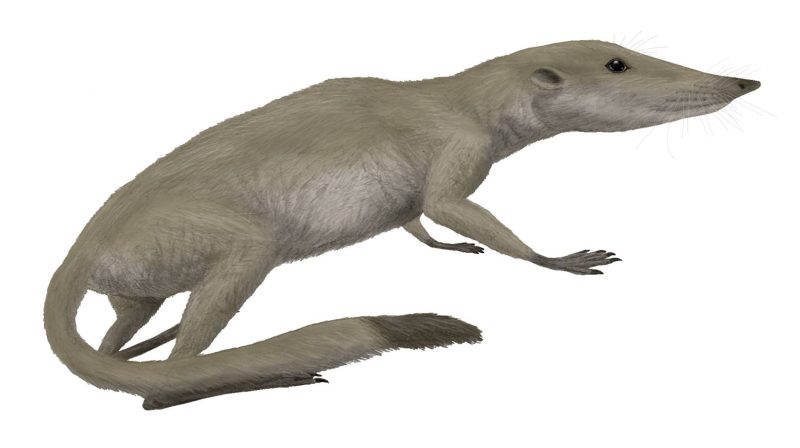
Scientists have long known that many dinosaurs sported brightly colored feathers. Now, a new study has shed light on the fur coloration of early mammals that once lived alongside them.…