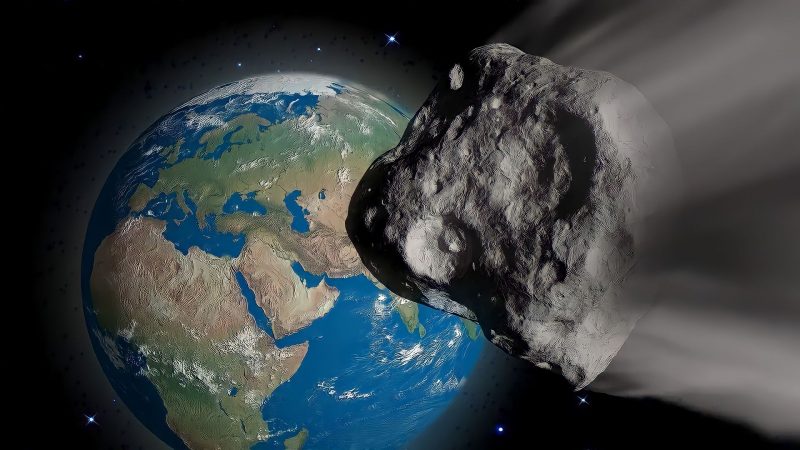
Scientists have discovered a more than one-billion-year-old asteroid impact structure in the “Dome of the Arctic” region of northwestern Australia. Hidden within volcanic breccia dating back 3.47 billion years, this rare geological feature may provide vital insights into the search for ancient life on Mars. The findings were recently published in Science Advances.
The surrounding sandstone hosts some of the oldest known microbial fossils on Earth, formed in ancient hydrothermal pools and shallow marine environments. Given that Mars may have also had liquid water and potential biological activity between 3 and 4 billion years ago, these rocks serve as an ideal analog for studying Martian biosignatures. According to researchers from Yale University, rock alteration on Mars—often caused by meteorite impacts or hydrothermal processes—can obscure or distort possible microbial fossil structures. The newly identified impact site may help scientists better understand how such geological events affect fossil preservation.
Unlike Mars or the Moon, most ancient terrestrial impact craters have been erased by plate tectonics and erosion. The “Miralga Impact Structure” stands out as a rare example of a deeply buried impact feature on Earth. Its shatter cone distribution spans 7 kilometers, indicating that an asteroid 1 to 2 kilometers in diameter once struck the region, forming a crater roughly 16 kilometers wide. Researchers from Curtin University note that the 3.47-billion-year-old basalt contains rare shock-altered titanium minerals, denser than those typically found on the surface. These minerals bear high-pressure signatures from the impact, making the site a valuable archive of early Earth’s impact history.
This discovery offers a new framework for future Mars sample analysis and life detection missions, potentially guiding scientists in identifying biosignatures amid complex geological settings.
Ancient Impact Crater in Australia Offers Clues for Martian Life Detection
Tags
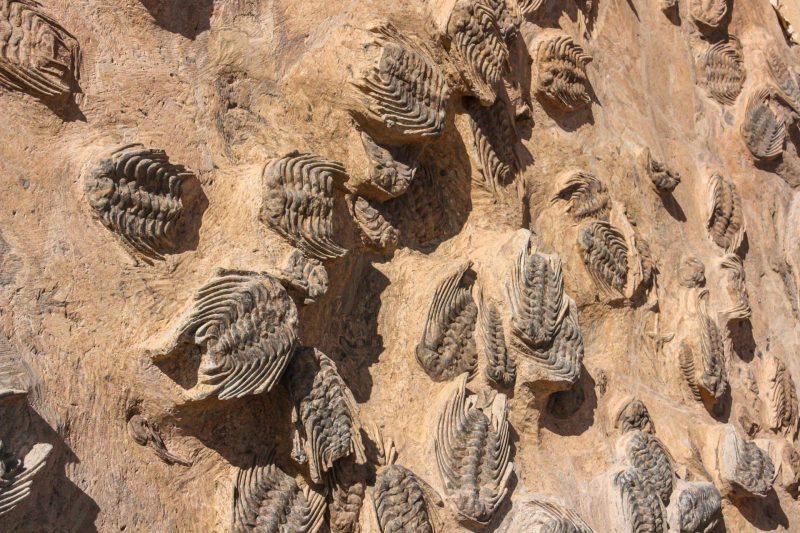
A 97-million-year-old sea turtle fossil unearthed in Lebanon is reshaping scientists' understanding of how turtles adapted to life in the ocean. The study, published in iScience, a journal under Cell,…
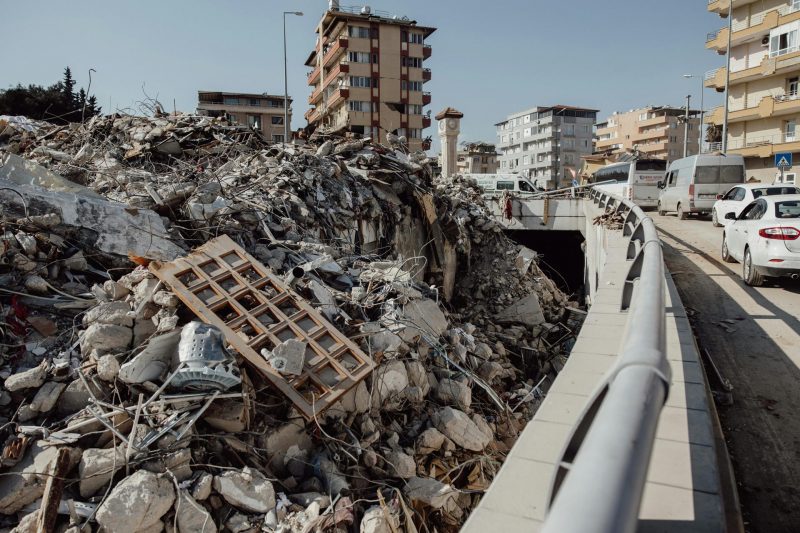
When earthquakes strike, the ground shaking people feel accounts for only a small fraction of the total energy released. Researchers at the Massachusetts Institute of Technology (MIT) have now shown…
A new study led by the University of Reading challenges long-held assumptions about primate origins. For decades, scientists believed primates, including humans, emerged from warm, humid tropical forests. However, reanalysis…
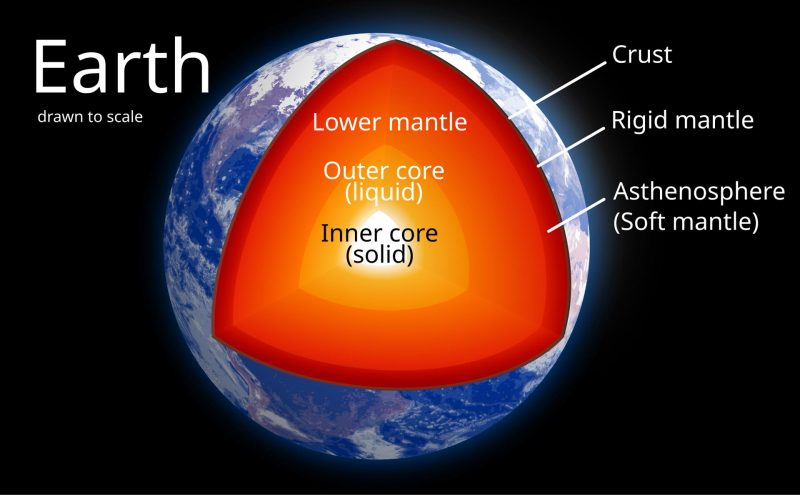
Scientists analyzing satellite data have uncovered a mysterious material disturbance near Earth’s core–mantle boundary that occurred between 2006 and 2008. The anomaly, recently detected by the US–German "Gravity Recovery and…
How did life arise from nothing? A new mathematical study offers a surprising perspective on this ultimate question. Researchers at Imperial College London suggest that the probability of life naturally…
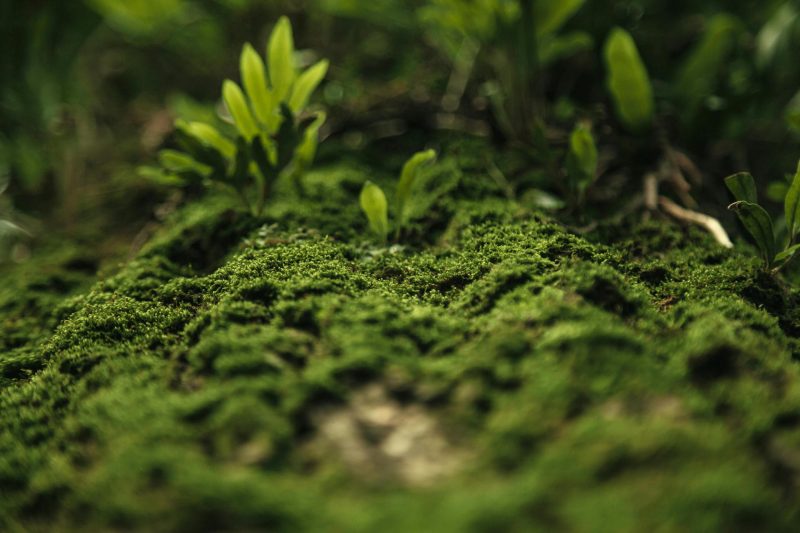
Despite their simple structure, mosses are capable of surviving in some of Earth's most extreme environments, such as Antarctica, deserts, and high mountains. Now, researchers from Hokkaido University in Japan…