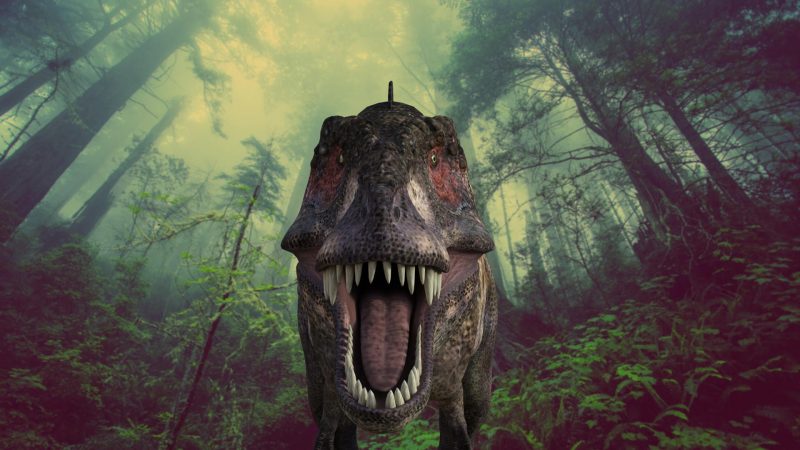
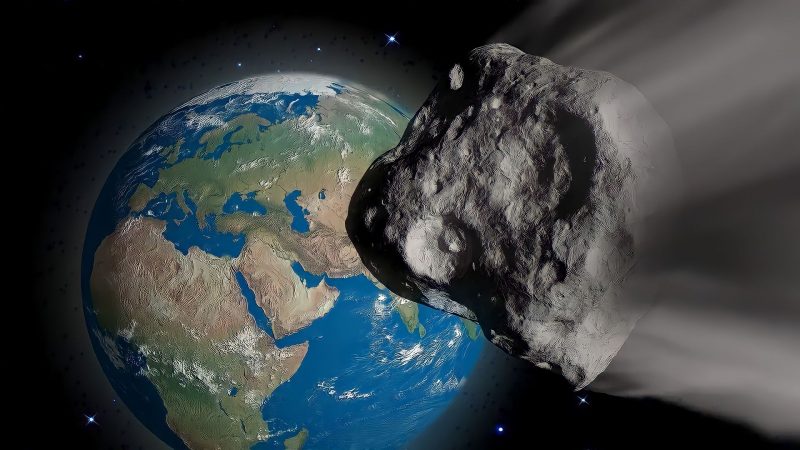
A new study led by researchers at University College London (UCL) offers a fresh perspective on dinosaur extinction, suggesting that dinosaurs were not in decline prior to the asteroid impact 66 million years ago—but may have been thriving. The findings were recently published in the journal Current Biology.
The research team analyzed fossil records from North America dating from the Late Cretaceous period, roughly 84 to 66 million years ago. At first glance, the data appears to show a decline in dinosaur species after a peak around 75 million years ago. However, the researchers argue that this perceived drop may be due more to a decrease in fossil discovery probability than to an actual reduction in dinosaur populations.
One key factor, the study notes, is that the latest Cretaceous rock layers are less exposed at the surface today, making fossil discovery more difficult. Using "occupancy modeling" techniques, the team estimated habitat ranges for four major dinosaur families—Ankylosauridae, Ceratopsidae, Hadrosauridae, and Tyrannosauridae—and found that their potential geographic distribution remained stable, with low extinction risk during the studied period. The decline in fossil detectability, the study concludes, was mainly due to geological factors affecting rock accessibility.
Interestingly, fossil records for ceratopsians, such as Triceratops, actually become more abundant in the later stages of the Cretaceous. Researchers attribute this to retreating inland seas and the spread of grassland environments, which offered better conditions for fossil preservation.
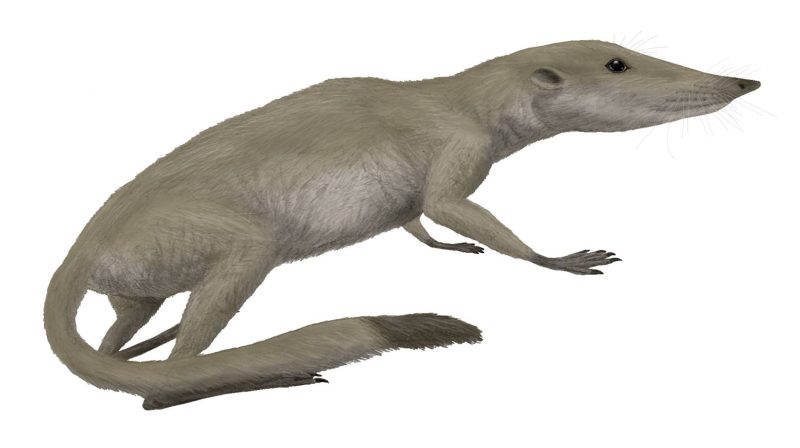
The UCL team cautions against interpreting fossil record trends at face value, emphasizing that apparent declines in diversity may reflect changes in fossilization conditions driven by tectonic shifts and sea level drops. They propose that, if not for the catastrophic asteroid impact, dinosaurs might have continued to coexist with mammals and birds to this day.
UCL Study Challenges Extinction Narrative: Dinosaurs May Have Thrived Until Asteroid Impact
Tags
A 97-million-year-old sea turtle fossil unearthed in Lebanon is reshaping scientists' understanding of how turtles adapted to life in the ocean. The study, published in iScience, a journal under Cell,…
A new study led by the University of Reading challenges long-held assumptions about primate origins. For decades, scientists believed primates, including humans, emerged from warm, humid tropical forests. However, reanalysis…

Scientists have discovered a more than one-billion-year-old asteroid impact structure in the “Dome of the Arctic” region of northwestern Australia. Hidden within volcanic breccia dating back 3.47 billion years, this…
In a significant paleoanthropological discovery, researchers have recovered fossils of Homo erectus—an extinct close relative of modern humans—from the seabed of a Southeast Asian construction site. The findings, published in…

Scientists have long known that many dinosaurs sported brightly colored feathers. Now, a new study has shed light on the fur coloration of early mammals that once lived alongside them.…