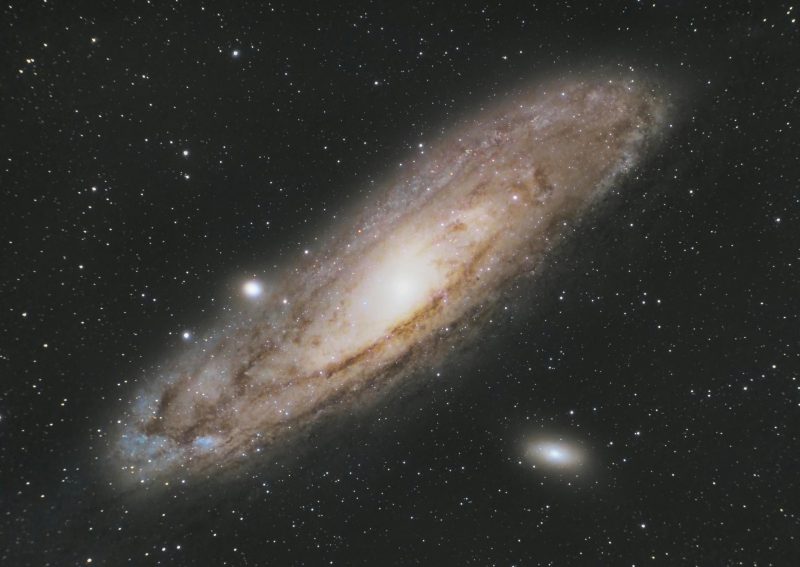
The European Southern Observatory (ESO) has announced a significant discovery: a supermassive black hole at the center of the spiral galaxy NGC 4945 is not only actively consuming matter but also ejecting powerful jets of gas and dust at extraordinary speeds beyond the galaxy itself. This dynamic behavior offers new insights into the profound role black holes play in shaping galaxy evolution.
Located in the constellation Centaurus, about 12 million light-years from Earth, NGC 4945 appears calm from the outside. However, observations reveal intense activity at its core. Unlike the relatively quiescent black hole at the center of the Milky Way, the black hole in NGC 4945 is aggressively accreting material and producing powerful, cone-shaped outflows.
Using the Multi Unit Spectroscopic Explorer (MUSE) instrument on ESO's Very Large Telescope (VLT), astronomers detected jets moving so rapidly they may escape the galaxy entirely, reaching intergalactic space. Remarkably, the study found that instead of slowing down, the jets accelerate as they travel outward, ultimately reaching the galaxy's outer edges at even higher velocities.
These jets carry away gas and dust that could otherwise form new stars, thereby suppressing star formation within the galaxy. Additionally, they deplete the surrounding material needed for the black hole's further growth, helping to establish a dynamic balance that may regulate both the black hole and its host galaxy's evolution.
Supermassive Black Hole in Nearby Galaxy Launches High-Speed Jets into Intergalactic Space
Tags
A mysterious gamma-ray glow at the center of the Milky Way — puzzling scientists for decades—may finally offer the first observational evidence of dark matter. The finding, based on a…
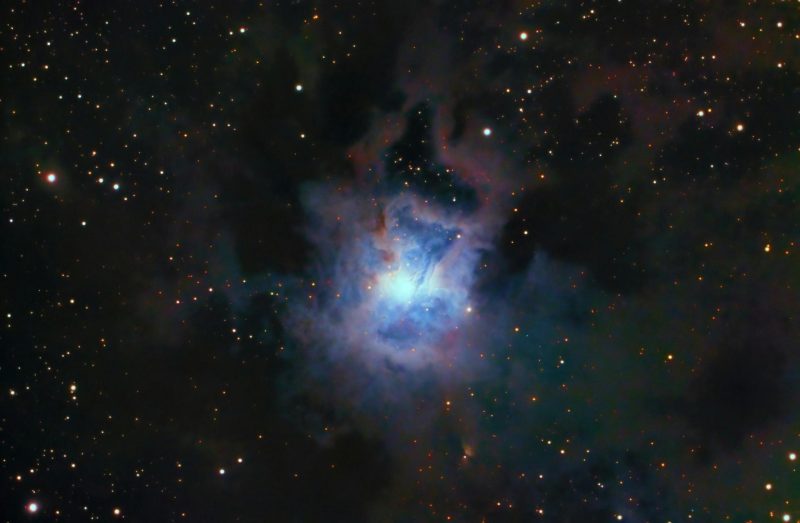
ng data from the MaNGA survey at the Apache Point Observatory, researchers detected this black hole in a dwarf galaxy about 230 million light-years away. Unlike typical supermassive black holes…
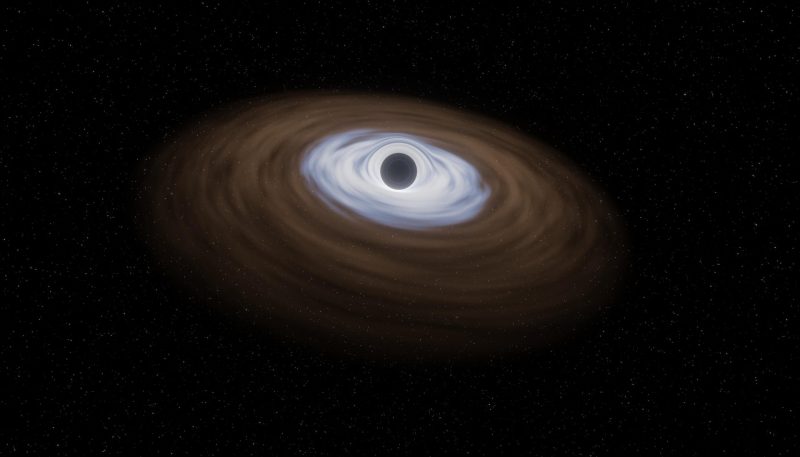
LIGO Detects Record-Breaking Black Hole Merger, Confirming Einstein and Hawking Predictions
Astronomers have detected the strongest gravitational wave signal ever recorded, produced by the collision of two black holes, using the U.S.-based Laser Interferometer Gravitational-Wave Observatory (LIGO). The breakthrough provides the…
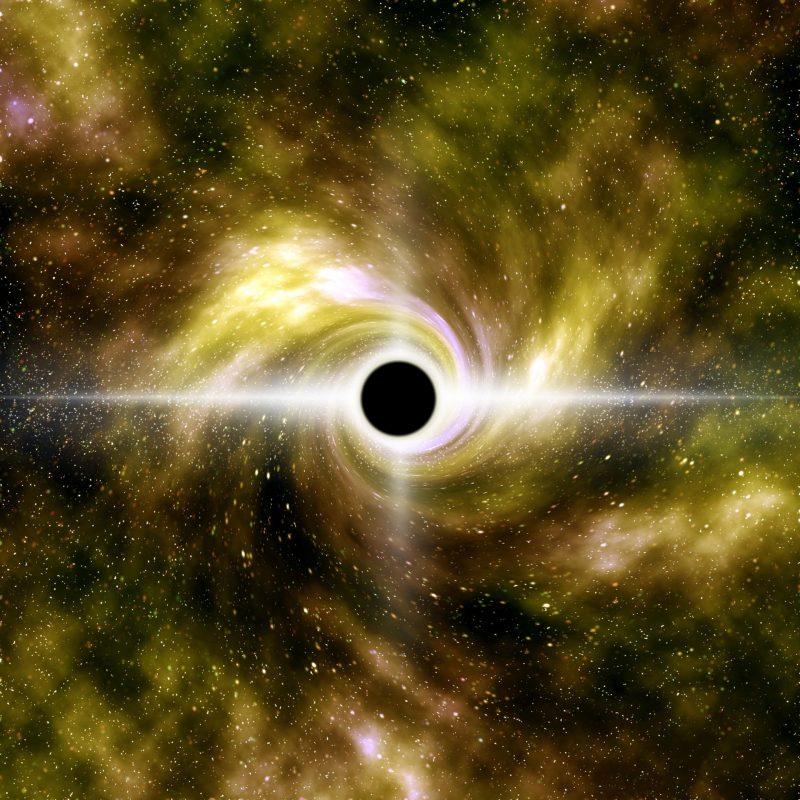
A new study suggests that supermassive black holes could function as natural particle colliders, potentially offering a novel path to detect dark matter and other unknown particles. This discovery may…
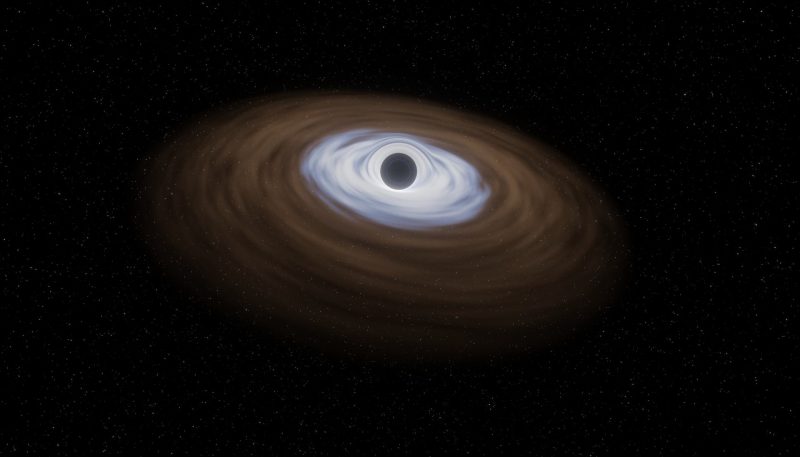
Since its 2022 launch, NASA's James Webb Space Telescope (JWST) has detected hundreds of mysterious “little red dots” in the early universe—objects appearing within the first billion years after the…
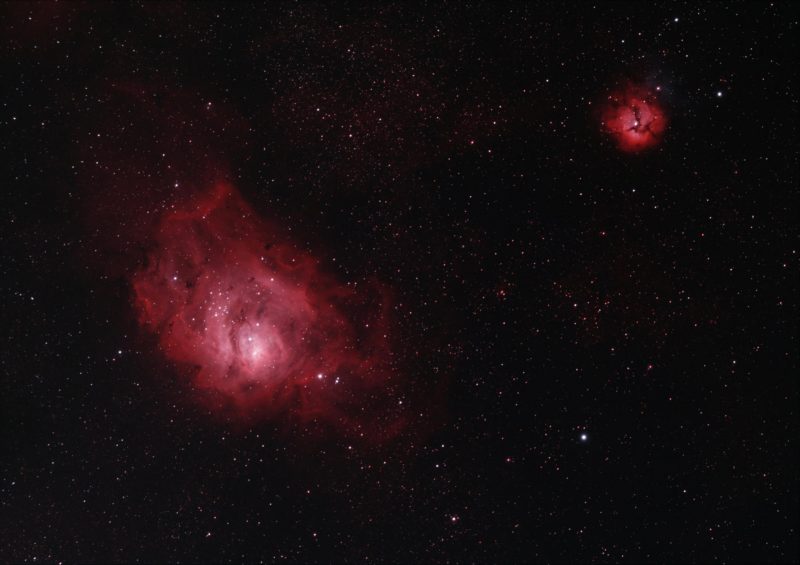
A new study published in Nature Astronomy suggests that the probability of a future collision between the Milky Way and the Andromeda galaxy may be only 50%—significantly lower than previously…