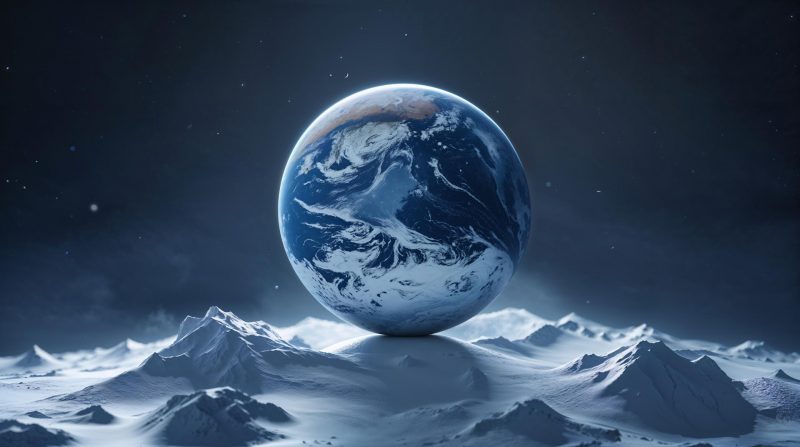
Earth's climate has swung dramatically between extremes of ice and heat throughout its history. In fact, for much of geological time, Earth has been a warm, ice-free planet.
During the Cretaceous period 66 million years ago, the global average temperature reached 36°C, with polar ocean temperatures as high as 27°C—creating a lush environment where dinosaurs thrived. But not all warm periods were so hospitable. At the end of the Permian period 270 million years ago, massive volcanic eruptions triggered a sudden 10°C spike in global temperatures, causing the most catastrophic mass extinction in Earth's history—wiping out 95% of marine species and 70% of terrestrial life.
Earth's long-term climate regulation relies on the “carbon cycle”: carbon dioxide is removed from the atmosphere through rock weathering and returned via volcanic activity. This feedback system helps maintain climatic stability but has at times gone awry. Between 2.4 and 2.1 billion years ago, Earth experienced “Snowball Earth” episodes, where glaciers covered the entire planet and temperatures plummeted to -50°C. Scientists believe photosynthetic microbes may have depleted methane, the dominant greenhouse gas at the time, leading to uncontrollable cooling.
Conversely, at the end of the Permian period 252 million years ago, the Siberian Traps erupted for over a million years, releasing vast amounts of CO₂. This led to a 10°C rise in global temperatures and wiped out nearly all marine life.
Since the Industrial Revolution, human activity has rapidly altered the climate. Atmospheric CO₂ levels have risen from 280 ppm to 426 ppm, driving a 1.47°C increase in global average temperature. If emissions continue unchecked, CO₂ levels could reach 600–1000 ppm by 2100, raising global temperatures by up to 4°C. A similar event occurred 55 million years ago during the Paleocene-Eocene Thermal Maximum (PETM), when Earth's temperature soared by 5–8°C, triggering widespread ecological upheaval.
Looking further ahead, Earth's natural "carbon thermostat" may ultimately fail. In about 500 million years, CO₂ levels may drop below the threshold required to sustain plant life. Around a billion years from now, as the Sun continues to brighten, Earth is expected to enter an irreversible high-temperature phase—posing extreme challenges to the future of life.
Earth's Climate History: From Snowball to Hothouse and the Future Beyond
Tags
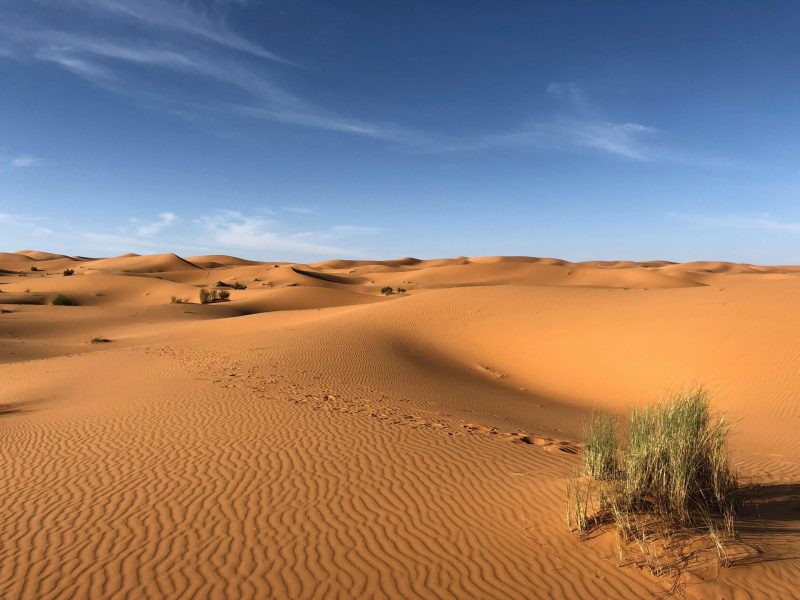
The Sahara Desert, one of the driest places on Earth with an average annual rainfall of just about three inches, may experience a striking transformation later this century. A new study…
A new study led by the University of Exeter warns that the world has crossed its first recognized climate "tipping point", as coral reef ecosystems enter a state of widespread…

At a joint meeting of the European Planetary Science Congress (EPSC) and the Division for Planetary Sciences (DPS) in Helsinki, scientists from the Space Research Institute of the Austrian Academy…
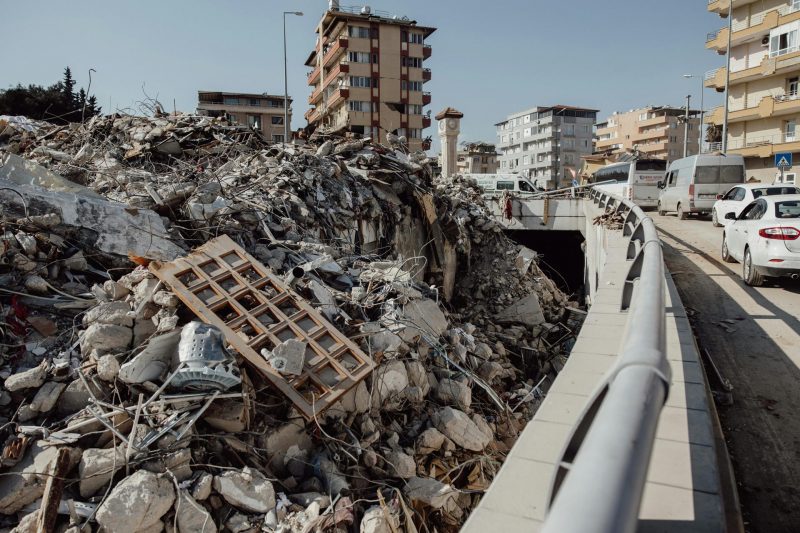
When earthquakes strike, the ground shaking people feel accounts for only a small fraction of the total energy released. Researchers at the Massachusetts Institute of Technology (MIT) have now shown…
A new study led by the University of Reading challenges long-held assumptions about primate origins. For decades, scientists believed primates, including humans, emerged from warm, humid tropical forests. However, reanalysis…
A research team from The Hong Kong Polytechnic University has, for the first time, used Satellite Laser Ranging (SLR) technology to generate precise global records of ocean mass changes spanning…