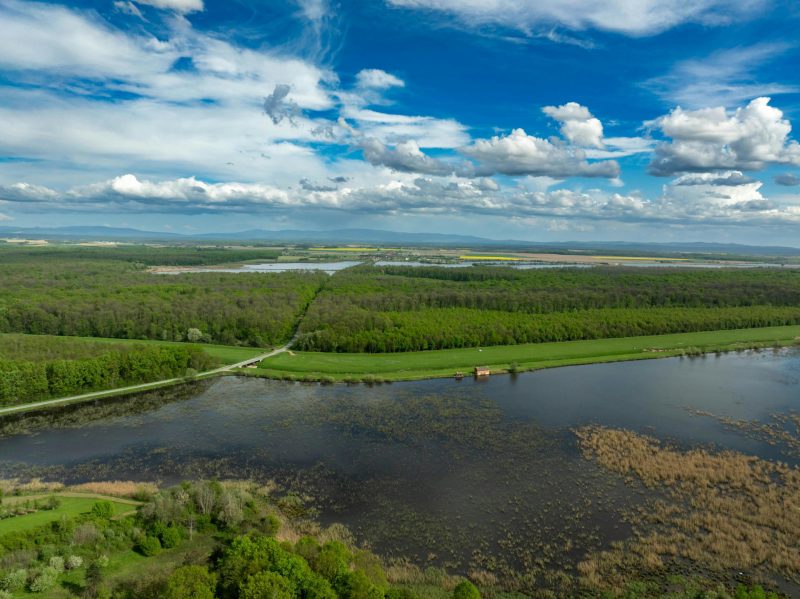
Global warming could significantly increase methane emissions from wetlands by promoting the growth of methane-producing microbes while suppressing the activity of methane-consuming organisms, according to a study published in Science Advances by a team from the Korea Institute of Science and Technology.
Wetlands' waterlogged soils are typically low in oxygen, creating ideal conditions for methane-producing microorganisms that decompose organic carbon into methane. Other microbes normally consume this methane by oxidizing it into carbon dioxide, maintaining a natural balance. However, rising temperatures and elevated carbon dioxide levels could disrupt this equilibrium. Experts from the Smithsonian Environmental Research Center noted that sulfate is a critical resource for microbial competition—under warming conditions, methane-producing bacteria can outcompete others for sulfate, leading to higher methane emissions.
The research team established 18 experimental plots simulating various environmental conditions, including different vegetation types, temperatures, and carbon dioxide concentrations. Results showed that warming alone significantly increased methane emissions, but elevated carbon dioxide levels partially offset this effect by promoting sulfate regeneration, thereby supporting methane-consuming microbes.
The study highlights the pivotal role of sulfate in regulating methane emissions and offers valuable insights for future climate models. A deeper understanding of microbial competition could pave the way for new strategies to mitigate greenhouse gas emissions.
Global Warming May Accelerate Methane Emissions from Wetlands
Tags
A new study led by the University of Exeter warns that the world has crossed its first recognized climate "tipping point", as coral reef ecosystems enter a state of widespread…

At a joint meeting of the European Planetary Science Congress (EPSC) and the Division for Planetary Sciences (DPS) in Helsinki, scientists from the Space Research Institute of the Austrian Academy…

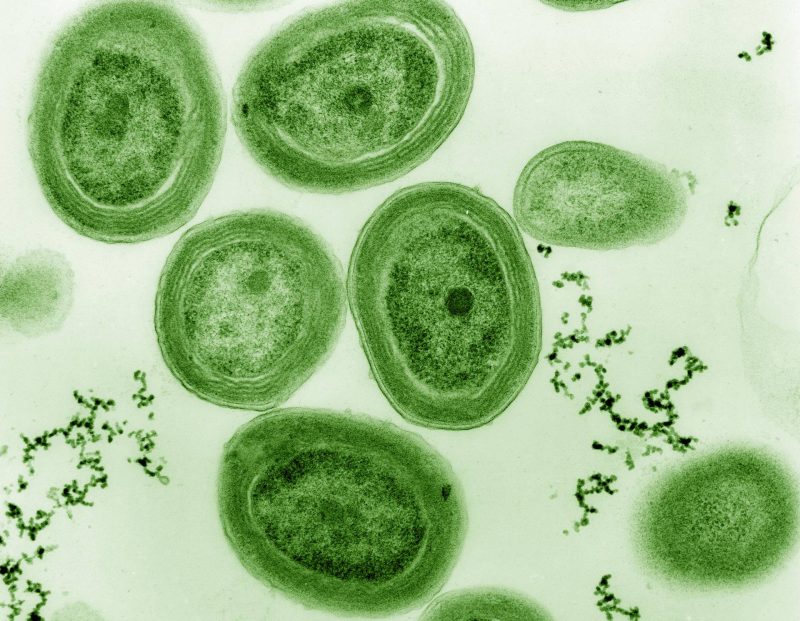
Prochlorococcus, the most abundant microbe in the oceans, is facing a survival crisis due to global warming. This single-celled cyanobacterium, found across more than 75% of the ocean's surface waters,…
A rare mineral found in meteorites and on Mars has drawn scientific interest for its unusual thermal behavior. Unlike typical materials, this substance maintains nearly constant thermal conductivity across temperature…

Earth's climate has swung dramatically between extremes of ice and heat throughout its history. In fact, for much of geological time, Earth has been a warm, ice-free planet. During the Cretaceous…

MIT Boosts Key Photosynthesis Enzyme Efficiency by 25%, Paving Way for Higher Crop Yields
A research team at the Massachusetts Institute of Technology (MIT) has significantly enhanced the efficiency of Rubisco, a crucial enzyme in photosynthesis, using an advanced technique known as continuous directed…