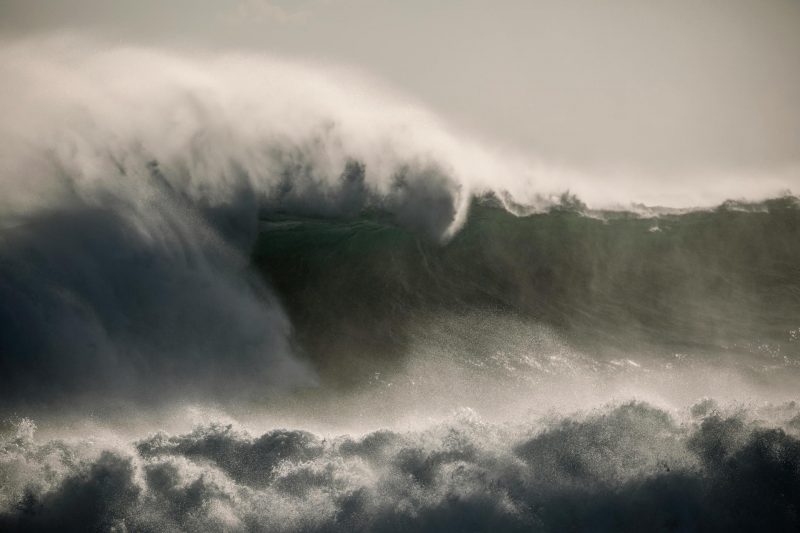
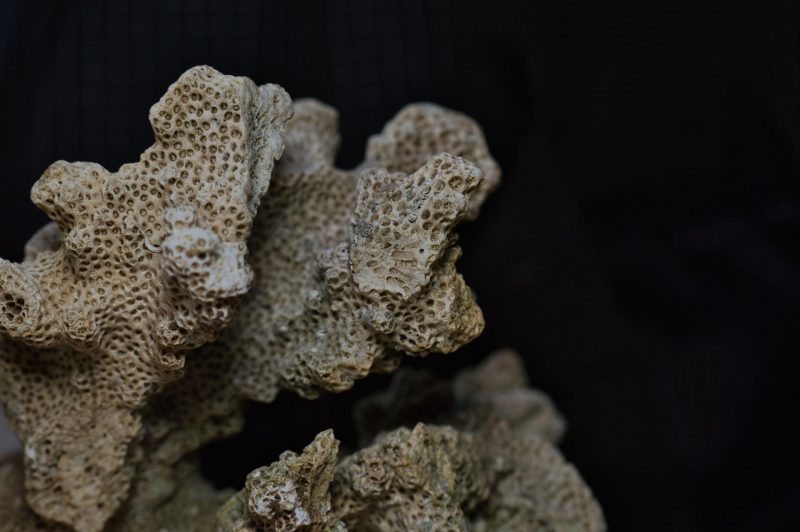
Scientists have discovered hundreds of massive coral boulders scattered inland on Anegada Island in the British Virgin Islands—evidence of a catastrophic tsunami that struck in the late 14th century. The weathered, pale-gray stones had long puzzled researchers, but a new study published in Geophysical Research Letters confirms that they were transported by a major tsunami around 1381–1391 CE.
Computer simulations ruled out hurricanes as a possible cause, showing that even the strongest storms lack the energy to move such enormous coral blocks. Using uranium-series dating on nine coral samples, the team determined that all were removed from the ocean within the same decade, pinpointing the timing of the event.
The tsunami is thought to have been triggered by an earthquake exceeding magnitude 8 along the Puerto Rico Trench—an active subduction zone where the North American Plate slides beneath the Caribbean Plate, only about 100 kilometers from Anegada. Although the trench's slow convergence rate (about two centimeters per year) means large quakes occur infrequently, when they do, tsunamis can reach nearby islands within minutes. Given that Anegada's highest point rises just eight meters above sea level, the island remains particularly vulnerable.
Researchers are now looking for corroborating evidence beyond the Caribbean, including historical records from Atlantic coastal regions. The findings shed new light on the seismic and tsunami hazards facing the Caribbean today.
Ancient Tsunami Evidence Found on Anegada Island Reveals Powerful 14th-Century Quake
Tags
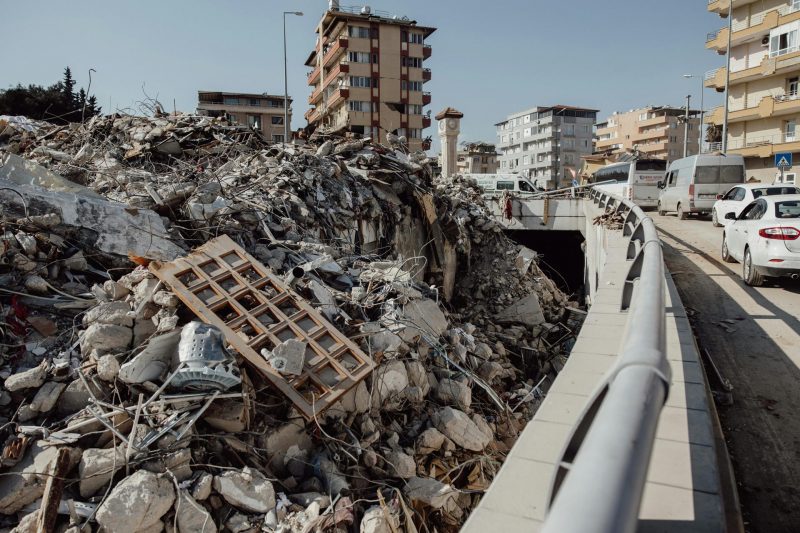
When earthquakes strike, the ground shaking people feel accounts for only a small fraction of the total energy released. Researchers at the Massachusetts Institute of Technology (MIT) have now shown…
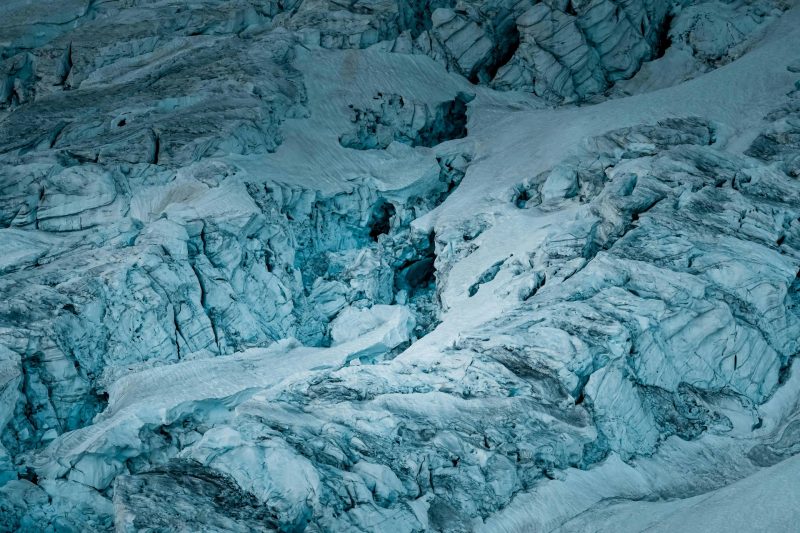
Climate change is not only intensifying droughts, heatwaves, and storm surges but may also be increasing the risk of earthquakes through accelerated glacier melt. A research team from ETH Zurich…
Managing Underground Pressure May Prevent Volcanic Unrest in Southern Italy, Study Finds
Frequent earthquakes in Italy's Campi Flegrei volcanic region since 2022 have raised safety concerns for hundreds of thousands of residents, particularly around Naples. A new study led by researchers at…
On March 28, 2025, a powerful magnitude 7.7 earthquake struck near Mandalay, Myanmar, followed by a magnitude 6.7 aftershock. Both quakes occurred along the Sagaing Fault—a major strike-slip fault running…
An international team of marine researchers, led by Cornell University, has successfully completed a pioneering deep-sea drilling project to investigate the fault responsible for the 2011 Tōhoku earthquake in Japan.…