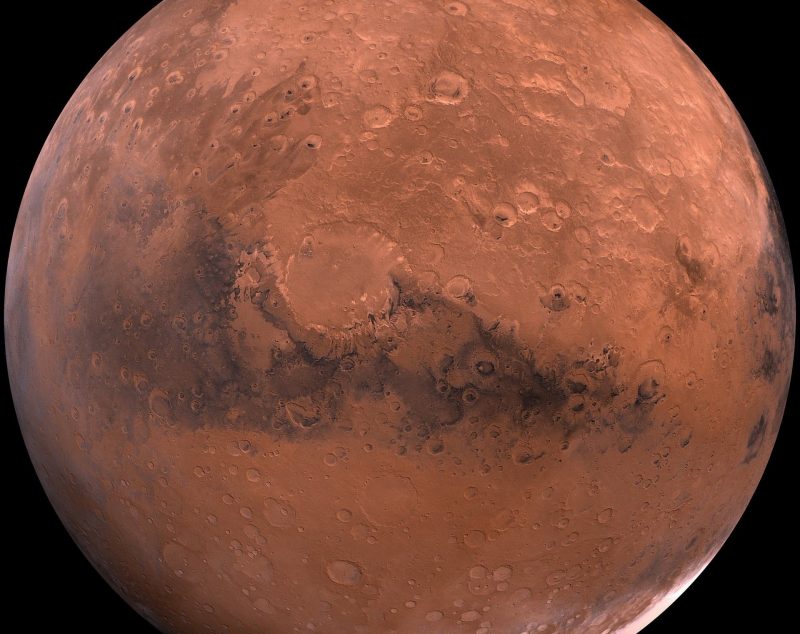
Mars is one of the four terrestrial planets in our solar system. Mars' mass and volume are only slightly larger than Mercury, and its diameter is about half that of Earth's. The atmosphere on Mars is much thinner than that of Earth, and it is composed mainly of carbon dioxide, with small amounts of nitrogen and argon.
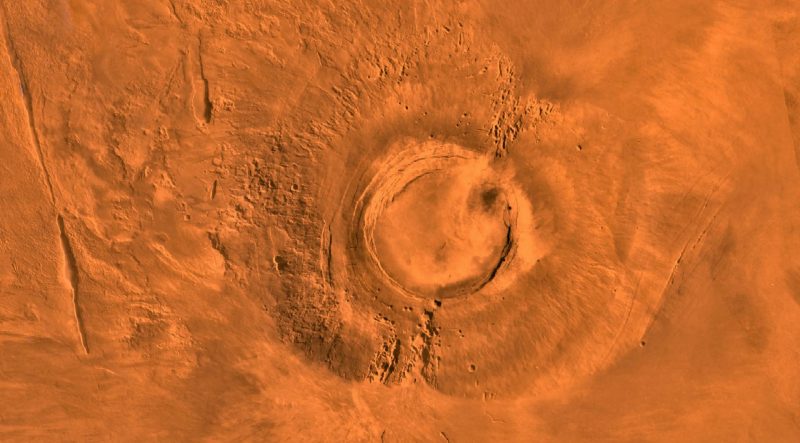
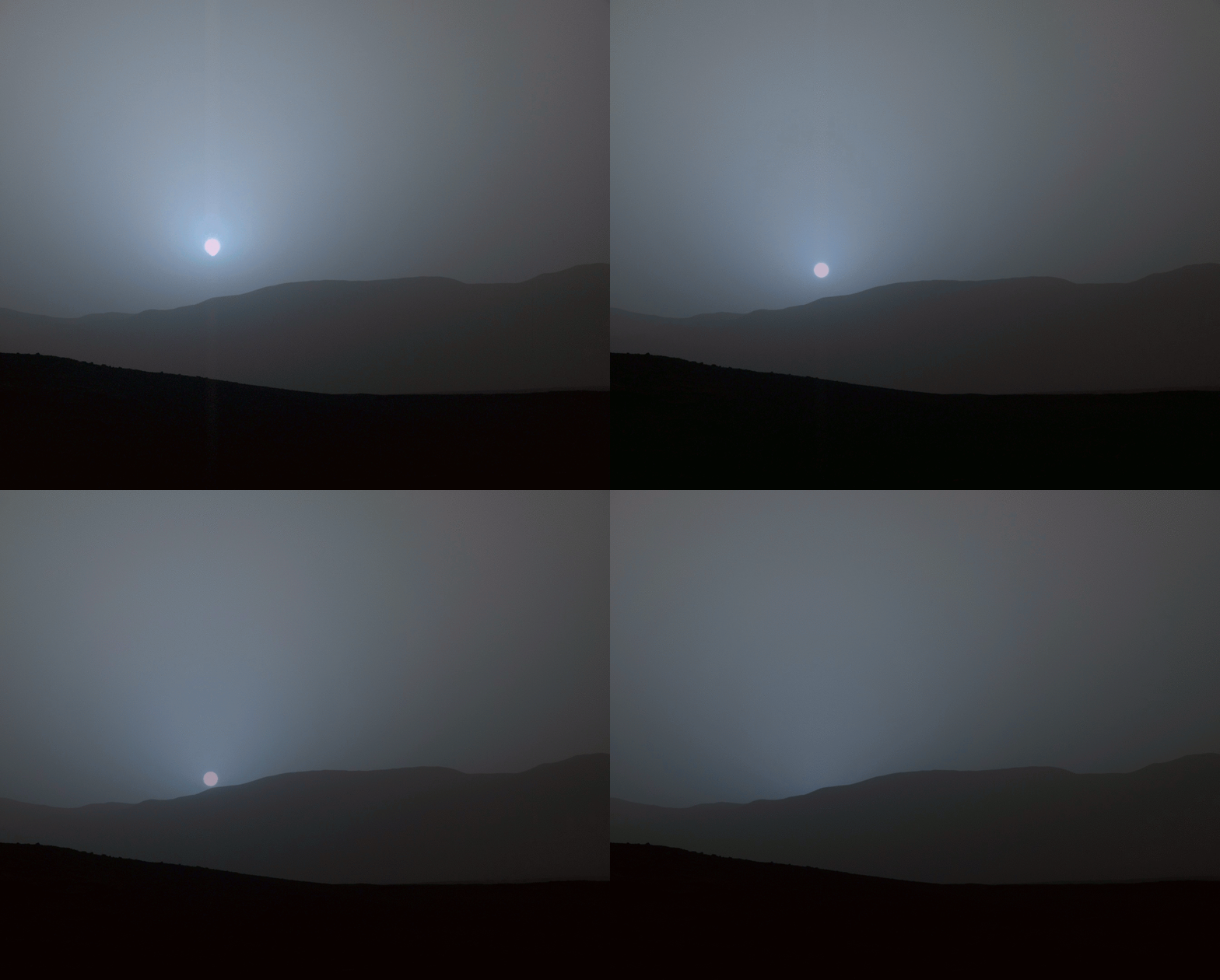 Image Credit: NASA/JPL-Caltech/MSSS/Texas A&M Univ.
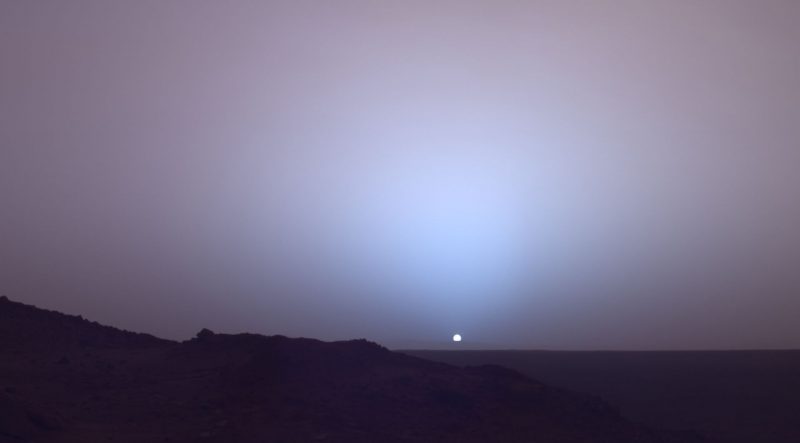
Sunrises and sunsets on Mars display a remarkable blue hue, which is a visually striking feature of the planet. What causes such a unique phenomenon?
It is caused by the thin atmosphere on Mars and the abundance of dust particles in the air. When sunlight passes through the Martian atmosphere at an oblique angle, the light goes through the atmosphere several times longer than it does on Earth. This extended path causes the red light with longer wavelengths in the sunlight to be scattered too much, while the violet and blue light with shorter wavelengths can penetrate the atmosphere and shine on the ground. Although the wavelength of ultraviolet light is too short to be easily perceived by the human eye, the blue light that is left behind is visible during Martian sunrises and sunsets.
Comparison of Mars, Mercury and Earth
| Planet | Mass (1024 kg) | Volume (1010 km3) | Diameter (km) | Rotation Period (hours) | Revolution Period (days) |
| Mars | 0.642 | 16.318 | 6792 | 24.6 | 687.0 |
| Mercury | 0.330 | 6.083 | 4879 | 1407.6 | 88.0 |
| Earth | 5.972 | 108.321 | 12756 | 23.9 | 365.2 |