South Asia is renowned for its remarkable diversity, with a population of 1.5 billion people encompassing various ethnicities, languages, religions, castes, and customs. A groundbreaking study, representing the largest whole-genome analysis of South Asians conducted to date, has shed light on the formation of this diverse group. Moreover, it has unveiled new insights into the origins of Indo-Iranian ancestry and the settlement of ancient hunter-gatherers in the region.
The study has also unveiled an intriguing surprise: the genetic diversity of Neanderthals and their close relatives, the Denisovans. Although no fossils of these ancient humans have been discovered in India, scientists are now speculating on how their genes made their way into the region and persisted over time.
While global genetic sequencing efforts have largely overlooked India, it is noteworthy that most Indians are a product of three primary ancestries. These include the hunter-gatherers who have inhabited the land for tens of thousands of years (between 4700 and 3000 B.C.), the farmers of Iranian origin who migrated to the region, and the herders who arrived from the central Eurasian steppes around 3000 B.C.
In this study, led by Priya Moorjani, a population geneticist at the University of California, Berkeley, the researchers successfully confirmed the identities of these ancestral groups. Utilizing a larger sample of modern Indian genomes compared to previous analyses, they leveraged data from the Indian Longitudinal Aging Study, sequencing over 2,700 genomes that represented individuals from diverse geographic regions, major language groups, tribes, and castes.
To gain further insights into the ancient Iranian-origin farmers who established themselves in the region thousands of years ago, the researchers analyzed ancient DNA extracted from groups with Iranian ancestry. They conducted simulations to compare the genetic patterns with those observed in present-day Indians, ultimately identifying the most plausible candidates from farmers who resided in the ancient agricultural center of Sarazm. Located in present-day northwestern Tajikistan, Sarazm was known for its cultivation of barley, cattle husbandry, and extensive trade networks across Eurasia.
Researchers have made intriguing discoveries regarding prehistoric migrations and population mixing. The question of whether stone tools found in India dating back approximately 80,000 years were created by modern humans has long been debated among scholars. However, since there are no associated remains, it is challenging for researchers to definitively determine their creators.
The study indicates that the genetic traces of these early toolmakers can only be found in the DNA of present-day individuals. By estimating the number of genetic mutations that have occurred between generations and calculating the time it took for India's modern population to reach its current level of genetic variation, Moorjani's team believes that the settlers who gave rise to modern Indians were part of a single migration from Africa around 50,000 years ago.
Furthermore, the research reveals that 1% to 2% of the ancestors of modern humans in India can be traced back to Neanderthals and their close relatives, Denisovans, which is similar to the proportion observed in Europeans. However, in comparison to other populations worldwide, the overall diversity of these ancient genes carried by Indians is particularly remarkable.
Approximately 90% of all known Neanderthal genes are present in the genomes of 2,700 Indians. This percentage is about 50% higher than what was found in a similar study of Neanderthal DNA from Icelanders, which examined over 27,000 genomes. The researchers also identified several new candidate genes inherited from Neanderthals and Denisovans that may have conferred some evolutionary advantages to their descendants.
Moorjani suggests that ancient humans in the Indian subcontinent may have encountered and interbred with a relatively large and genetically diverse early human cousin. Another possibility is that the vast geographic borders of India and the tradition of endogamy may have preserved different segments of Neanderthal DNA compared to other continents.
Study Reveals Prehistoric Migrations and Ancient Gene Diversity in Indian Population
Tags
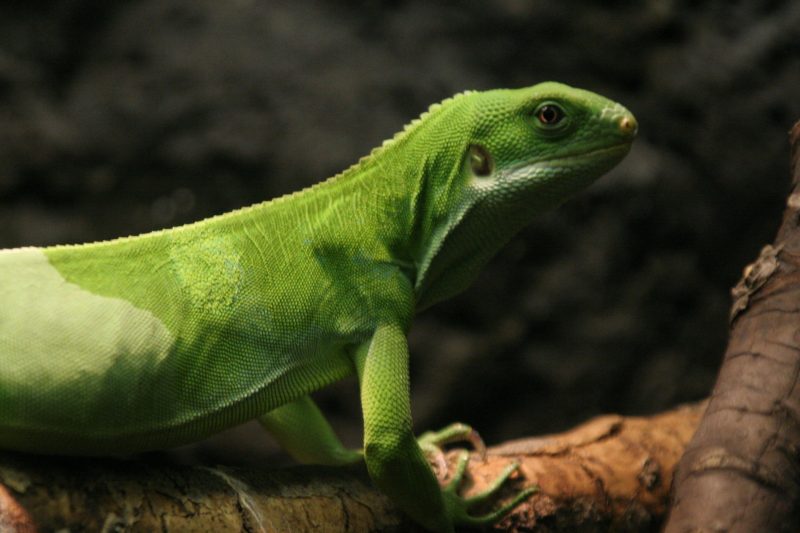
Millions of years ago, iguanas from North America may have made a remarkable transoceanic journey by drifting on floating vegetation across the Pacific Ocean, eventually reaching and settling on islands…
Apple has achieved a significant milestone by producing its top-tier iPhone 16 Pro and Pro Max models in India for the first time this year, marking a crucial moment for…

Morocco's Agadir, India's Trivandrum, Qatar's Doha, Mexico's Iztapalapa, and Australia's Melbourne have been honored with the 2024 Global Award for Sustainable Development in Cities, known as the Shanghai Award, for…
The Economic Times reports that Foxconn is assessing an investment of around $1 billion to establish a smartphone display module assembly factory in Tamil Nadu, primarily to serve Apple's iPhone. Sources…

Alibaba Cloud, the cloud computing arm of Chinese e-commerce giant Alibaba Group Holding, announced last week that it would discontinue its data center services in Australia and India as part…

In India, there is a stark contrast between regions that frequently face floods and those suffering from severe dehydration. To address this imbalance, India is undertaking an ambitious engineering project…