In India, there is a stark contrast between regions that frequently face floods and those suffering from severe dehydration. To address this imbalance, India is undertaking an ambitious engineering project known as the National River Linking Project (NRLP). The objective of this project is to transfer water from water ‘surplus’ basins, where there is flooding, to water ‘deficit’ basins, where there is drought or scarcity.
The NRLP, divided into the Himalayan Component and the Peninsular Component, aims to interconnect numerous rivers across the subcontinent, creating an extensive water network spanning from the Himalayas to the Arabian Sea and the Bay of Bangladesh.
The Indian National Water Development Agency is responsible for studying basin-wide surpluses and deficits and looking into the feasibility of storing, linking, and transferring water. The primary goals of the NRLP are to support India’s hydropower generation and aid in the irrigation of millions of hectares of agricultural land.
Experts have described this project as “unparalleled in its grandeur.” However, the exact number of rivers to be connected, the number of dams and canals to be constructed, the volume of water to be transported annually, and the cost of the project are details that should be cross-checked with multiple reliable sources for accuracy.
India's NRLP: Connecting Rivers for Water Security and Power Generation
Tags
For years, biochar was seen mainly as a passive material—removing contaminants from water by adsorption or serving as a support for catalysts. However, new research has revealed that biochar itself…
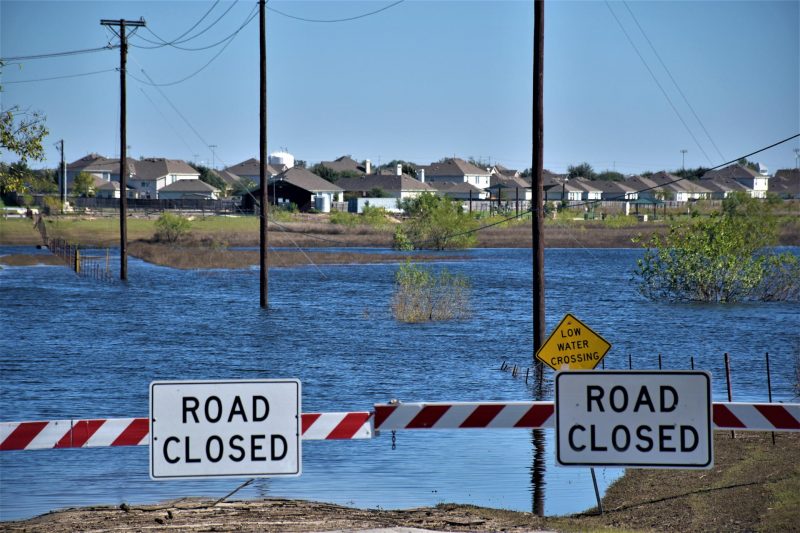
Flooding along the U.S. West Coast is often driven by atmospheric rivers—narrow corridors of concentrated moisture that deliver much-needed precipitation but can also trigger severe disasters. While storm intensity plays…
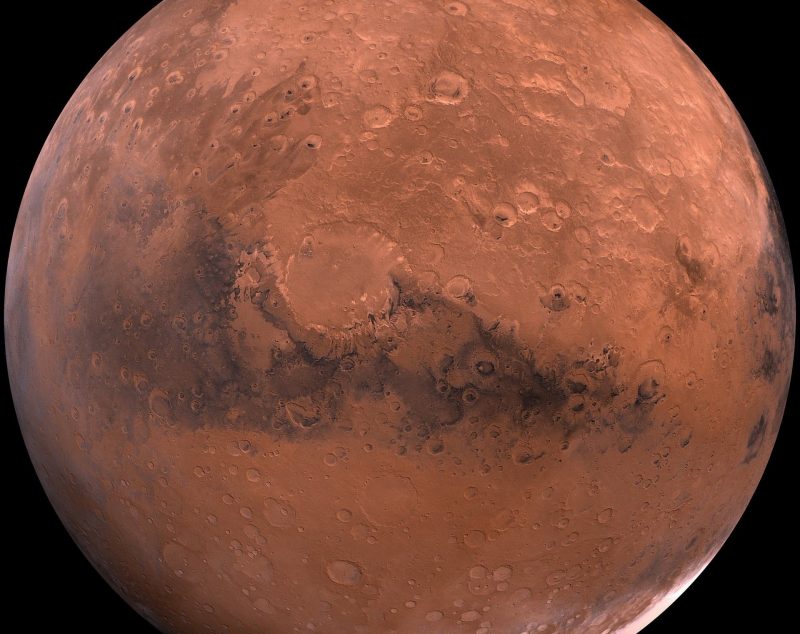
For years, dark streaks observed on the surface of Mars were thought to be potential evidence of liquid water, sparking discussions about the planet's habitability. However, a new study suggests…
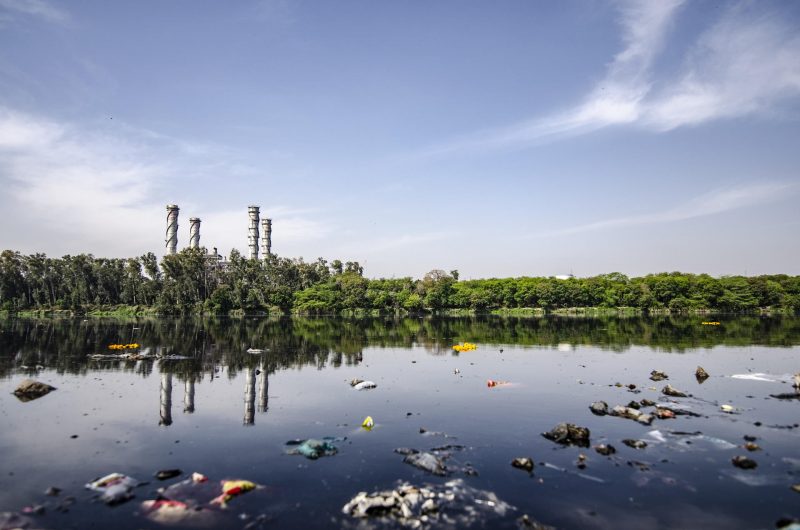
A study led by McGill University in Canada warns that millions of kilometers of rivers worldwide are contaminated with antibiotics at levels high enough to exacerbate antimicrobial resistance and harm…
Researchers have developed a novel sponge-like device that can extract moisture from the air and release it into a container using solar energy. Unlike traditional fog-harvesting or radiative cooling techniques,…

A groundbreaking study published in Science reveals that terrestrial water storage—comprising groundwater, soil moisture, and surface water—has been declining at an alarming rate since the start of the 21st century,…