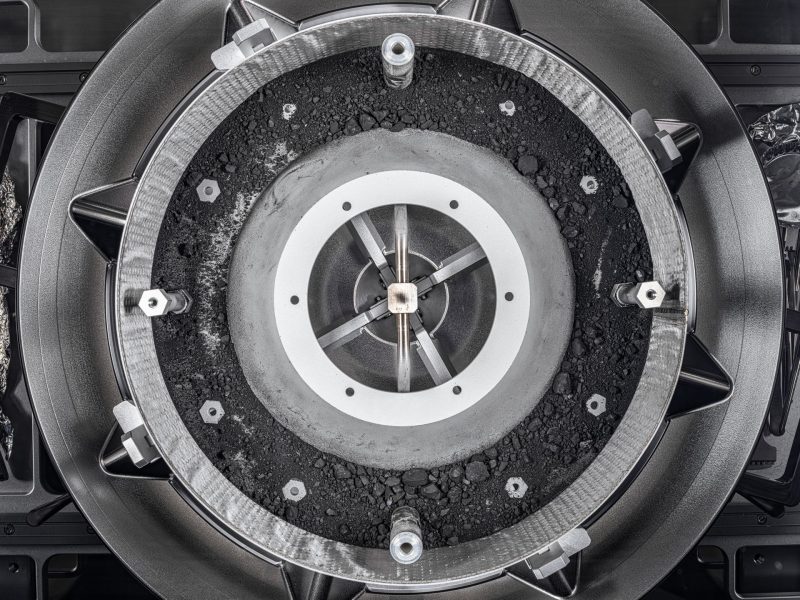
NASA achieved a significant milestone last week as the asteroid Bennu sample container TAGSAM was successfully opened, allowing for the release of high-resolution images on Friday. These images provide a remarkable glimpse into the "treasures" collected from the distant reaches of space.
The ultra-high-resolution image showcases the dust and rock fragments meticulously scraped from Bennu's surface by the OSIRIS-REx detector. The level of detail captured in the image is so precise that one can almost feel a tactile connection. A full-size version of the image, available for viewing on NASA's website, enables a closer examination of the material retrieved from this 4.5-billion-year-old asteroid.
Lindsay Keller, a valued member of the OSIRIS-REx team, expressed their intent to extensively employ microanalytical techniques in order to thoroughly study these samples, going as far as to "disassemble them to the atomic level."
Bennu, estimated to have originated 4.5 billion years ago, holds great promise in unraveling the mysteries surrounding the formation of our solar system and the fundamental building blocks of life on Earth. Scientists have already identified indications of carbon and water in materials discovered outside the TAGSAM container. Initially aiming to retrieve a minimum of 60 grams of Bennu's regolith, the OSIRIS-REx mission exceeded expectations by extracting an impressive 70.3 grams of sample from the exterior of the vessel alone.
In the forthcoming two years, NASA will undertake a thorough analysis of a portion of the collected samples, while the majority will be carefully preserved for future research endeavors and shared with the wider scientific community.
Tags
A new NASA study indicates that Saturn's largest moon, Titan, may host naturally forming primitive cell-like structures called vesicles within its liquid hydrocarbon lakes. The finding offers fresh insight into…
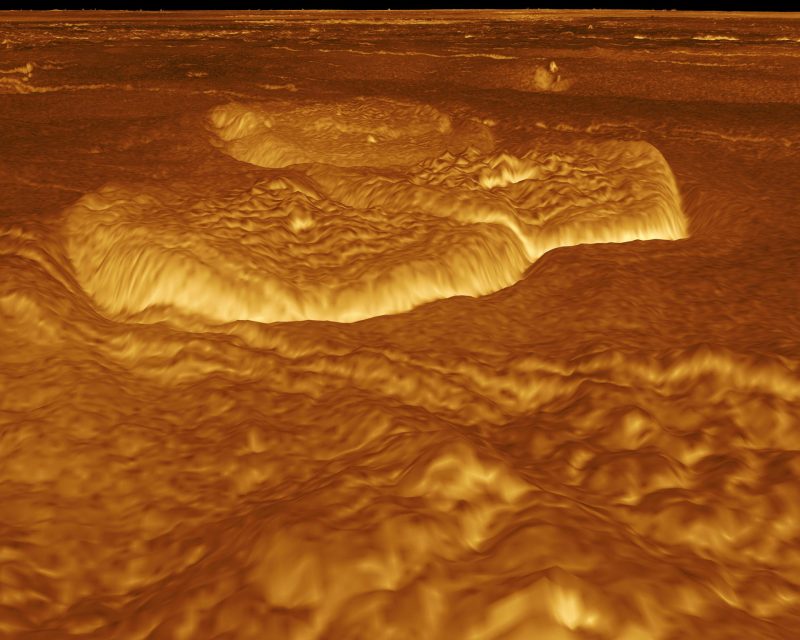
A recent NASA study reveals that large circular features on Venus—known as coronae—may be evidence of ongoing geological activity. The findings, published in Science Advances, are based on data collected…
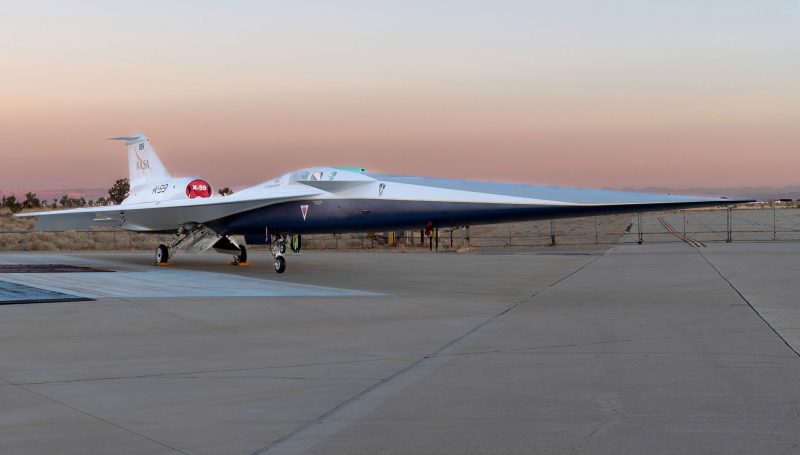
NASA has recently completed ground engine performance tests for the X-59 Quiet Supersonic Technology (QueSST) demonstrator—a key step toward mitigating the disruptive sonic booms produced by supersonic aircraft. In collaboration…
Boeing to Cut 400 Jobs from NASA's SLS Lunar Rocket Program Amid Speculation of Policy Shifts
Boeing plans to lay off 400 employees from its Space Launch System (SLS) lunar rocket program, raising speculation about potential changes to NASA's space exploration plans under a second Trump…

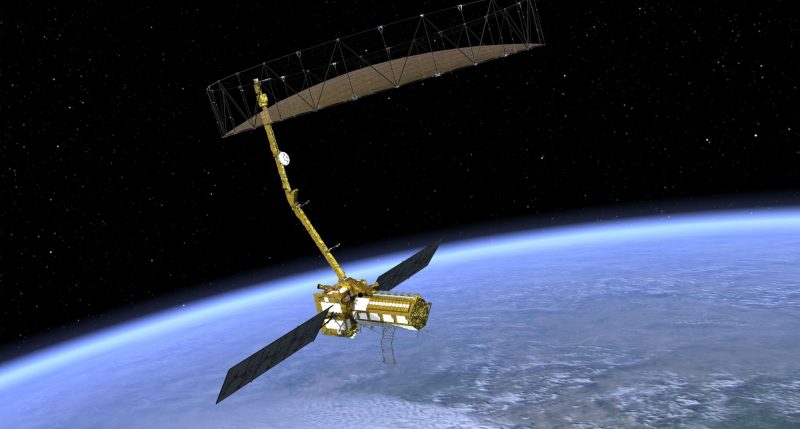
NISAR, a collaborative project between NASA and the Indian Space Research Organization (ISRO), is an upcoming radar satellite poised to revolutionize Earth observation. As the first satellite equipped with unique…
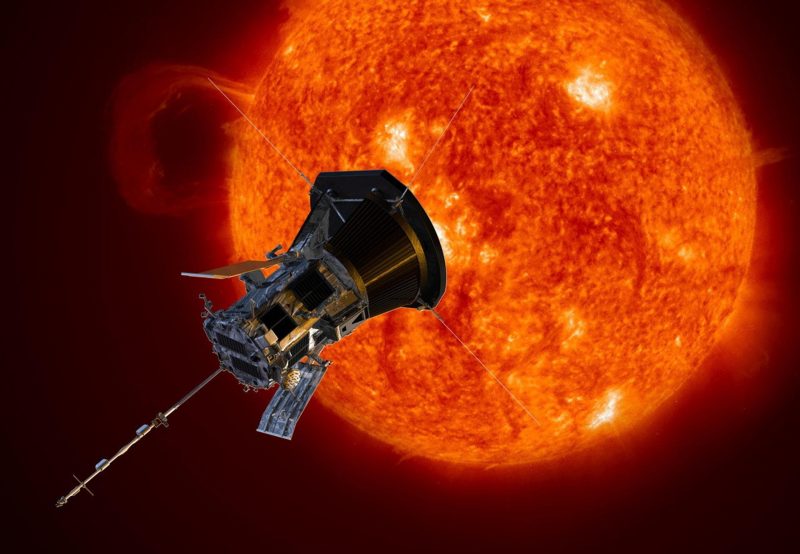
On December 24 of last year, NASA's Parker Solar Probe made history by becoming the first spacecraft to pass through the Sun's atmosphere. On January 1 this year, the probe…