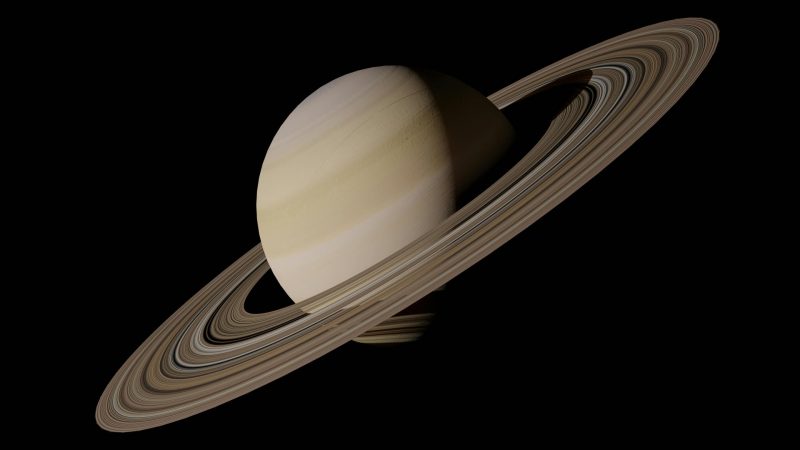
A new NASA study indicates that Saturn's largest moon, Titan, may host naturally forming primitive cell-like structures called vesicles within its liquid hydrocarbon lakes. The finding offers fresh insight into how life might originate beyond Earth.
Titan is the only body in the solar system, aside from Earth, with stable surface liquids. Unlike Earth's water-based lakes, Titan's seas are composed of liquid methane and ethane under frigid conditions of around –179°C. Its active weather cycles and complex atmospheric chemistry create a unique "prebiotic laboratory".
According to the study, waves on Titan's seas generate aerosol droplets that can trap amphiphilic molecules produced by atmospheric reactions. When these droplets return to the lake, the molecules assemble into bilayer vesicles, encapsulating the original liquid. Over time, swarms of vesicles could spread across ponds, interacting and competing in ways that may eventually lead to primitive cell formation.
This discovery significantly strengthens Titan's habitability profile. Although NASA's upcoming Dragonfly mission, scheduled for launch in 2027, will not target Titan's lake regions or carry instruments specifically designed to detect vesicles, its exploration of the moon's surface composition, atmosphere, and geology will provide crucial environmental context for assessing the potential for life's precursors.
NASA Study Suggests Titan’s Lakes Could Harbor Precursors to Life
Tags
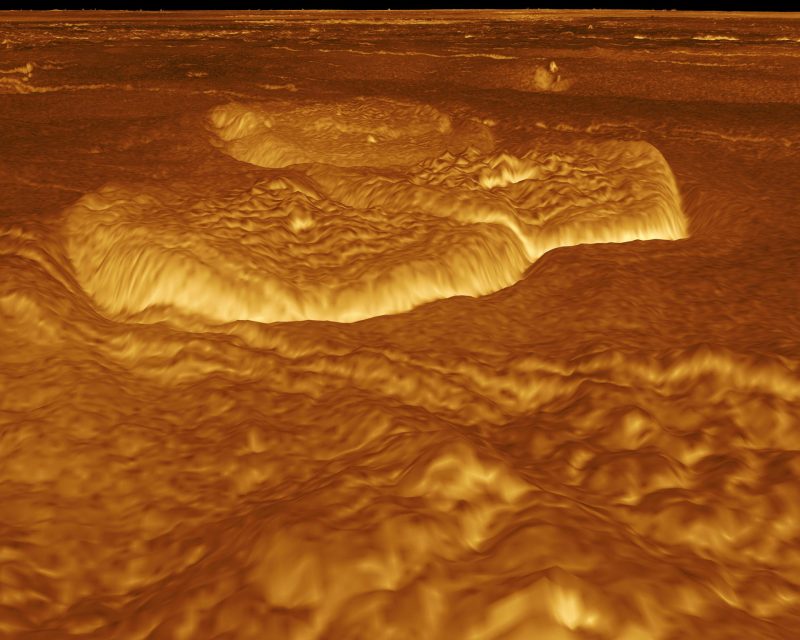
A recent NASA study reveals that large circular features on Venus—known as coronae—may be evidence of ongoing geological activity. The findings, published in Science Advances, are based on data collected…
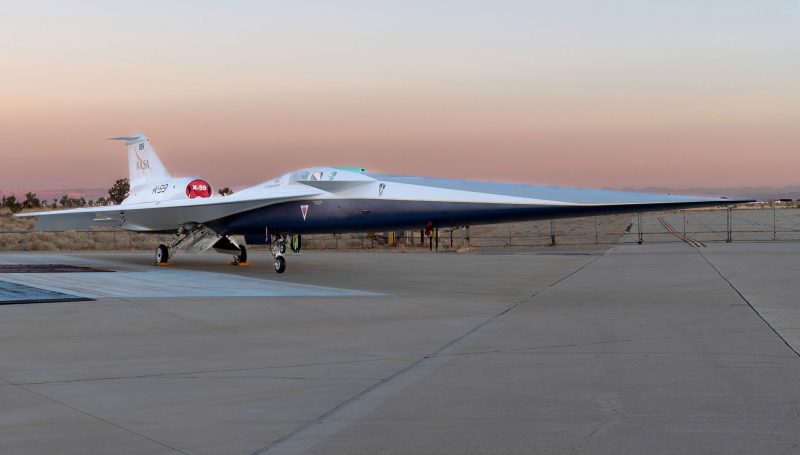
NASA has recently completed ground engine performance tests for the X-59 Quiet Supersonic Technology (QueSST) demonstrator—a key step toward mitigating the disruptive sonic booms produced by supersonic aircraft. In collaboration…
Boeing to Cut 400 Jobs from NASA's SLS Lunar Rocket Program Amid Speculation of Policy Shifts
Boeing plans to lay off 400 employees from its Space Launch System (SLS) lunar rocket program, raising speculation about potential changes to NASA's space exploration plans under a second Trump…

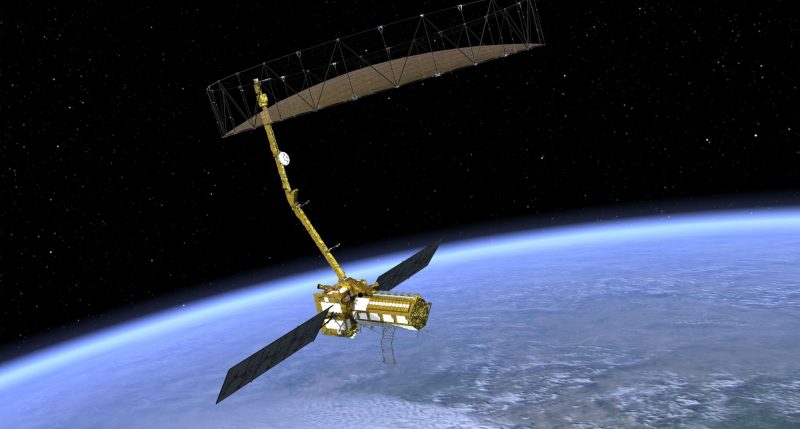
NISAR, a collaborative project between NASA and the Indian Space Research Organization (ISRO), is an upcoming radar satellite poised to revolutionize Earth observation. As the first satellite equipped with unique…
On December 24 of last year, NASA's Parker Solar Probe made history by becoming the first spacecraft to pass through the Sun's atmosphere. On January 1 this year, the probe…