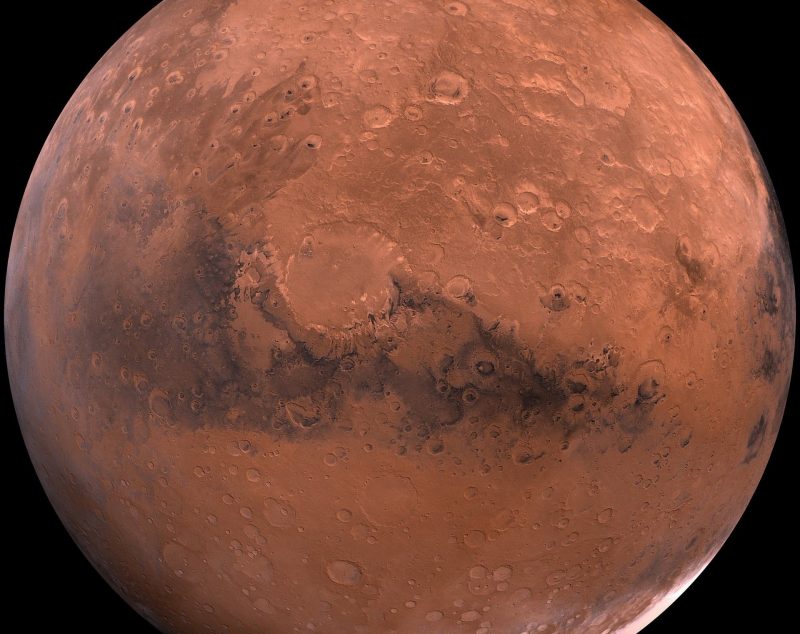
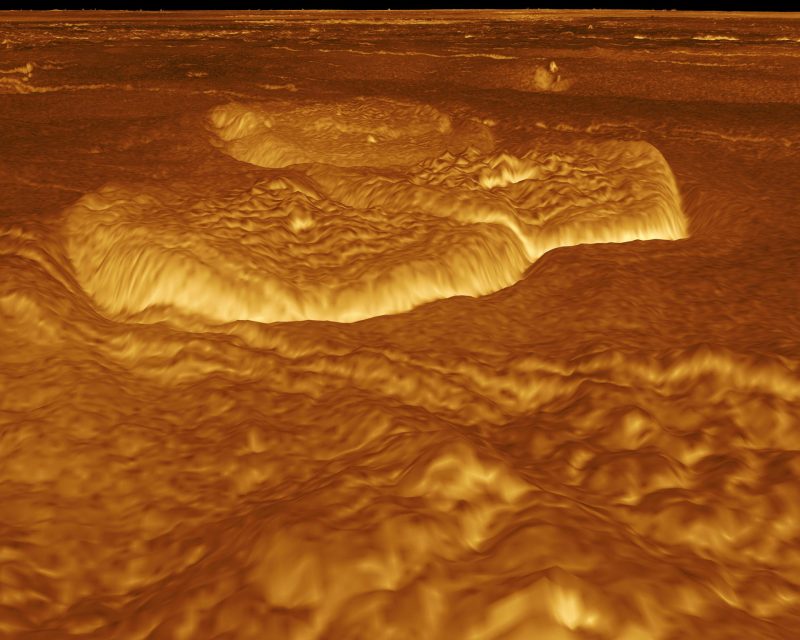
A recent NASA study reveals that large circular features on Venus—known as coronae—may be evidence of ongoing geological activity. The findings, published in Science Advances, are based on data collected over 30 years ago by NASA's Magellan spacecraft.
Unlike Earth, Venus lacks plate tectonics, yet its surface continues to be reshaped by internal volcanic processes. Coronae are oval-shaped geological formations spanning hundreds of miles, believed to be caused by upwelling of hot material from within the planet, accompanied by surrounding fracture systems.
By analyzing gravity and topography data from the Magellan mission, scientists identified active mantle movements beneath at least 52 coronae, indicating that these structures are still being influenced by subsurface forces.
Using 3D modeling, the research team simulated how mantle plumes could form coronae and identified three types of possible geological activity on Venus: atypical subduction, lithospheric drips, and volcanism in regions with a thick lithosphere. These processes resemble early geological activity on Earth, offering new insights into planetary evolution.
Looking ahead, NASA's upcoming VERITAS mission, slated for launch in 2031, aims to further investigate Venus's geology. Equipped with high-resolution radar and spectrometers, VERITAS will map the planet in 3D, analyze surface chemistry, and study gravity fields to uncover Venus's internal structure and geologically active regions. The mission is expected to provide data with far greater precision than Magellan, deepening our understanding of Venus and other Earth-like planets.
Tags
At a joint meeting of the European Planetary Science Congress (EPSC) and the Division for Planetary Sciences (DPS) in Helsinki, scientists from the Space Research Institute of the Austrian Academy…
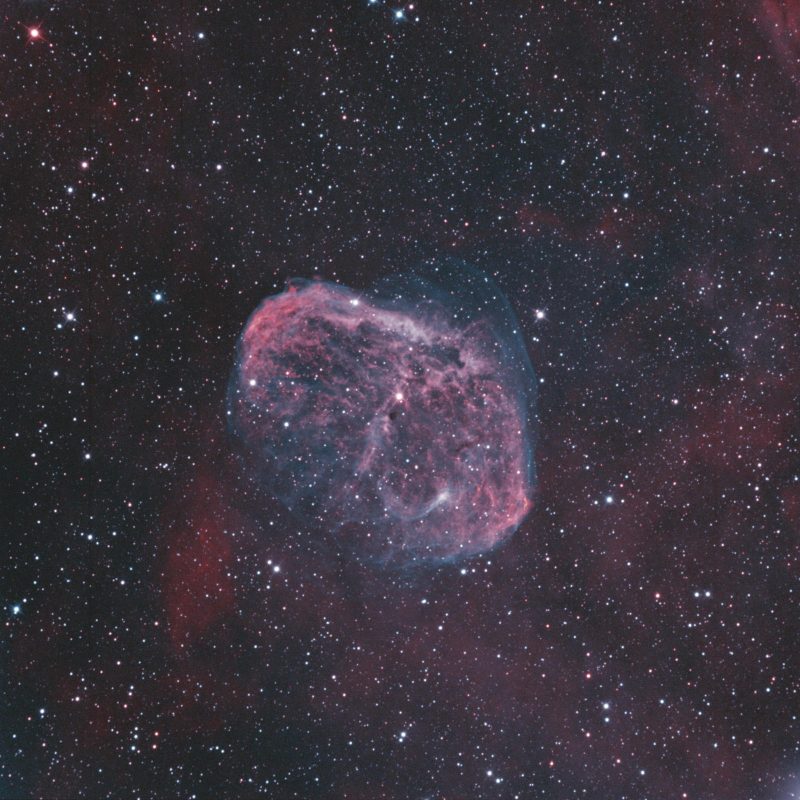
Astronomers have discovered a mysterious new world at the edge of the solar system—a trans-Neptunian object (TNO) designated 2017 OF201. The discovery, made by researchers from the Institute for Advanced…
A new NASA study indicates that Saturn's largest moon, Titan, may host naturally forming primitive cell-like structures called vesicles within its liquid hydrocarbon lakes. The finding offers fresh insight into…
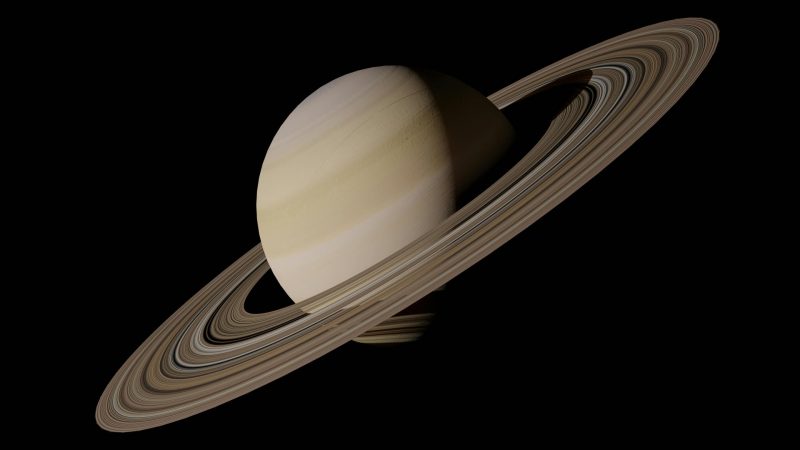
Astronomers may have detected a giant exoplanet orbiting Alpha Centauri A, a Sun-like star located about 4.3 light-years from Earth. The candidate planet lies within the star's habitable zone and…
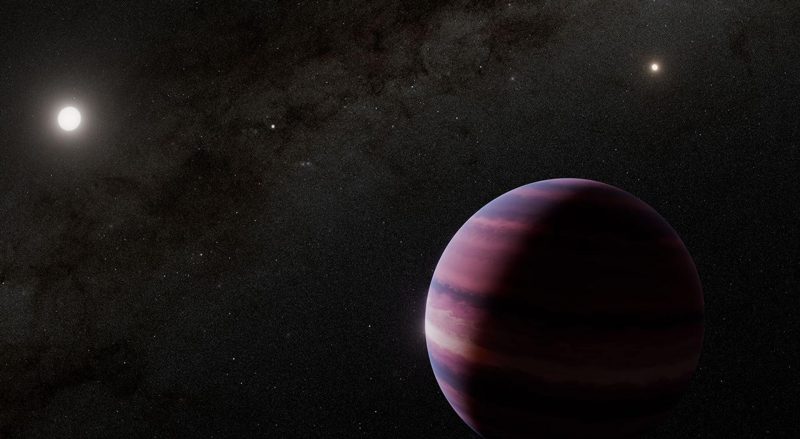
For the first time, astronomers have observed a planetary system in the earliest known stage of formation outside our solar system—a breakthrough that sheds new light on the origins of…
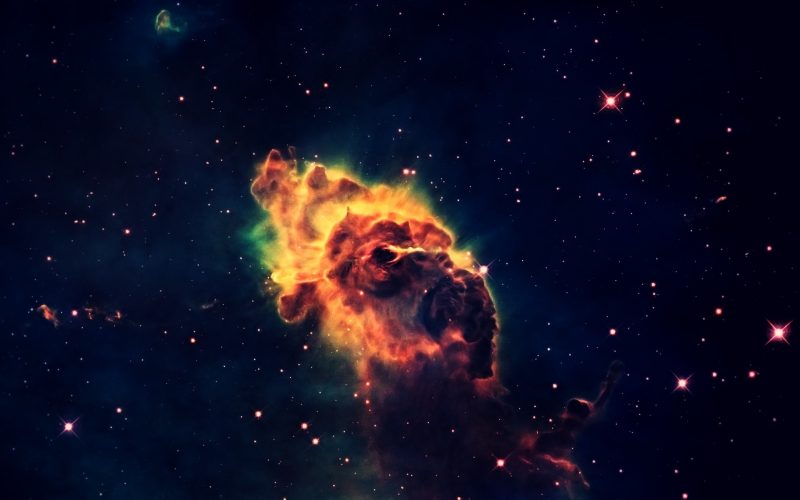
For years, dark streaks observed on the surface of Mars were thought to be potential evidence of liquid water, sparking discussions about the planet's habitability. However, a new study suggests…