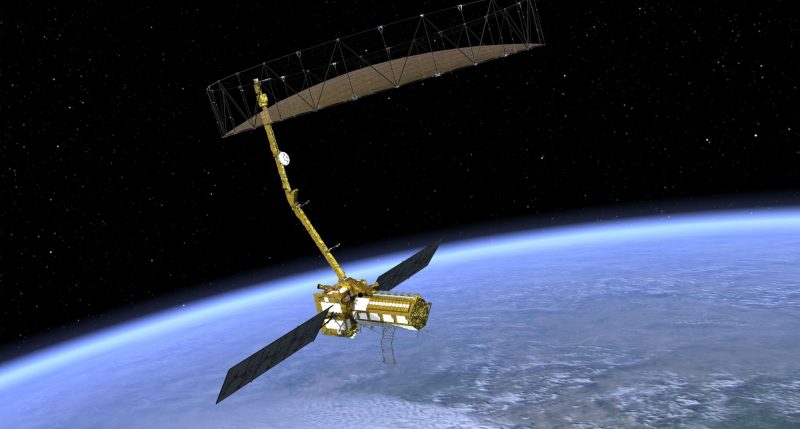
NISAR, a collaborative project between NASA and the Indian Space Research Organization (ISRO), is an upcoming radar satellite poised to revolutionize Earth observation. As the first satellite equipped with unique dual-frequency radar technology, NISAR will provide unprecedentedly detailed data on subtle changes to Earth's surface, ranging from forest growth to glacier movements. This data will significantly enhance scientific research, disaster response, and environmental monitoring.
The satellite is designed to carry two radar systems simultaneously: the L-band radar with a wavelength of 10 inches (25 cm) and the S-band radar with a wavelength of 4 inches (10 cm).
The interaction of microwaves with objects depends on their wavelength. Shorter wavelengths are more sensitive to smaller features, such as leaves and rough surfaces, while longer wavelengths can capture larger structures, such as boulders and tree trunks. By combining the sensitivity of both wavelengths, NISAR's dual-frequency radar technology can identify and analyze surface features at varying scales. This integrated approach allows researchers to gain deeper insights into Earth's diverse surface characteristics compared to single radar systems.
NISAR: A Groundbreaking Dual-Frequency Radar Satellite for Earth Observation
Tags
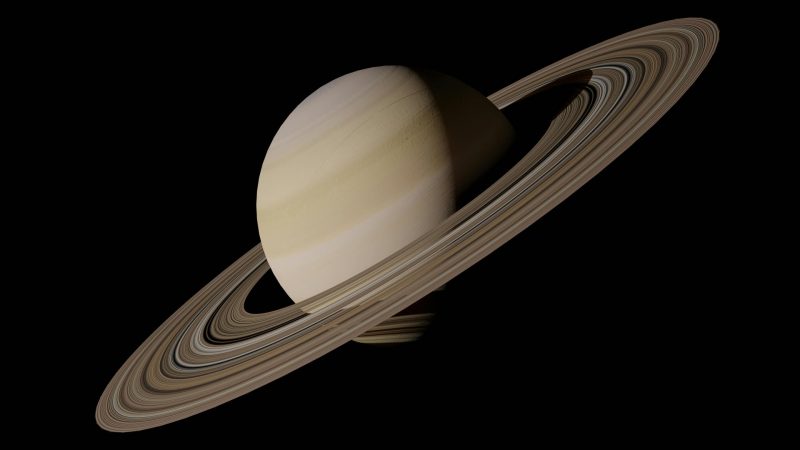
A new NASA study indicates that Saturn's largest moon, Titan, may host naturally forming primitive cell-like structures called vesicles within its liquid hydrocarbon lakes. The finding offers fresh insight into…
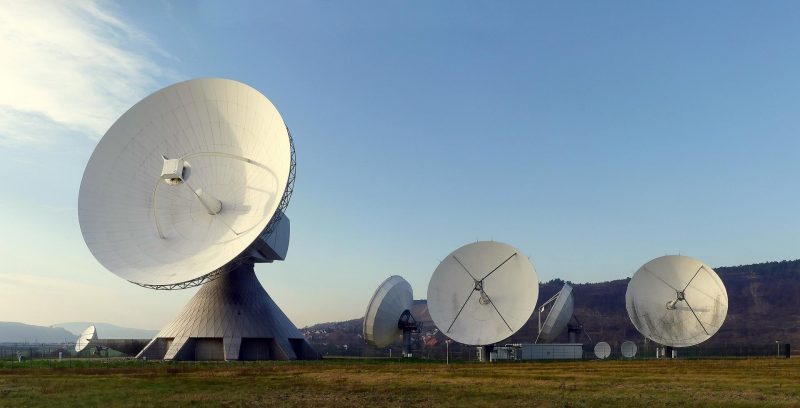
A new study reveals that Earth's civil and military radar systems may be inadvertently transmitting signals into space that could be detected by alien civilizations. These unintended electromagnetic emissions—especially from…
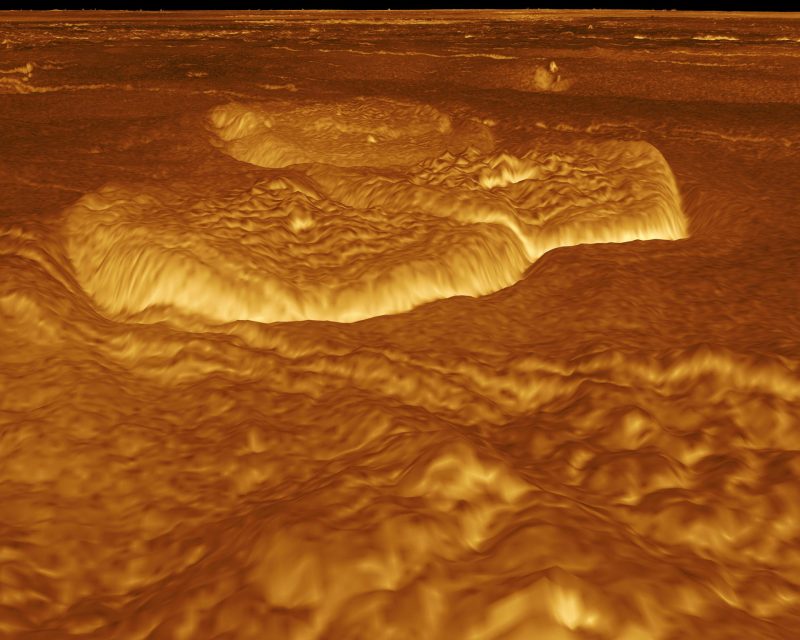
A recent NASA study reveals that large circular features on Venus—known as coronae—may be evidence of ongoing geological activity. The findings, published in Science Advances, are based on data collected…
Mountains are among the most biodiverse ecosystems on Earth, yet global environmental changes are profoundly reshaping them. Over the past 50 years, rising temperatures and shifts in land use have…

On March 28, 2025, a powerful magnitude 7.7 earthquake struck near Mandalay, Myanmar, followed by a magnitude 6.7 aftershock. Both quakes occurred along the Sagaing Fault—a major strike-slip fault running…

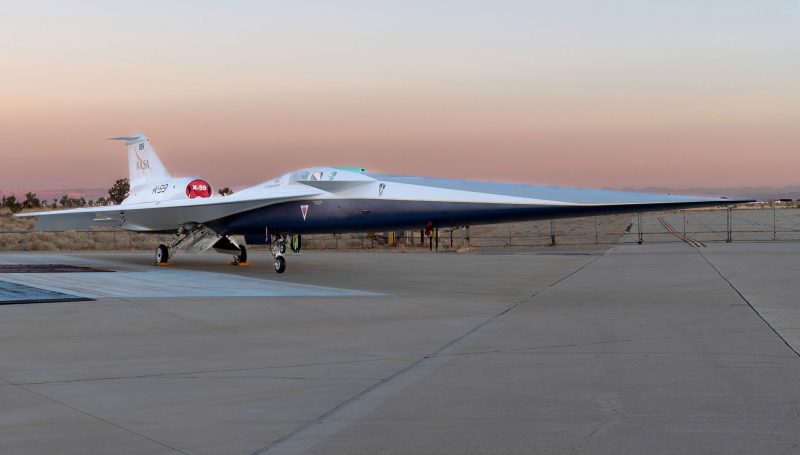
NASA has recently completed ground engine performance tests for the X-59 Quiet Supersonic Technology (QueSST) demonstrator—a key step toward mitigating the disruptive sonic booms produced by supersonic aircraft. In collaboration…