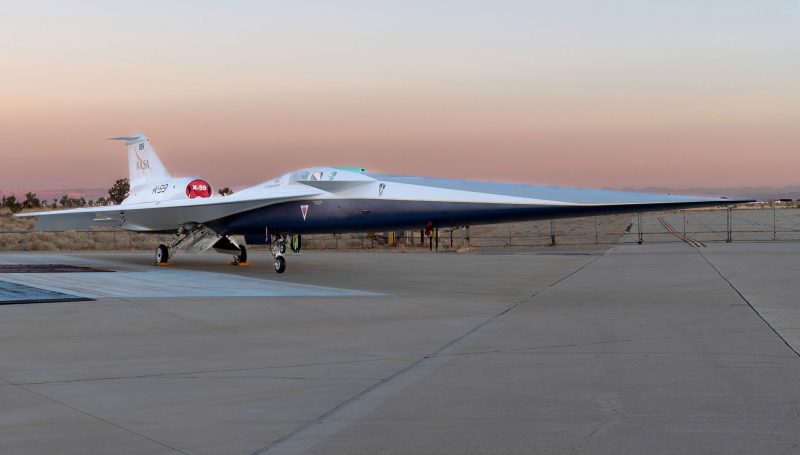
NASA has recently completed ground engine performance tests for the X-59 Quiet Supersonic Technology (QueSST) demonstrator—a key step toward mitigating the disruptive sonic booms produced by supersonic aircraft. In collaboration with Lockheed Martin, tests were conducted on a modified single F414-GE-100 engine between October last year and February this year.
Raymond Castner, the X-59 propulsion system lead at NASA's Glenn Research Center, announced at a press briefing that the ground tests met all expectations. The team achieved a smooth and steady airflow, in line with wind tunnel predictions, without encountering any structural or excessive vibration issues. Both the engine and the aircraft's critical components requiring cooling were effectively managed.
Supersonic flight, defined as speeds exceeding approximately 1,234 km/h (767 mph), creates powerful shock waves that merge into the familiar sonic boom—a phenomenon known to disturb communities and even shatter windows. As a result, the FAA banned non-military supersonic flights over land in 1973. Although the Concorde once symbolized the promise of commercial supersonic travel, its challenges with fuel efficiency, high operational costs, and persistent noise complaints prevented its widespread adoption, leading to its retirement in 2003.
NASA also shared a series of impressive test videos. Initially, the X-59 team evaluated the aircraft's hydraulic, electrical, and environmental control systems. Subsequent throttle tests pushed the engine's afterburner to its limits, producing a distinctive “shock diamond” pattern in the exhaust—an effect created by the compression and expansion of supersonic exhaust gases.
The X-59 demonstrator, which rolled out of its Palmdale, California hangar in January 2024, boasts a sleek, needle-like design measuring 99 feet in length, 14 feet in height, and a 29.5-foot wingspan. This aerodynamic form minimizes air disturbances, reducing the conventional sonic boom to a much gentler “thump” - a sound one NASA engineer likened to a closing car door. Notably, the engine is mounted atop the aircraft to further diminish the noise transmitted to the ground.
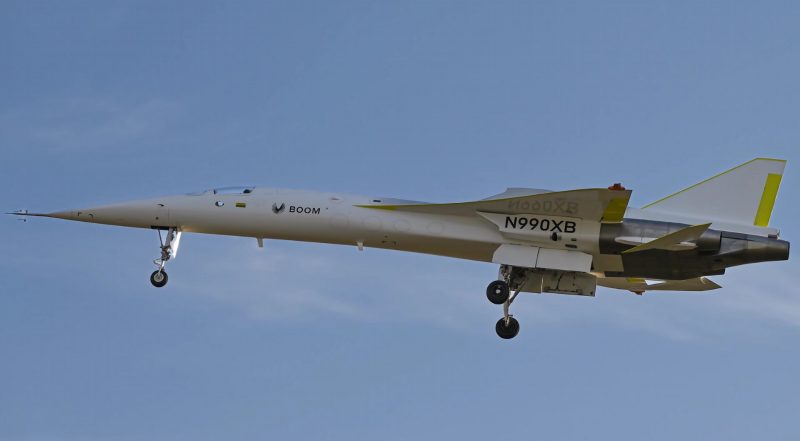
Private industry is also making strides in reviving supersonic flight. In late January, Boom Supersonic's XB-1 demonstrator completed its maiden flight, achieving supersonic speeds on three separate occasions.
Designed to cruise at 55,000 feet and reach speeds of up to 925 mph (1,489 km/h), the X-59 was initially slated for a first flight last year. However, NASA's latest press release indicates that additional testing remains necessary. Upcoming evaluations will include electromagnetic interference tests and assessments of the aircraft's data processing capabilities under both normal and fault conditions, concluding with taxi tests—critical steps toward operational readiness.
Once airborne, the X-59 will undergo a series of tests focused on quantifying the “thump” noise as perceived on the ground. These evaluations are expected to continue through 2027, contingent on the demonstrator's actual flight schedule.
NASA Advances Quiet Supersonic Technology with Successful X-59 Engine Testing
Tags
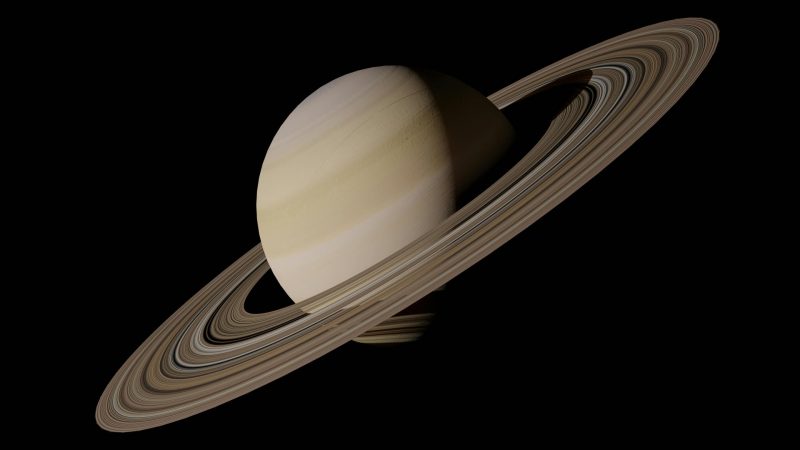
A new NASA study indicates that Saturn's largest moon, Titan, may host naturally forming primitive cell-like structures called vesicles within its liquid hydrocarbon lakes. The finding offers fresh insight into…
HKU Engineers Develop Autonomous Drone “SUPER” That Navigates Without GPS at High Speeds
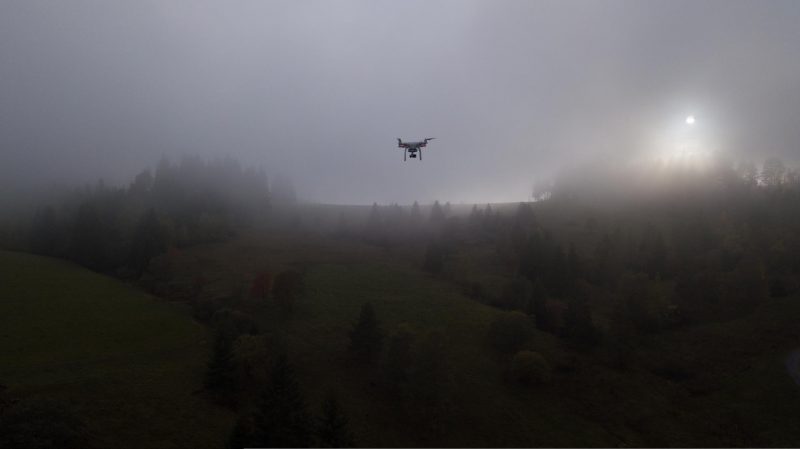
A research team from the Department of Mechanical Engineering at the University of Hong Kong has developed an advanced autonomous drone named “SUPER,” capable of flying at 45 miles per…
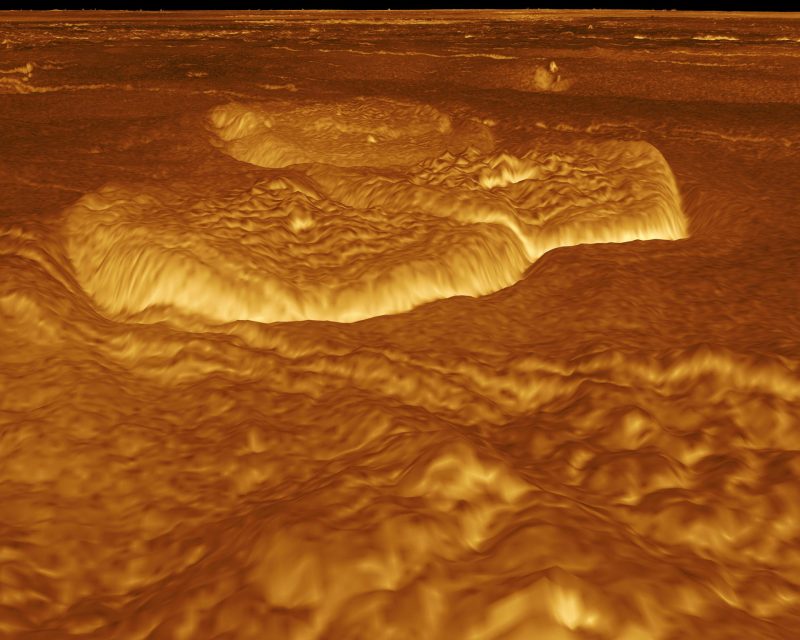
A recent NASA study reveals that large circular features on Venus—known as coronae—may be evidence of ongoing geological activity. The findings, published in Science Advances, are based on data collected…
Boeing to Cut 400 Jobs from NASA's SLS Lunar Rocket Program Amid Speculation of Policy Shifts
Boeing plans to lay off 400 employees from its Space Launch System (SLS) lunar rocket program, raising speculation about potential changes to NASA's space exploration plans under a second Trump…
Nearly ten months after completing its first subsonic flight in March last year, Boom Supersonic's prototype test aircraft, XB-1, successfully broke the sound barrier three times during its 12th test…