Astronomers have discovered a mysterious new world at the edge of the solar system—a trans-Neptunian object (TNO) designated 2017 OF201. The discovery, made by researchers from the Institute for Advanced Study and Princeton University, has been confirmed by the International Astronomical Union's Minor Planet Center.
Preliminary estimates suggest the object, with a diameter of about 700 kilometers, could qualify as a dwarf planet, placing it in the same category as Pluto. It is among the most distant solar system bodies ever observed, underscoring that the Kuiper Belt beyond Neptune may be far less empty than previously thought and could conceal many more unknown objects.
2017 OF201 follows an extraordinary orbit: its aphelion lies more than 1,600 times farther from the Sun than Earth, while its perihelion is roughly 44.5 times Earth's orbital distance, close to Pluto's path. One full orbit takes about 25,000 years, suggesting a history of complex gravitational interactions with the giant planets. Some scientists speculate it may have once been ejected into the distant Oort Cloud before being nudged back into its current trajectory.
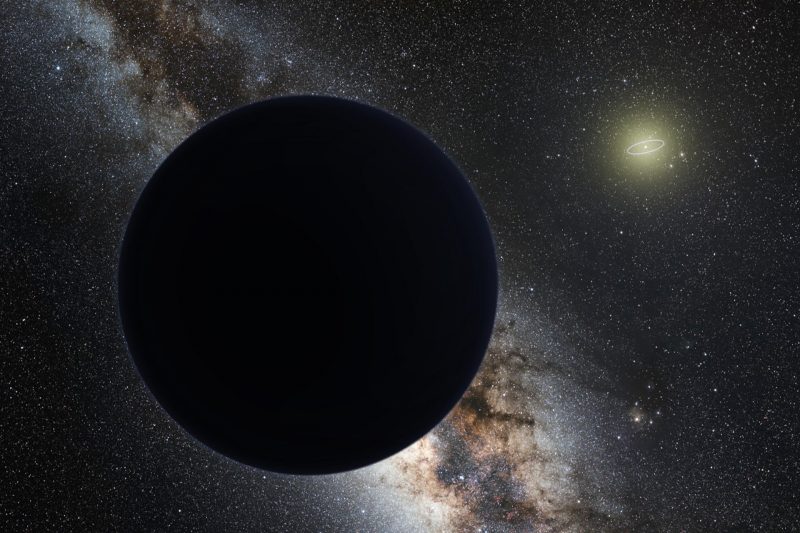
The finding poses an intriguing challenge to the much-debated “Planet Nine” hypothesis. While most extreme trans-Neptunian objects exhibit clustered orbits—often cited as evidence for an unseen massive planet—2017 OF201's orbit deviates from this pattern, offering new clues for ongoing research.
Newly Discovered Distant World Challenges "Planet Nine" Hypothesis
Tags
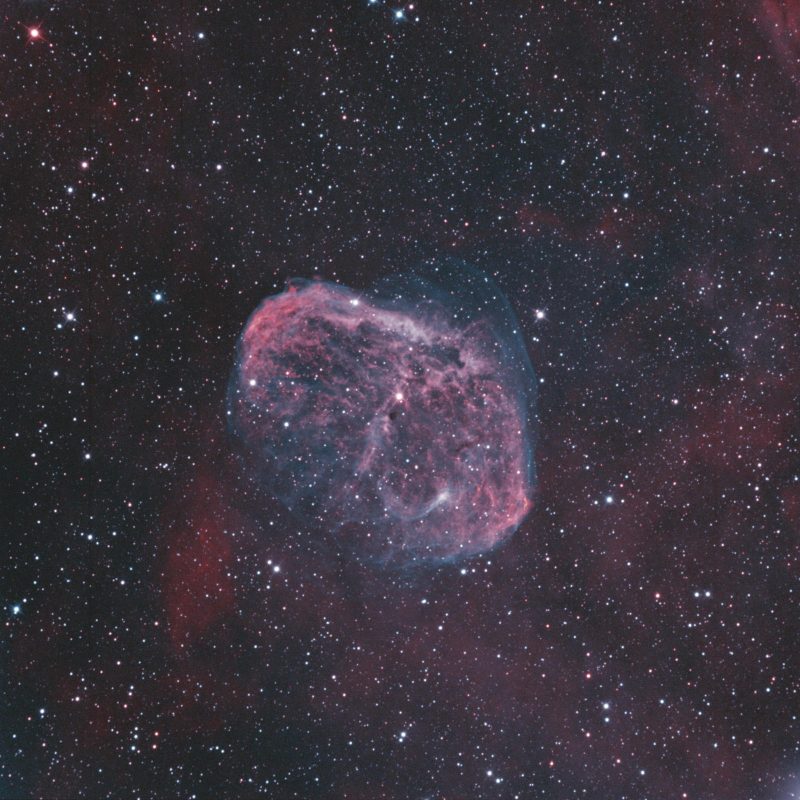
At a joint meeting of the European Planetary Science Congress (EPSC) and the Division for Planetary Sciences (DPS) in Helsinki, scientists from the Space Research Institute of the Austrian Academy…
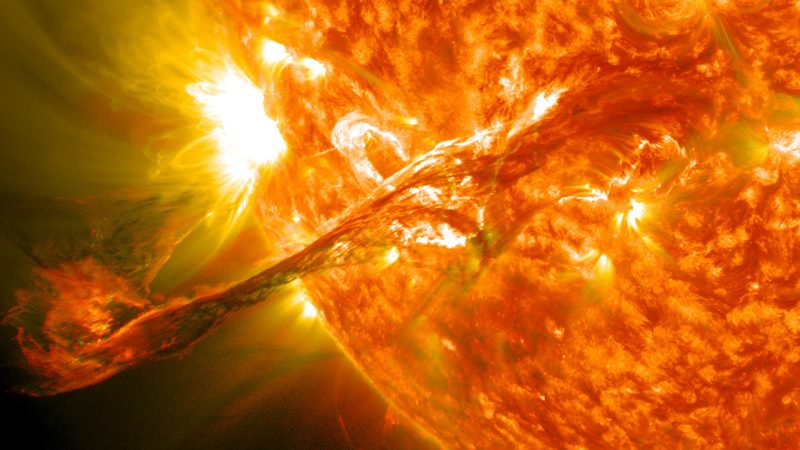
For decades, scientists have been puzzled by a strange solar phenomenon often called “solar rain.” Unlike rainfall on Earth, this occurs in the Sun's corona—a superheated plasma layer above its…
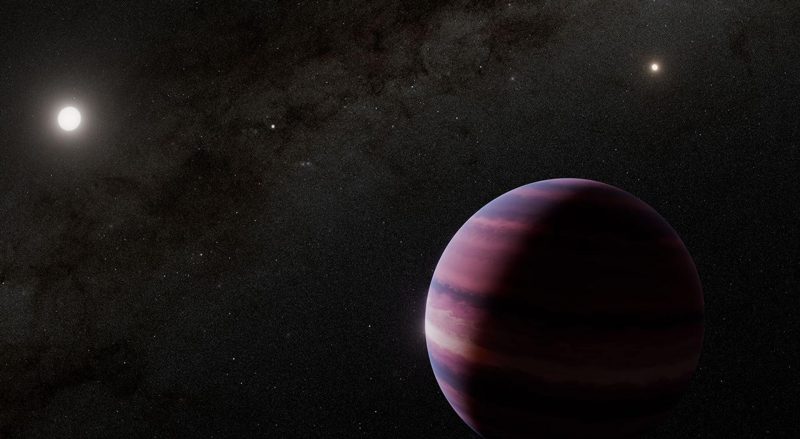
Astronomers may have detected a giant exoplanet orbiting Alpha Centauri A, a Sun-like star located about 4.3 light-years from Earth. The candidate planet lies within the star's habitable zone and…
Sunlight-Driven Device Recovers Ammonia from Wastewater for Fertilizer and Water Purification
As solar energy applications expand, scientists have developed a cost-effective technology that uses sunlight to recover ammonia from wastewater. The innovation, published in Nature Sustainability, offers a low-cost source of…
For the first time, astronomers have observed a planetary system in the earliest known stage of formation outside our solar system—a breakthrough that sheds new light on the origins of…