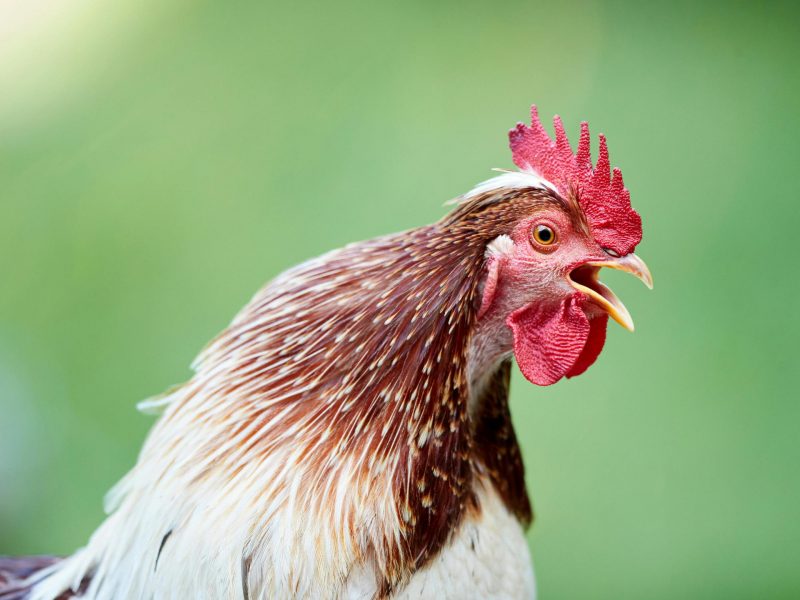
Many bird species display striking physical traits that distinguish males from females, such as the rooster's comb or the peacock's tail feathers. However, in species where the sexes look alike, DNA testing is often used to determine gender. A new study on Australian wild birds reveals that when gonadal, physical, and chromosomal sex do not align, traditional methods can lead to misclassification. Published in Biology Letters, the research suggests that “sex reversal” is far more common in wild birds than previously thought.
Sex chromosomes are typically assumed to determine an individual's sex, but specific genes on those chromosomes play the decisive role. For instance, in mammals, the SRY gene on the Y chromosome initiates male development; without it, even an XY individual may develop as female. In some species, such as fruit flies, zebrafish, and chickens, sexual characteristics are shaped by cell-specific gene expression rather than overall hormone levels—sometimes resulting in individuals with both male and female traits. Environmental factors, including temperature, can also influence sex development; for example, sea turtle eggs incubated at cooler temperatures hatch as males, while warmer conditions yield females.
To investigate the prevalence of sex reversal, researchers from the University of the Sunshine Coast examined and DNA-tested nearly 500 individuals from common Australian bird species. They found that 3%–6% showed sex reversal, most being genetically female with male reproductive organs. A smaller proportion were genetically male with ovaries, and one genetically male kookaburra even had an enlarged oviduct, indicating recent egg-laying.
This discovery has implications for endangered species conservation, as skewed sex ratios can affect reproduction. Although current rates may not threaten population survival, the findings highlight limitations in conventional DNA sexing techniques. Establishing baseline rates of sex reversal in wild birds could help scientists detect abnormal increases linked to environmental endocrine disruptors.
The researchers urge global studies to uncover the drivers of sex reversal and its effects on bird behavior, such as vocalization, and on population dynamics. Such research could shed light on the complex interplay between environment and development.
Widespread Sex Reversal Found in Wild Birds Challenges Traditional Gender Identification
Tags
A new study has revealed that the nematode Caenorhabditis elegans—a microscopic worm widely used in research—can pass longer lifespans to its offspring through epigenetic mechanisms, even when the descendants themselves…

Artificial intelligence (AI) is increasingly helping scientists decode how animals communicate and explore the possibility of dialogue across species. Recent studies show that species such as bonobos, chimpanzees, Japanese tits,…

The scientific community remains divided on whether Earth is currently undergoing a sixth mass extinction. A new study, published in PLOS Biology, analyzed extinction data from the International Union for…
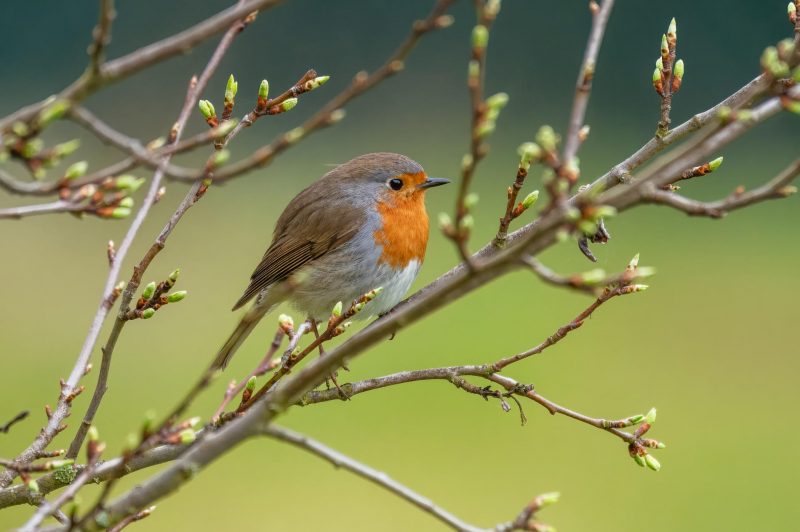
A new study published in Science reveals that artificial night lighting significantly prolongs daily birdsong, marking the first global-scale validation of this phenomenon. Researchers from Oklahoma State University and Southern Illinois…
Despite the Earth's diverse environments, a new international study led by Umeå University in Sweden has uncovered a striking global pattern in biodiversity: all terrestrial and marine bioregions share a…