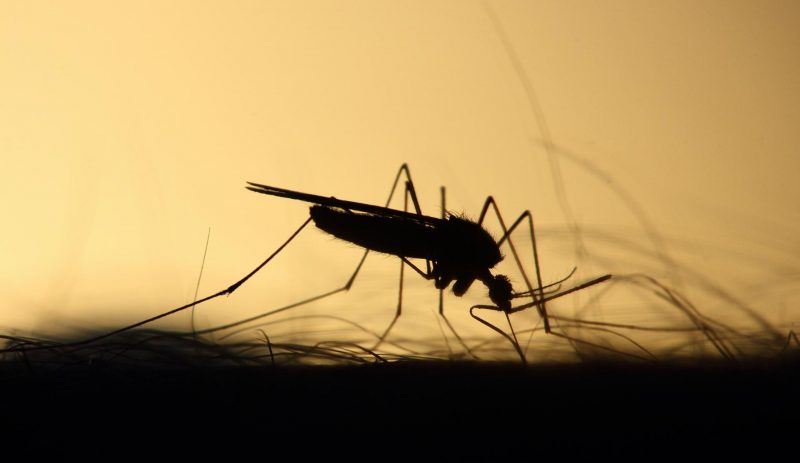
Aedes aegypti, one of the world’s most dangerous mosquito vectors, can transmit dozens of viral diseases, including yellow fever, dengue, Zika, and chikungunya. Its range, once limited to tropical and subtropical regions, has expanded into temperate zones under the combined influence of climate change and globalization, now threatening the health of nearly four billion people worldwide.
A major international study, recently published in Science, has reconstructed the evolutionary journey of Aedes aegypti from its African origins to its global invasion using large-scale genomic analysis. Researchers sequenced and compared the genomes of more than 1,200 mosquitoes collected from 73 locations across five continents.
The findings confirm that Aedes aegypti originated in African forest habitats, initially feeding on wild animals. Around 5,000 years ago, as the Sahara became increasingly arid, some populations adapted to human settlements, breeding in stored water containers and developing a preference for human blood. These “domesticated” mosquitoes later spread to the Americas via maritime trade and human migration.
Further analysis revealed that once established in the Americas, the species underwent crucial adaptive evolution. Unable to compete with native mosquitoes in natural ecosystems, they became fully dependent on human environments, evolving traits that allowed them to thrive in cities and breed in tiny water reservoirs such as tires and flowerpots. Strikingly, these behavioral shifts were driven by only a handful of genetic changes.
Notably, traits such as insecticide resistance that first emerged in the Americas have recently reappeared in Africa through hybridization with local populations. This genetic feedback may strengthen the mosquito's resilience and exacerbate the urban transmission of diseases like dengue in African cities.
Genomic Study Traces Aedes aegypti's Global Spread and Urban Adaptation
Tags
Balancing Lifesaving Antibiotics and Resistance Risks in Africa's Fight Against Child Mortality
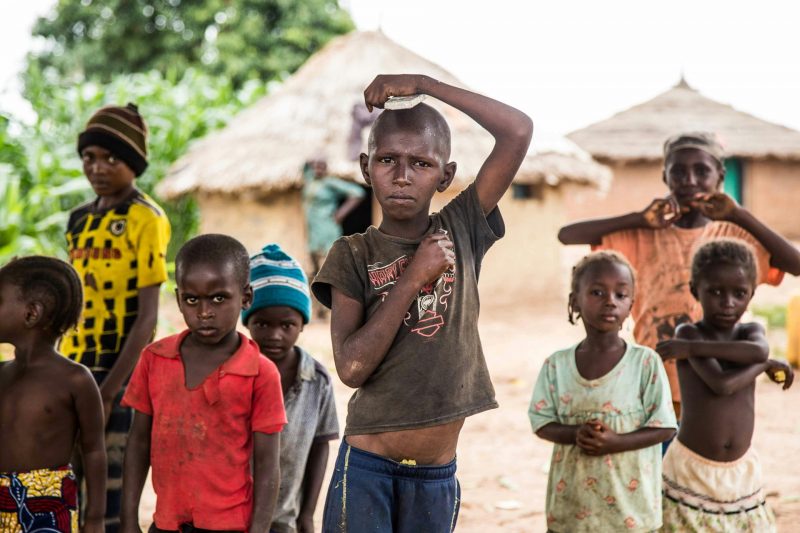
In parts of sub-Saharan Africa, child mortality remains alarmingly high—roughly one in ten children does not survive past the age of five. The main drivers include unsafe drinking water, malnutrition,…
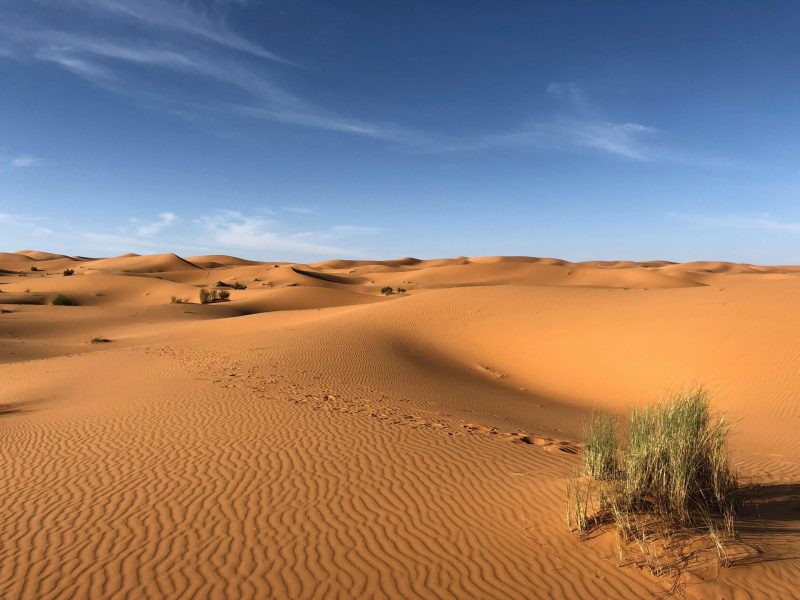
The Sahara Desert, one of the driest places on Earth with an average annual rainfall of just about three inches, may experience a striking transformation later this century. A new study…
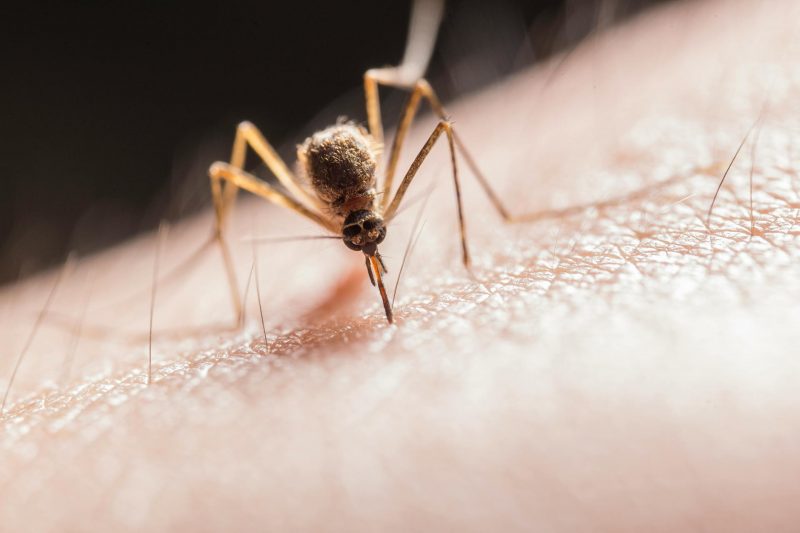
A new study published in The New England Journal of Medicine (NEJM) suggests that the antiparasitic drug ivermectin may reduce malaria transmission by making human blood toxic to mosquitoes. Conducted…
A research conducted at Pennsylvania State University in the United States suggests that under certain conditions, male mosquitoes may also exhibit a blood-sucking behavior similar to their female counterparts. This…
The Marburg virus outbreak in Rwanda last month has resulted in 63 confirmed cases and 15 deaths. Preliminary genomic evidence suggests that this outbreak originated from a pathogen jumping from…