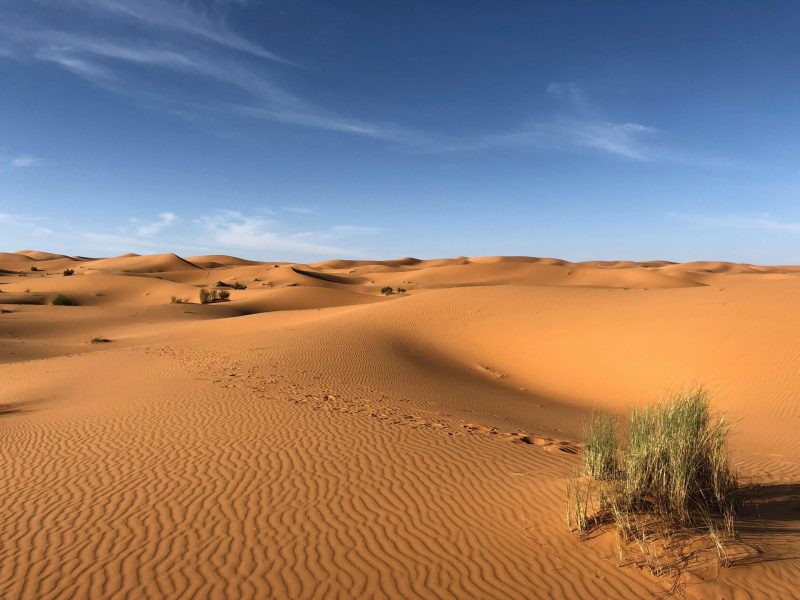
The Sahara Desert, one of the driest places on Earth with an average annual rainfall of just about three inches, may experience a striking transformation later this century.
A new study from the University of Illinois Chicago, published in npj Climate and Atmospheric Science (a journal under Nature), suggests that rainfall across the Sahara could increase by as much as 75% compared with historical averages by the second half of the 21st century. Similar upward trends are projected for southeastern and south-central Africa under extreme climate scenarios.
To assess these potential changes, researchers analyzed simulation data from 40 climate models, comparing conditions between 1965–2014 and 2050–2099 under varying greenhouse gas emission pathways.
The results indicate an overall increase in precipitation across Africa, though regional differences are pronounced: rainfall may rise by 75% in the Sahara, 25% in southeastern Africa, and 17% in south-central regions, while southwestern Africa could become even drier, with rainfall dropping by around 5%.
According to the team, these shifts are largely driven by a warmer atmosphere’s enhanced capacity to hold moisture and by changes in large-scale circulation patterns. While most models agree on a general "wetter" trend, the exact magnitude remains uncertain—highlighting the importance of improving climate models for more accurate future projections.
Sahara Desert May Become Wetter by Late 21st Century, Study Finds
Tags
Balancing Lifesaving Antibiotics and Resistance Risks in Africa's Fight Against Child Mortality
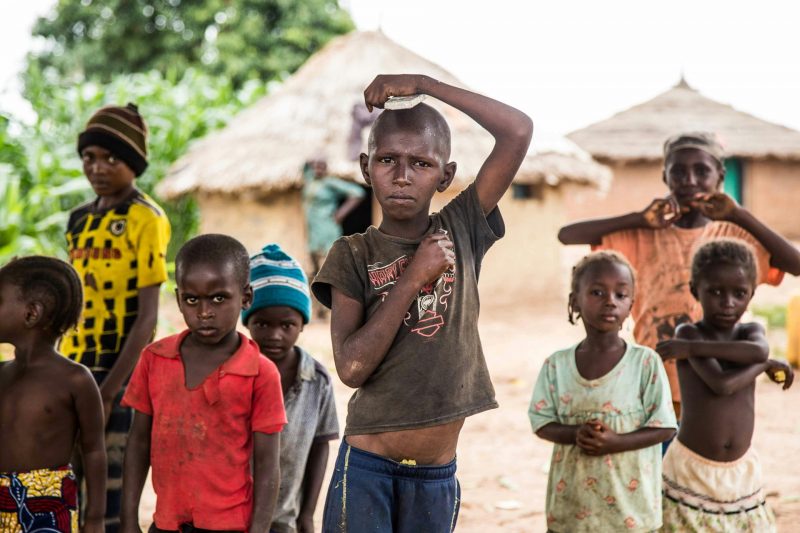
In parts of sub-Saharan Africa, child mortality remains alarmingly high—roughly one in ten children does not survive past the age of five. The main drivers include unsafe drinking water, malnutrition,…
A new study led by the University of Exeter warns that the world has crossed its first recognized climate "tipping point", as coral reef ecosystems enter a state of widespread…
A new study led by the University of Reading challenges long-held assumptions about primate origins. For decades, scientists believed primates, including humans, emerged from warm, humid tropical forests. However, reanalysis…
A research team from The Hong Kong Polytechnic University has, for the first time, used Satellite Laser Ranging (SLR) technology to generate precise global records of ocean mass changes spanning…

Aedes aegypti, one of the world’s most dangerous mosquito vectors, can transmit dozens of viral diseases, including yellow fever, dengue, Zika, and chikungunya. Its range, once limited to tropical and…