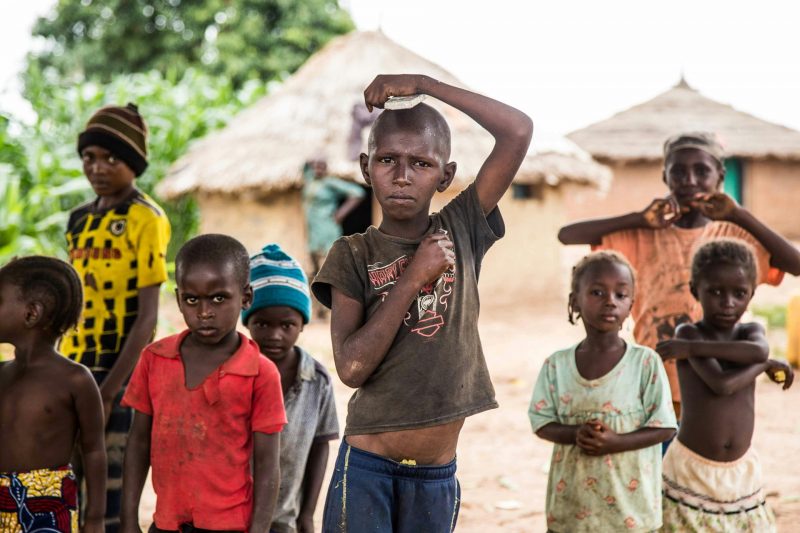
In parts of sub-Saharan Africa, child mortality remains alarmingly high—roughly one in ten children does not survive past the age of five. The main drivers include unsafe drinking water, malnutrition, malaria, and a lack of basic healthcare infrastructure.
In recent years, a simple public health intervention has shown remarkable promise: administering the antibiotic azithromycin to children twice a year. Clinical studies indicate that this approach can reduce child mortality by about 15%, with the strongest benefits observed among infants. In response, the World Health Organization (WHO) issued guidelines in 2020 recommending the measure for infants aged 1–11 months in high-mortality regions, while stressing the importance of monitoring antibiotic resistance.
Azithromycin, a broad-spectrum antibiotic, not only treats bacterial infections but also inhibits the replication of malaria parasites. In Ethiopia, researchers first noticed a nearly 50% drop in child deaths among communities receiving the drug. Subsequent studies across three countries confirmed that regular administration to children aged 1–59 months could reduce mortality by 13.5%.
Despite these encouraging results, experts warn that the widespread use of antibiotics carries serious risks. Surveillance data reveal rising antibiotic resistance genes and even cross-community transmission in mass-treatment areas. Some scientists argue that resistance can be reversible and note that most programs now include resistance monitoring. However, losing the effectiveness of azithromycin—a vital drug in resource-poor regions such as West Africa—could have devastating consequences.
Researchers emphasize that sustainable progress in child health will require more than drug-based interventions. Persistent reliance on mass medication highlights deeper gaps in access to clean water, adequate nutrition, and vaccination. Striking a balance between saving lives today and safeguarding public health for the future has become a critical global challenge.
Balancing Lifesaving Antibiotics and Resistance Risks in Africa's Fight Against Child Mortality
Tags
The Sahara Desert, one of the driest places on Earth with an average annual rainfall of just about three inches, may experience a striking transformation later this century. A new study…

Aedes aegypti, one of the world’s most dangerous mosquito vectors, can transmit dozens of viral diseases, including yellow fever, dengue, Zika, and chikungunya. Its range, once limited to tropical and…
A study published in the American Journal of Preventive Medicine has found that walking briskly for just 15 minutes a day can reduce all-cause mortality by nearly 20%. In contrast,…

A recent study from the Friedman School of Nutrition Science and Policy at Tufts University suggests that drinking 1 to 2 cups of caffeinated coffee per day may lower the…

Halting Water Fluoridation Linked to Worsening Children's Dental Health in Calgary and Juneau
The cities of Calgary, Canada, and Juneau, Alaska, both ceased adding fluoride to their public water supplies—decisions that subsequent studies have shown to significantly impact children's oral health. After Calgary discontinued…