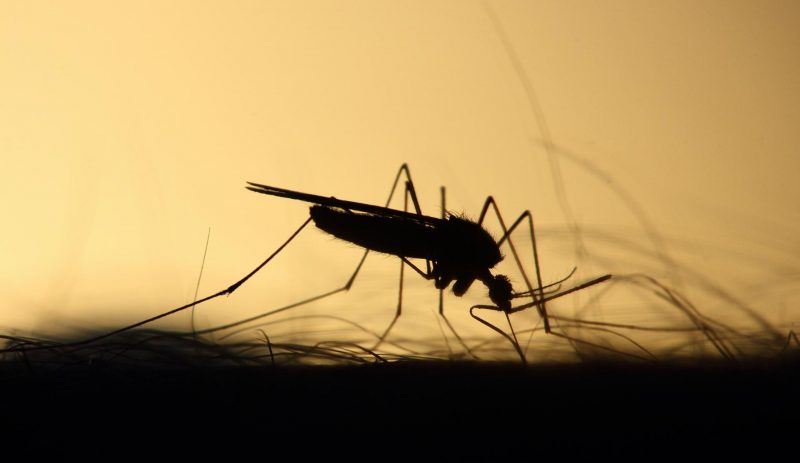
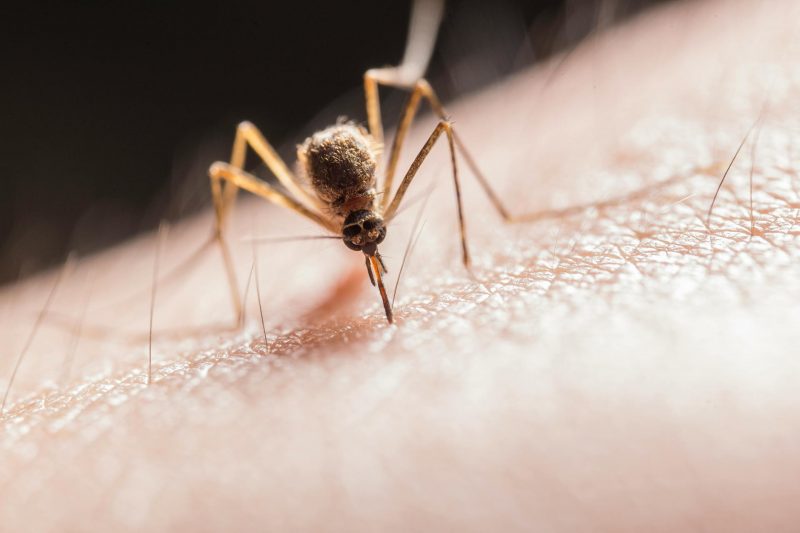
A research conducted at Pennsylvania State University in the United States suggests that under certain conditions, male mosquitoes may also exhibit a blood-sucking behavior similar to their female counterparts. This challenges the conventional belief that only female mosquitoes bite, feed on blood, and transmit diseases, while male mosquitoes solely feed on nectar.
This discovery indicates that male mosquitoes are not entirely harmless and may play a role in disease transmission.
According to a report recently submitted to the preprint website bioRxiv.org, male Culex tarsalis and Aedes aegypti mosquitoes, which typically show no interest in blood, were observed to feed on blood in conditions of low humidity and when deprived of access to sugar.
A previous research paper suggested that blood is toxic to male Culex quinquefasciatus mosquitoes, leading scientists to believe that all male mosquitoes lack the ability to digest blood. However, in the latest experiments, the lifespan of blood-fed male Culex tarsalis mosquitoes was comparable to that of non-blood-fed males, and in some cases, even slightly longer.
In the natural environment, Aedes aegypti is a primary vector for diseases such as yellow fever, Zika virus, chikungunya, and dengue fever. Female Culex tarsalis mosquitoes can transmit diseases like West Nile virus and St. Louis encephalitis. Researchers found that male Culex tarsalis mosquitoes could become infected with the West Nile virus and, like females, could produce infectious virus in their saliva.
Researchers suspect that male mosquitoes may play a significant role in disease transmission, but they emphasize the need to reassess the notion that male mosquitoes do not feed on blood and to investigate whether male mosquitoes can transmit viruses in very rare circumstances.
Research Reveals Male Mosquitoes' Potential Role in Disease Transmission
Tags
As the world focuses on the deadly H5N1 bird flu, another avian influenza virus—H9N2—is quietly gaining new abilities. Once considered a mild strain limited to birds, H9N2 is showing signs…

Aedes aegypti, one of the world’s most dangerous mosquito vectors, can transmit dozens of viral diseases, including yellow fever, dengue, Zika, and chikungunya. Its range, once limited to tropical and…
A new study published in Nature suggests that replenishing lithium in the brain may prevent, and potentially reverse, Alzheimer's disease. By examining human brain tissue and conducting mouse experiments, researchers…

A new study published in The New England Journal of Medicine (NEJM) suggests that the antiparasitic drug ivermectin may reduce malaria transmission by making human blood toxic to mosquitoes. Conducted…
From low-carb ice creams and keto protein bars to sugar-free beverages, the sweetener erythritol has become a staple in many food products. However, new research suggests this widely used sugar…

A study involving nearly 3,000 adults across four countries has found that the widely observed link between chronic inflammation and aging in industrialized societies does not appear in certain Indigenous…