A new study published in The New England Journal of Medicine (NEJM) suggests that the antiparasitic drug ivermectin may reduce malaria transmission by making human blood toxic to mosquitoes. Conducted in Kenya and involving 84 household clusters, the trial found that children in communities receiving ivermectin experienced a 26% reduction in malaria incidence. The research was led by a team from the University of Navarra in Spain.
Ivermectin has long been used to treat onchocerciasis and lymphatic filariasis, with previous evidence supporting its insecticidal properties. A 2010 study showed significantly increased mosquito mortality after feeding on blood containing the drug. However, earlier large-scale trials in Burkina Faso and Guinea-Bissau failed to demonstrate significant reductions in malaria cases, often due to flawed design or external disruptions such as natural disasters.
The Kenyan trial improved upon past approaches by timing drug distribution to coincide with peak mosquito season and achieving higher coverage. Researchers noted that efficacy might be enhanced through dose adjustments or long-acting formulations. The intervention could also reduce the burden of other parasitic conditions like scabies and head lice. Nevertheless, ivermectin cannot currently be used in pregnant women or young children, limiting its broader applicability.
Despite encouraging findings, experts caution that a 26% reduction may have limited public health impact. The World Health Organization (WHO) has not endorsed this method, citing the need for at least two high-quality trials to confirm effectiveness. Researchers at Harvard emphasize the importance of improved study design in future trials to further evaluate ivermectin’s potential role in malaria control.
Ivermectin Shows Modest Impact in Reducing Malaria Risk by Targeting Mosquito Vectors
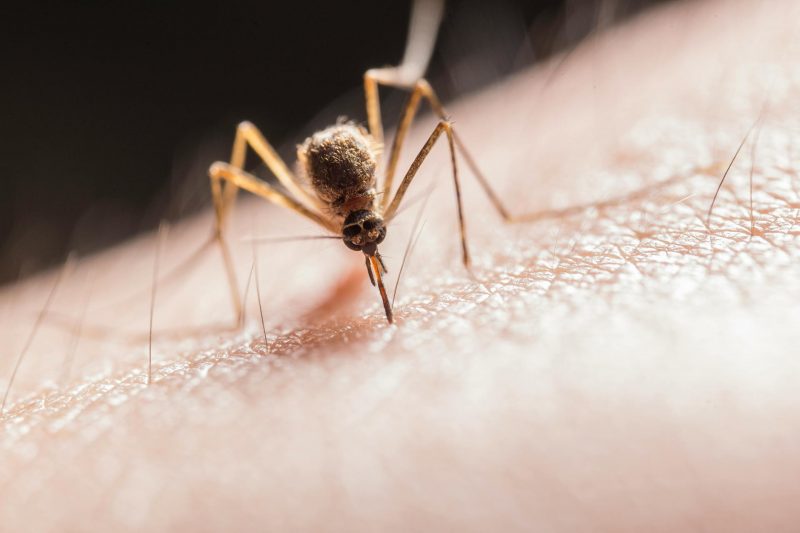
Tags
Aedes aegypti, one of the world’s most dangerous mosquito vectors, can transmit dozens of viral diseases, including yellow fever, dengue, Zika, and chikungunya. Its range, once limited to tropical and…
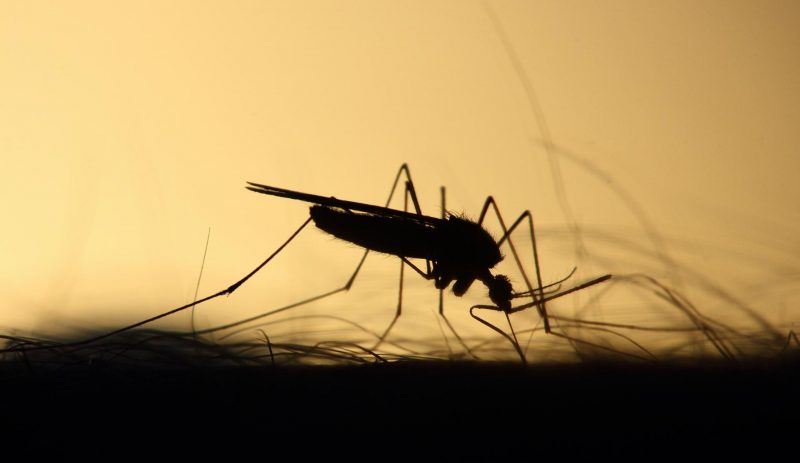
A research conducted at Pennsylvania State University in the United States suggests that under certain conditions, male mosquitoes may also exhibit a blood-sucking behavior similar to their female counterparts. This…
Scientists at the University of California, Santa Barbara have made a groundbreaking discovery regarding the behavior of the Aedes aegypti mosquito. Apart from utilizing other cues, these mosquitoes also employ…
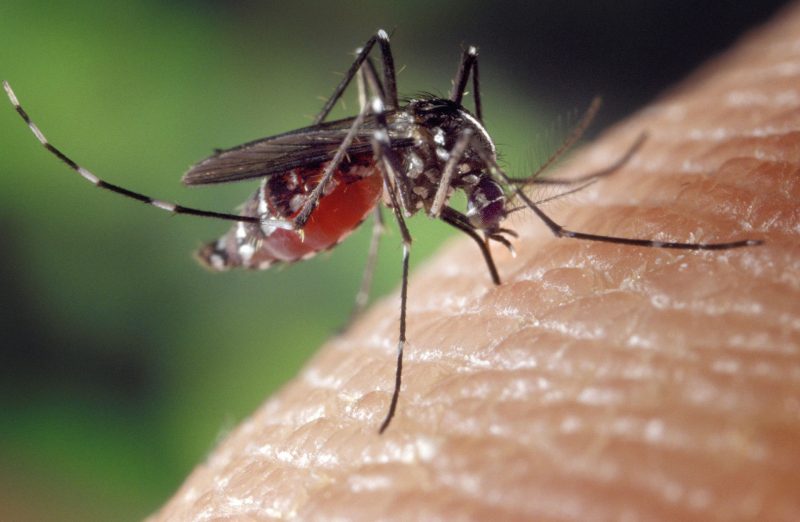
Summer is here, and it's time to prepare ourselves for the battle against mosquitoes. Sanitation Standing water and clogged sinks are breeding grounds for mosquitoes, because they lay eggs in standing water…
Mosquitoes are one of the most common insects found all over the world. They are known for their ability to fly in all types of weather conditions. Can mosquitoes avoid raindrops? No,…