Sunglasses are not only a trendy accessory, but also a necessity for maintaining good eye health and comfort. Exposure to the sun's harmful UV rays can cause long-term damage to the eyes, including cataracts, macular degeneration, and even eye cancer. Wearing sunglasses that block 100% of UVA and UVB rays can help reduce the risk of these conditions.
Besides protecting against UV rays, sunglasses also offer protection against wind, dust, and sand, which can cause discomfort, irritation, and damage to the eyes. What's more, sunglasses can help reduce glare, allowing for clearer vision and improved visibility when engaging in outdoor activities such as driving, sports, and water activities.
For individuals who have undergone eye surgery or experience migraines, wearing sunglasses can provide much-needed comfort and reduce sensitivity to light. It is essential to wear sunglasses every day, all year round, and invest in high-quality ones that offer the necessary protection and durability. When choosing sunglasses, consider the shape, size, and lens color that will best suit your needs and style.
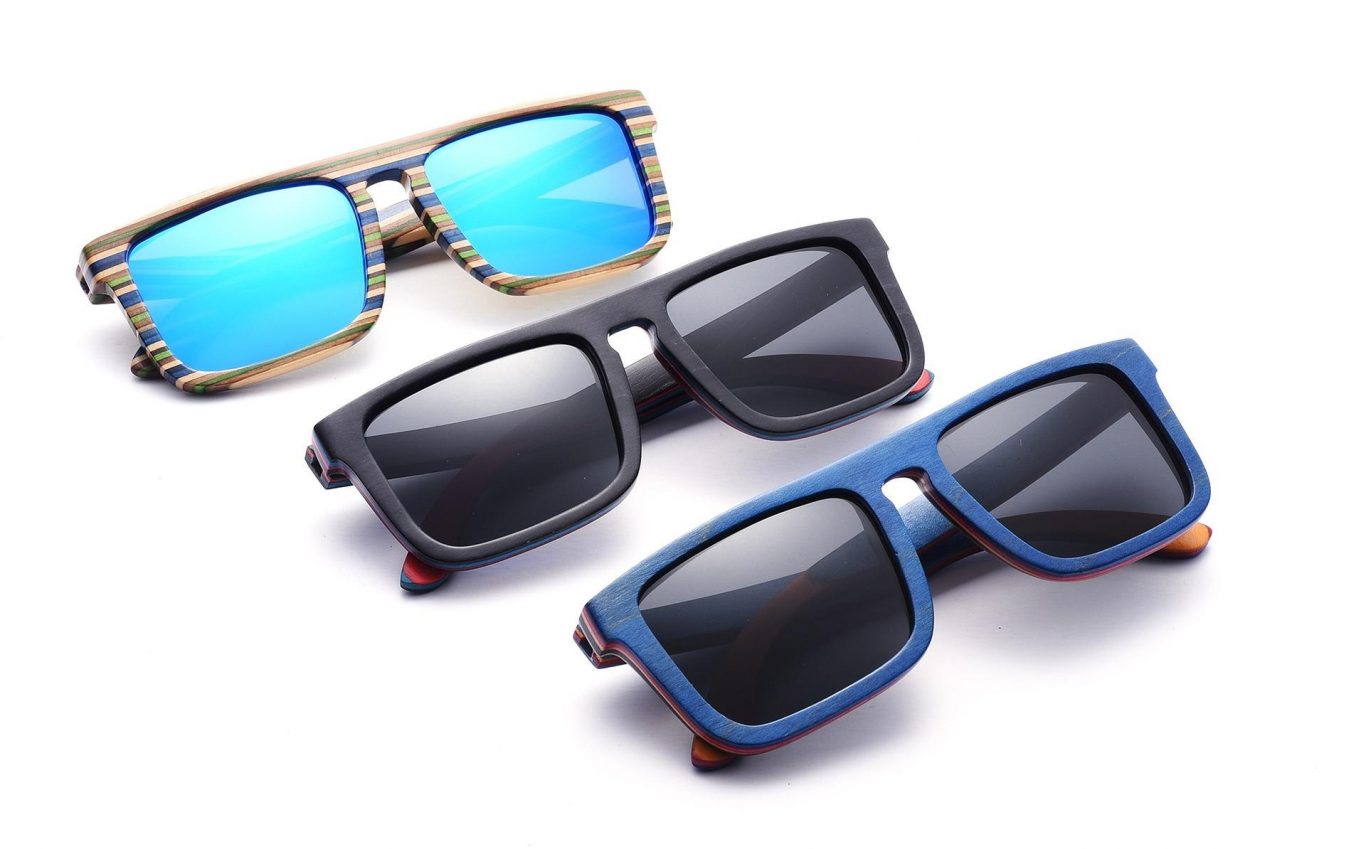 Image Credit: Ruibing Qin
Sunglasses may not be suitable for glaucoma patients and young children for the following risks and considerations.
Glaucoma patients should be cautious when wearing sunglasses, because it may hinder the circulation of aqueous humor in the eyes and increase the risk of acute glaucoma attacks, resulting in symptoms such as red eyes, eye pain, headaches, nausea, vomiting, and vision impairment. Similarly, young children's visual function is still in a critical development stage, and wearing sunglasses for prolonged periods might impact their visual development.
Glaucoma patients and parents of young children should consult with their doctor or eye care provider before using sunglasses and follow their suggestions.
Sunglasses and Eye Health: Understanding the Benefits and Risks

Tags
Ultraviolet (UV) light is characterized by a shorter wavelength than visible light. The ability of people to see UV light depends on factors such as age and the presence of…
Human Influence on Dog Eye Color: Shaping the Perception and Evolution of Canine Companions
New research suggests that eye color may influence our perception of dogs and wolves, with implications for their domestication and relationship with humans. Published in "Royal Society Open Science" on…

Summer vacation is here, and children who have irregular lifestyles, lack outdoor activities, or engage in prolonged near-work activities are more susceptible to developing myopia or experiencing a worsening of…
Excessive noise not only damages human hearing, but affects vision. Sound waves transmitted to the ear are also transmitted to the visual system through the nervous system of the brain.…

Why you always close your eyes when you sneeze is an extremely interesting thing. Sneezing belongs to the body's own defensive respiratory reflex. During a sneeze, hundreds of muscles in the…