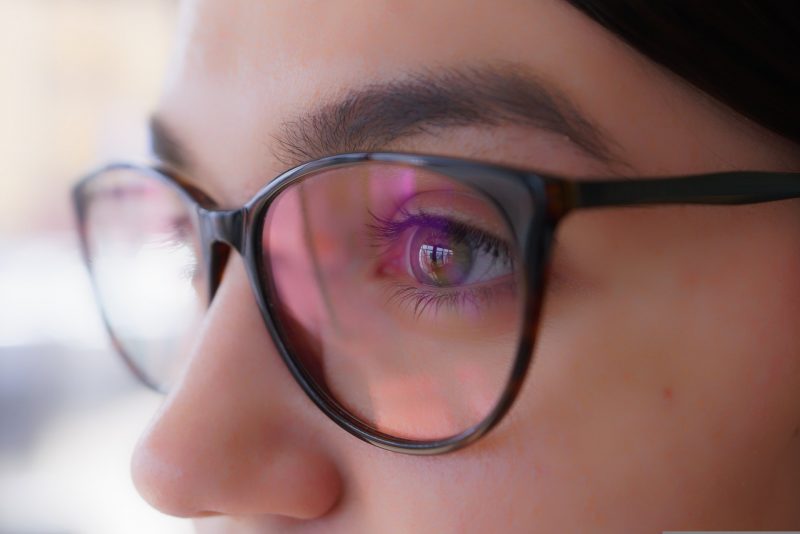
Excessive noise not only damages human hearing, but affects vision. Sound waves transmitted to the ear are also transmitted to the visual system through the nervous system of the brain. High noise levels can cause a decline in overall visual function and disrupt visual processes.
Excessive noise can affect eyesight in the following 4 ways:
1. Excessive noise can reduce the sensitivity of the eyes to light. At 90 decibels, the sensitivity of the rod cells in the retina gradually decreases, making it harder to perceive weak light. At 95 decibels, approximately 40% of people's pupils can become dilated, leading to increased sensitivity to bright light and discomfort. At around 115 decibels, the ability of the eyes to adapt to changes in light brightness can decrease by more than 20%, leading to vision impairment. Prolonged exposure to high decibel levels can cause permanent damage to the retina and lead to vision loss.
2. Excessive noise can also reduce the stability of visual clarity. At 70 decibels, it can take at least 20 minutes for visual clarity to stabilize. At 85 decibels, it can take at least an hour for visual clarity to return to a stable state. Prolonged exposure to high levels of noise can lead to a decrease in visual acuity, making it harder to see fine details and distinguish between colors. This can affect activities such as reading, driving, and other visual tasks that require good visual acuity.
3. Excessive noise can cause the eyes to lose its symmetrical and balanced response to moving objects. Noise can stimulate and inhibit the nervous system, leading to a decrease in visual processing speed and accuracy. Prolonged exposure to noise in a noisy environment can also lead to neurasthenia, a condition characterized by fatigue, irritability, and emotional instability. For example, many flight attendants who work in noisy environments have reported a decrease in the sensitivity of their visual system to the symmetrical balance of moving objects, which can lead to a higher risk of accidents.
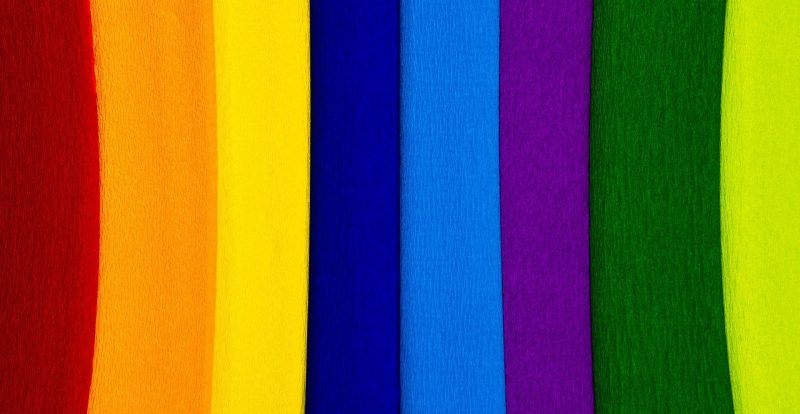
4. Excessive noise can also affect color vision, leading to abnormal color perception. Studies have shown that prolonged exposure to noise can cause a decrease in the ability to distinguish between colors and may affect the perception of hue and saturation. This can result in difficulty in identifying color-coded information or warning signals, which can be dangerous in certain situations.
0 decibel: a mosquito flying 10 feet away.
10 decibels: inside a very quiet room.
40-60 decibels: the sound of normal conversation.
50-53 decibels: the working sound of the washing machine.
60-80 decibels: a car passing 10 meters away.
110-140 decibels: jet engine 100 meters away.
120-130 decibels: the front row of a rock concert.
168 decibels: M1 Garand rifle fires 1 meter away.
175.8 decibels: 1 ton of TNT explodes 250 feet away.
Noise damage to vision is a common occurrence in our daily life. When reading in a noisy environment, the handwriting on the page can become increasingly unclear, making it harder to comprehend the text. Similarly, shopping in a noisy environment can lead to decision fatigue, confusion, and poor purchasing choices. Prolonged exposure to noise in daily life can also contribute to feelings of depression and anxiety. To protect visual health and overall well-being, it is important to avoid noisy environments as much as possible and take steps to reduce noise exposure in daily life.
Noise Impact on Vision: Sensitivity, Clarity, Color, and More
Tags
Vision loss is one of the most common effects of aging, which often makes it harder for older adults to read or see clearly in dim light. Now, scientists at…
Researchers have successfully enabled five participants to perceive a completely new color—beyond the natural range of human vision—by selectively activating specific retinal cells using advanced laser and tracking technology. This…
In most people's brains, auditory and visual senses work together. Auditory information influences the activity in the brain regions processing vision. However, researchers at the University of Glasgow in Scotland…
Ultraviolet (UV) light is characterized by a shorter wavelength than visible light. The ability of people to see UV light depends on factors such as age and the presence of…
Human Influence on Dog Eye Color: Shaping the Perception and Evolution of Canine Companions
New research suggests that eye color may influence our perception of dogs and wolves, with implications for their domestication and relationship with humans. Published in "Royal Society Open Science" on…

Summer vacation is here, and children who have irregular lifestyles, lack outdoor activities, or engage in prolonged near-work activities are more susceptible to developing myopia or experiencing a worsening of…