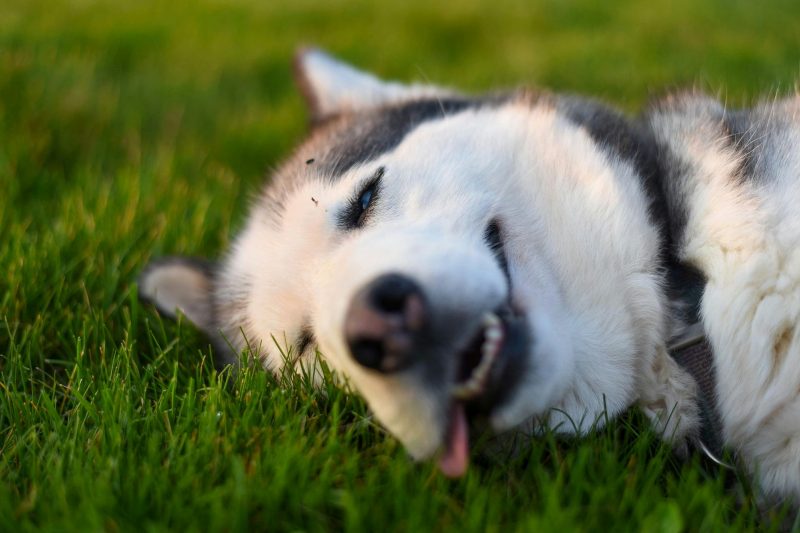
New research suggests that eye color may influence our perception of dogs and wolves, with implications for their domestication and relationship with humans. Published in "Royal Society Open Science" on December 20, the study sheds light on the preference for dark eyes in domestic dogs and its potential evolutionary advantage.s have played a significant role in shaping the characteristics of dogs since their domestication. Through selective breeding, dogs have been transformed into friendly, obedient, and useful companions. Humans have also influenced their physical appearance, including features such as large eyes and foreheads, which evoke a resemblance to human children. Consequently, dogs have not only become our partners but also our "furry children."
In the case of eye color, most wolves possess piercing yellow eyes, which aid in communication in the wild by making the size and direction of their pupils more distinct. This facilitates conveying information such as gaze direction and dominance. However, more than 90% of domestic dog breeds recognized by the American Kennel Club exhibit dark irises, despite their ancestral connection to wolves.
To investigate this phenomenon, Akitsugu Konno, a behavioral scientist at Teikyo University of Science in Japan, and his colleagues conducted a study. They edited photos of 33 dog breeds to alter the eye color, making them lighter or darker, and presented these images to 142 volunteers. The volunteers were then asked to rate the dogs based on traits like friendliness, aggression, maturity, and intelligence.
The findings revealed that when the dogs in the photos had dark eyes, the volunteers were more inclined to perceive them as friendly and rate them higher in categories such as sociability and non-aggression. Unlike their wild counterparts, dogs may have experienced an evolutionary advantage by possessing large, friendly, dark eyes that appeal to humans.
Konno suggests that humans favor darker eyes because they create the illusion of larger pupils. Larger pupils are associated with friendliness, a trait often found in human infants who naturally possess larger pupils than adults.
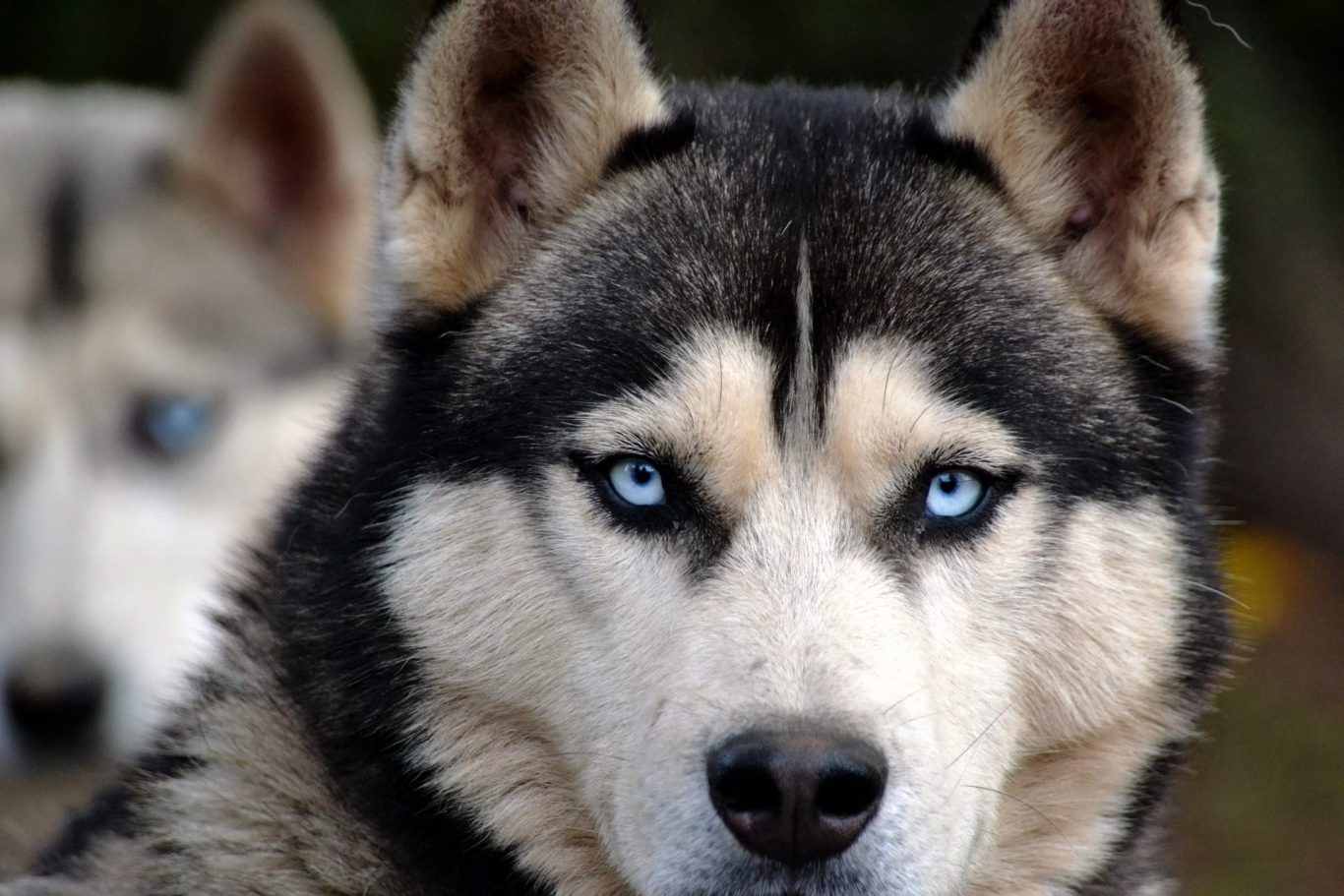 Image Credit: Martina P
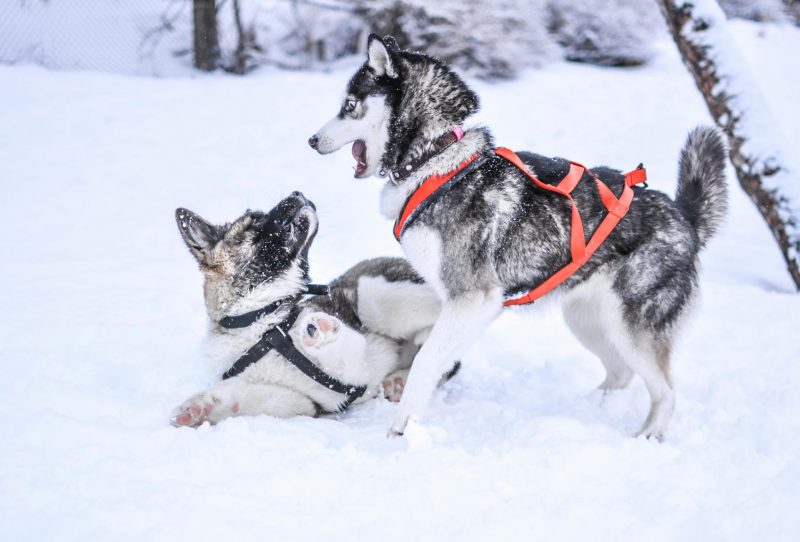
It is worth noting that certain dog breeds, such as Siberian Huskies, exhibit notable exceptions with piercing blue eyes. Konno suggests that Huskies may possess a closer visual anatomy and communication style to wolves compared to other dog breeds.
Jessica Hekman, a veterinarian and canine geneticist, acknowledges the compelling evidence indicating humans' preference for dark eyes in dogs. However, she emphasizes the need for further research to determine whether this preference is a recent phenomenon or if it dates back to the original domestication of dogs.
In conclusion, this research sheds light on the role eye color plays in our perception of dogs and wolves. It highlights the evolutionary advantage that dogs may have gained through possessing large, dark eyes, which humans find appealing and associate with friendliness. Further studies are required to deepen our understanding of the domestication process and the influence of humans on dog traits throughout history.
Human Influence on Dog Eye Color: Shaping the Perception and Evolution of Canine Companions
Tags
A research study published in Scientific Reports unveils an innovative screening method that combines dogs and artificial intelligence (AI) to detect cancer odors in patients' breath. The novel partnership proves…
Ancient Relationship Between Humans and Dogs in the Americas Unveiled by Recent Research
Recently published in the journal Science Advances, a study reveals that as early as around 12,000 years ago, humans in the Americas had already established a close relationship with the…
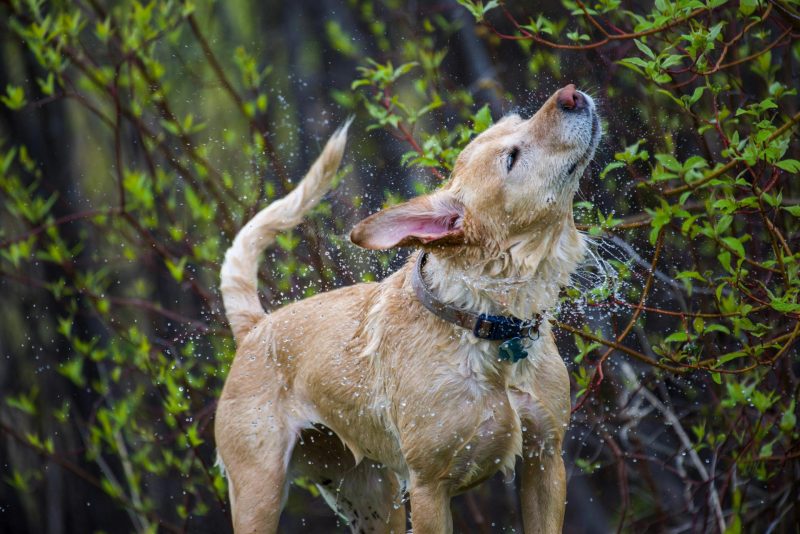
When a dog shakes off water from its fur, this action is not random or meant to intentionally wet those nearby. Many furry mammals exhibit this instinctive reflex, including rodents,…
Ultraviolet (UV) light is characterized by a shorter wavelength than visible light. The ability of people to see UV light depends on factors such as age and the presence of…

Researchers from the University of California, Riverside, have discovered that medium-sized dogs are more susceptible to cancer compared to the largest and smallest breeds. The study, recently published in the…