New research conducted at the University of Maryland in the United States reveals that the moon is gradually shrinking, similar to grapes drying up and turning into raisins. This process has led to the formation of wrinkles and faults on the lunar surface. The shrinking of the moon may have significant implications, including warping and seismic activity known as moonquakes, and could potentially pose a threat to future human exploration. The findings of this study were published in the "Journal of Planetary Science" on the 25th of January.
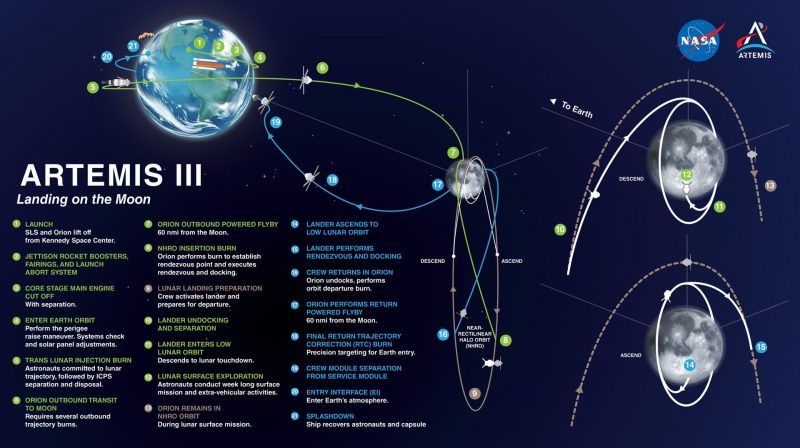
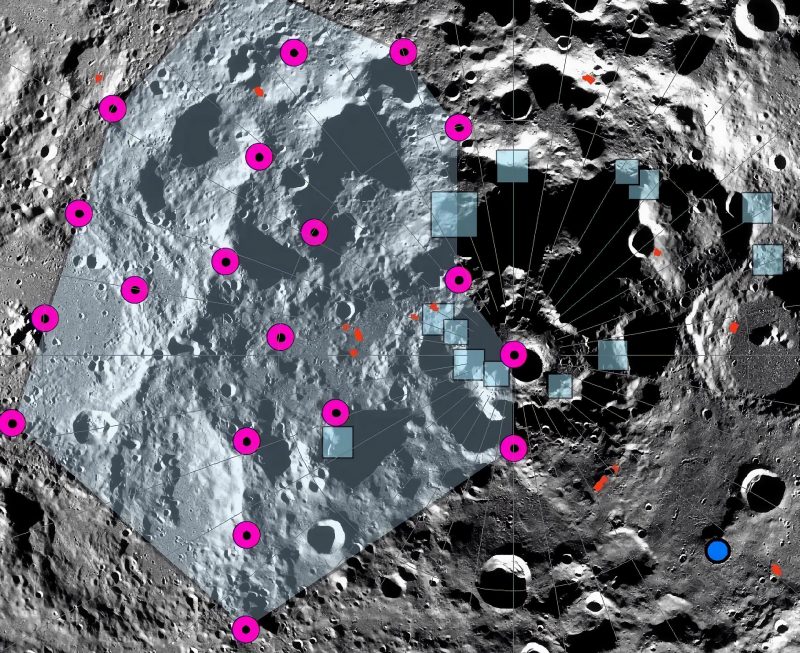
Over hundreds of millions of years, as the moon's core has cooled down, it has been gradually losing its size, with its circumference reducing by nearly 50 meters. In light of this discovery, the National Aeronautics and Space Administration (NASA) plans to launch the Artemis 3 mission, which aims to land humans on the moon. Scientists have recognized the importance of understanding the changes occurring on the moon, particularly in the south pole region, in order to assess the potential risks associated with lunar missions.
Observations from cameras aboard the Lunar Reconnaissance Orbiter have identified numerous new, relatively small thrust faults distributed widely across the lunar crust. These faults appear as cliff-like features, resembling small steps on the moon's surface. They are formed as a result of forces that cause the crust to break and push it in one direction or over other parts of the crust. This phenomenon is a consequence of both the cooling of the moon's interior and the tidal forces exerted by the Earth, leading to an overall shrinkage of the moon.
The formation of these faults has been accompanied by seismic activity in the form of shallow moonquakes. The Apollo Passive Seismic Network, which was deployed by Apollo astronauts over 50 years ago, recorded these shallow moonquakes. The most intense shallow moonquakes were primarily centered in the Antarctic region.
Unlike earthquakes on Earth, shallow moonquakes occur at depths of hundreds of kilometers below the lunar surface and can last for extended periods, sometimes stretching over hours. This prolonged seismic activity, combined with the moon's dry and gritty surface, increases the risk of landslides and structural damage to potential human settlements.
Based on models, it is suggested that slip events on existing faults or the formation of new thrust faults in the Antarctic region may generate strong ground shaking and trigger shallow moonquakes. When planning the location and stability of permanent outposts on the moon, it is crucial to consider the widespread distribution of these newer thrust faults, their potential for activity, and the possibility of additional thrust faults forming due to the ongoing contraction of the moon.
Shrinking Moon: Moonquakes and Faults Near Lunar South Pole
Tags
A new NASA study indicates that Saturn's largest moon, Titan, may host naturally forming primitive cell-like structures called vesicles within its liquid hydrocarbon lakes. The finding offers fresh insight into…
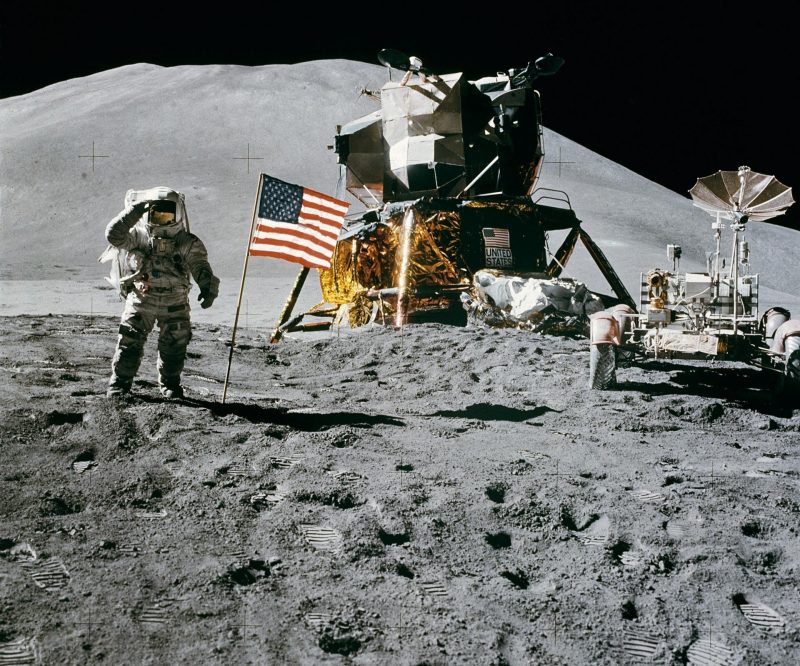
The race to land humans on the moon is heating up, with several countries, including the United States, vying for the distinction of being the first to achieve this feat.…
Astronomers use something called "surface brightness" to measure how bright an object appears in the sky. The Moon, being closer to Earth than the stars, appears brighter than the sky…

NASA has been working towards establishing a permanent human presence on the moon since the late 1950s, and their upcoming Artemis program aims to explore the lunar surface and establish…
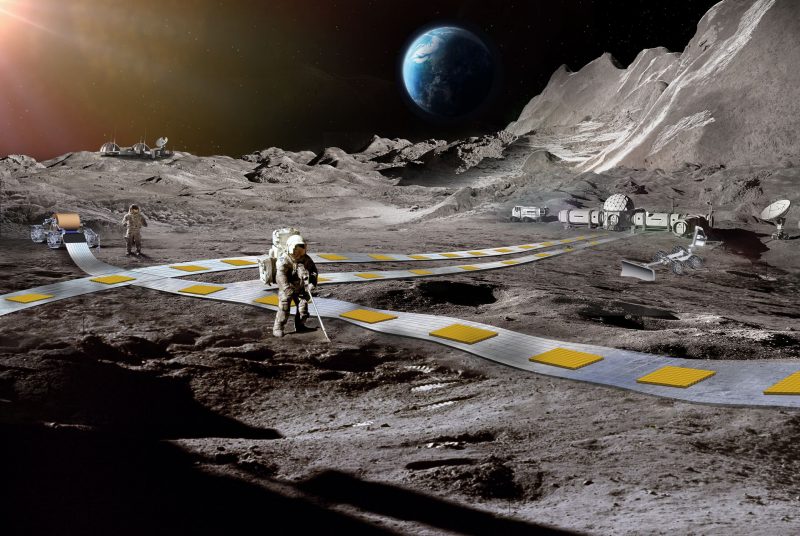
Kamo'oalewa, Earth's quasi-satellite, was previously believed to be a constituent of the asteroid belt. However, recent studies suggest that it is more likely to be debris ejected from the lunar…
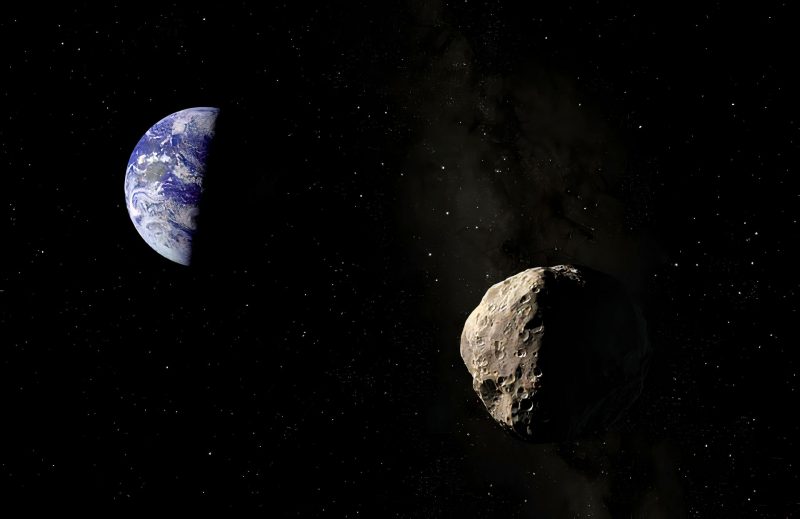
NASA recently unveiled the initial three scientific experiments planned for the Artemis III mission, which aims to pave the way for sustained human presence on the moon and prepare for…