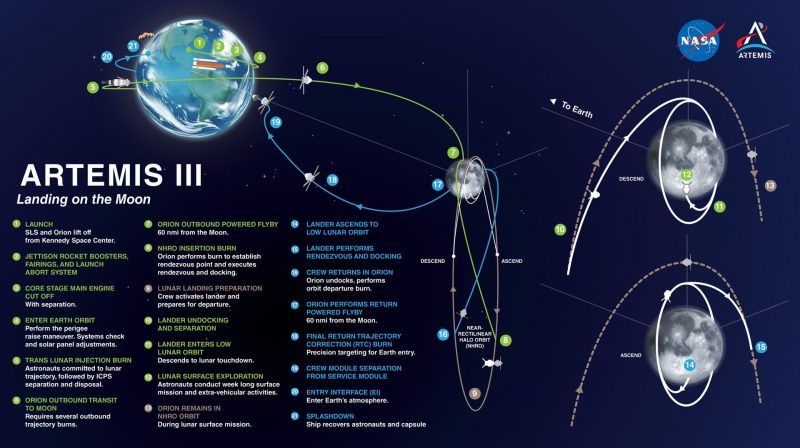
The race to land humans on the moon is heating up, with several countries, including the United States, vying for the distinction of being the first to achieve this feat. However, concerns have been raised about the potential implications of being the first to claim the moon, and whether it would hinder others from doing the same. Fortunately, there is an existing United Nations agreement that governs the ownership of celestial bodies, including the moon.
In the midst of resurgent global power dynamics, the competition for space exploration could potentially extend conflicts from Earth to the moon. Justin Holcomb, a geologist at the University of Kansas in the United States, has warned that our relationship with the moon is on the verge of undergoing a fundamental change. He argues that our laws pertaining to space exploration have not kept pace with the rapid advancements in this field.
Adding to the complexity, private companies are now actively participating in lunar exploration missions, competing with governments. Sa'id Mosteshar, director of the Space Policy and Law Institute in London, UK, explains that companies must obtain national permission to engage in space travel, and this permission is bound by international treaties.
The Outer Space Treaty, which came into effect on October 10, 1967, explicitly states that no country can claim ownership of the moon. According to this agreement, space "belongs to all mankind," and any space exploration must serve the interests of all nations and contribute to the well-being of humanity.
However, the Outer Space Treaty does not address the issue of lunar resource ownership. Despite the moon's seemingly desolate surface, it contains valuable minerals such as rare earths, iron, and titanium, which are extensively used in various industries, including superconductors and medical equipment.
Under an international treaty signed in 1979, no country or organization can lay claim to lunar resources. Regrettably, this treaty has not garnered widespread support, as only 17 countries have ratified it, and none of them have successfully landed humans on the moon or have immediate plans to do so. In 2015, the United States passed a law allowing its citizens and businesses to collect, utilize, and sell space materials.
As the race to the moon intensifies, it is essential for countries and international organizations to address the issue of lunar resource ownership in a collaborative and inclusive manner. The exploitation of these resources should be guided by principles of equity, sustainability, and the common benefit of all nations. Only through international cooperation and the development of comprehensive legal frameworks can we ensure the responsible and equitable exploration and utilization of the moon's resources for the betterment of humanity as a whole.
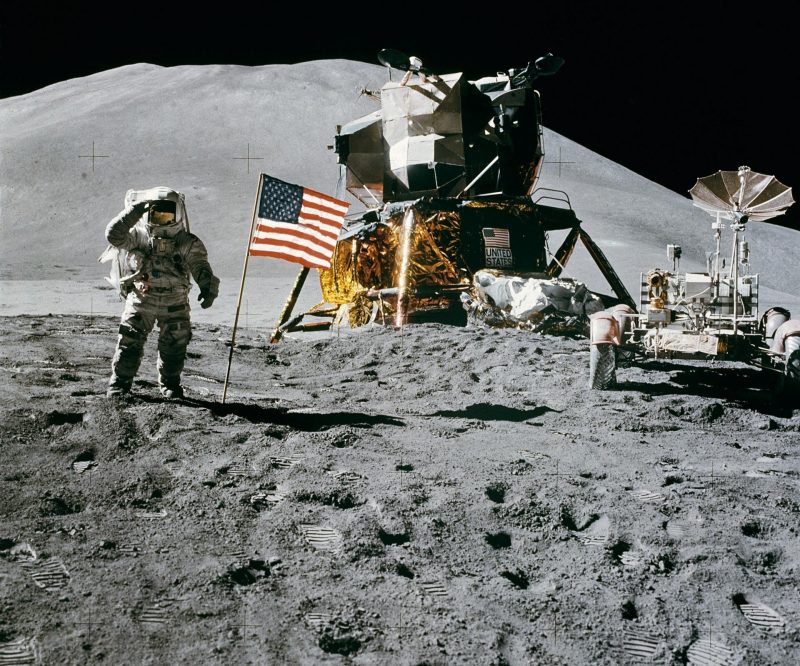
Tags
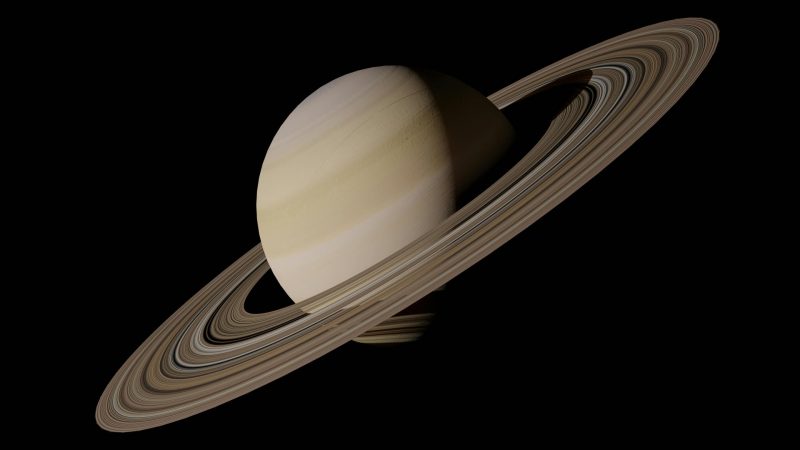
A new NASA study indicates that Saturn's largest moon, Titan, may host naturally forming primitive cell-like structures called vesicles within its liquid hydrocarbon lakes. The finding offers fresh insight into…
Astronomers use something called "surface brightness" to measure how bright an object appears in the sky. The Moon, being closer to Earth than the stars, appears brighter than the sky…

NASA has been working towards establishing a permanent human presence on the moon since the late 1950s, and their upcoming Artemis program aims to explore the lunar surface and establish…
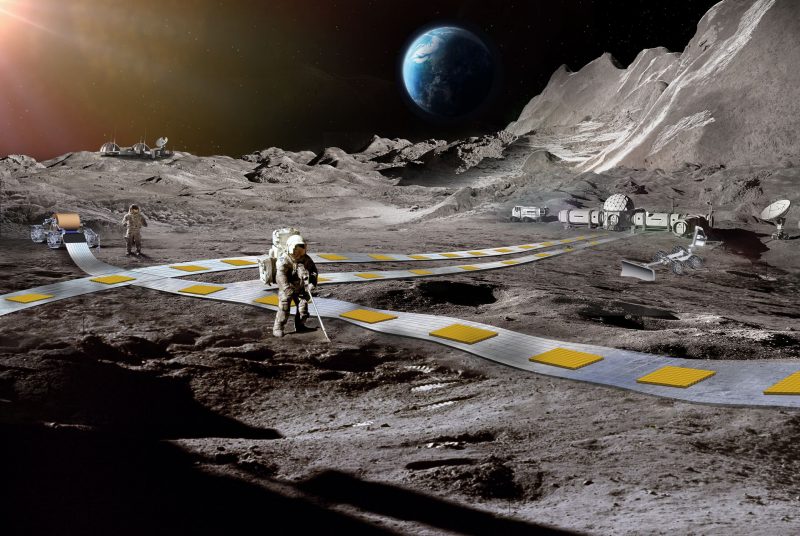
Kamo'oalewa, Earth's quasi-satellite, was previously believed to be a constituent of the asteroid belt. However, recent studies suggest that it is more likely to be debris ejected from the lunar…
NASA recently unveiled the initial three scientific experiments planned for the Artemis III mission, which aims to pave the way for sustained human presence on the moon and prepare for…