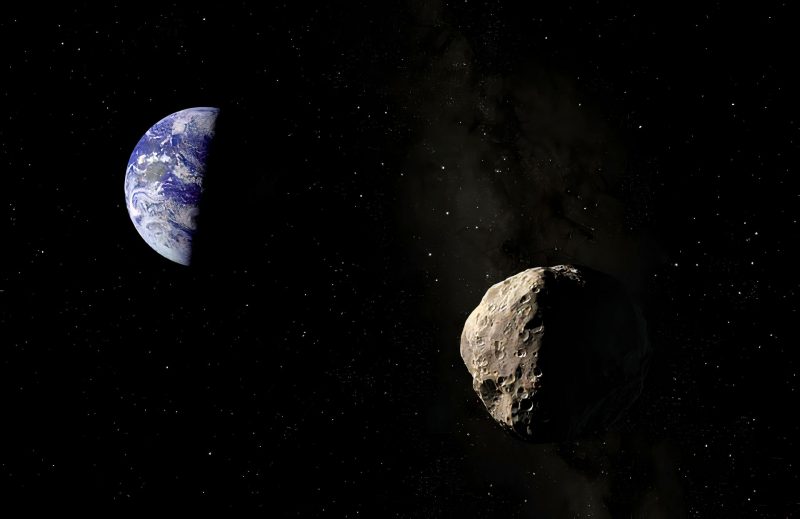
Kamo'oalewa, Earth's quasi-satellite, was previously believed to be a constituent of the asteroid belt. However, recent studies suggest that it is more likely to be debris ejected from the lunar surface following an asteroid impact.
Kamo'oalewa maintains a synchronized orbit with Earth around the sun, and its unusually rapid rotation distinguishes it from typical asteroids. In 2021, researchers discovered that the composition of Kamo'oalewa closely resembles lunar surface rocks, leading to speculation about its lunar origin.
A recent investigation led by Patrick Michel, a senior researcher at France's National Center for Scientific Research (CNRS), has established a connection between Kamo'oalewa and the Giordano Bruno crater on the moon. By employing computer models to simulate impact events, considering factors such as size, velocity distribution, and dynamics of the ejected material, the team demonstrated that some of the ejected fragments could attain a 1:1 orbital resonance with Earth. This finding aligns with the orbital characteristics observed in Kamo'oalewa.
The research conducted by Michel and his team provides further substantiation for the hypothesis that Kamo'oalewa originated from the moon.
Earth's Quasi-Satellite Kamo'oalewa Likely Originated from Lunar Impact
Tags
When earthquakes strike, the ground shaking people feel accounts for only a small fraction of the total energy released. Researchers at the Massachusetts Institute of Technology (MIT) have now shown…

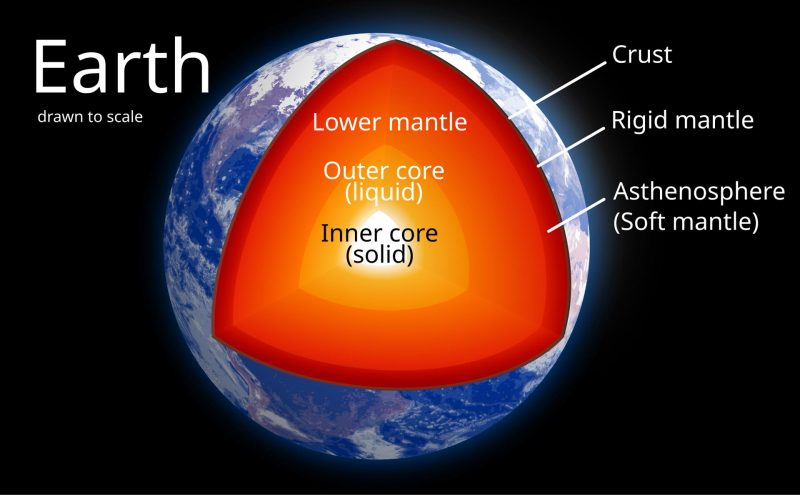
Scientists analyzing satellite data have uncovered a mysterious material disturbance near Earth’s core–mantle boundary that occurred between 2006 and 2008. The anomaly, recently detected by the US–German "Gravity Recovery and…
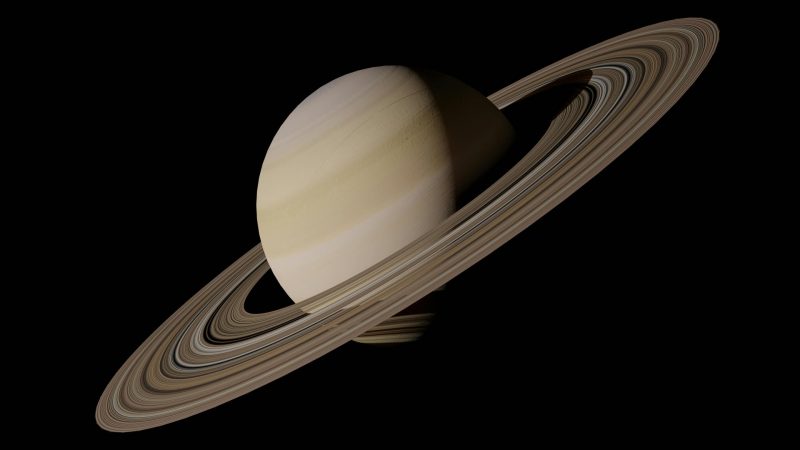
A new NASA study indicates that Saturn's largest moon, Titan, may host naturally forming primitive cell-like structures called vesicles within its liquid hydrocarbon lakes. The finding offers fresh insight into…
How did life arise from nothing? A new mathematical study offers a surprising perspective on this ultimate question. Researchers at Imperial College London suggest that the probability of life naturally…
Despite their simple structure, mosses are capable of surviving in some of Earth's most extreme environments, such as Antarctica, deserts, and high mountains. Now, researchers from Hokkaido University in Japan…

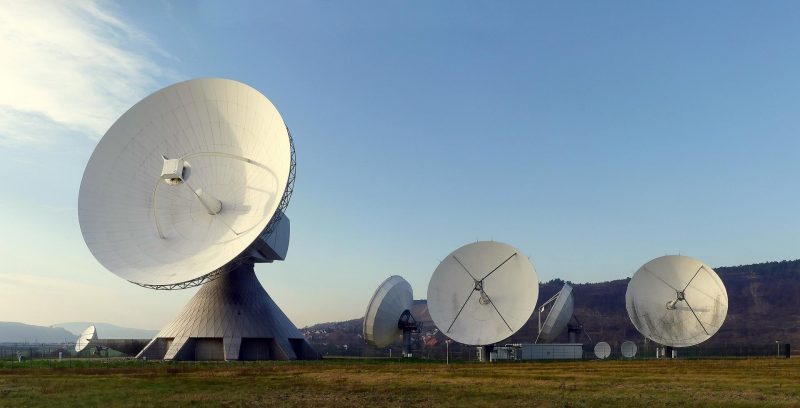
A new study reveals that Earth's civil and military radar systems may be inadvertently transmitting signals into space that could be detected by alien civilizations. These unintended electromagnetic emissions—especially from…