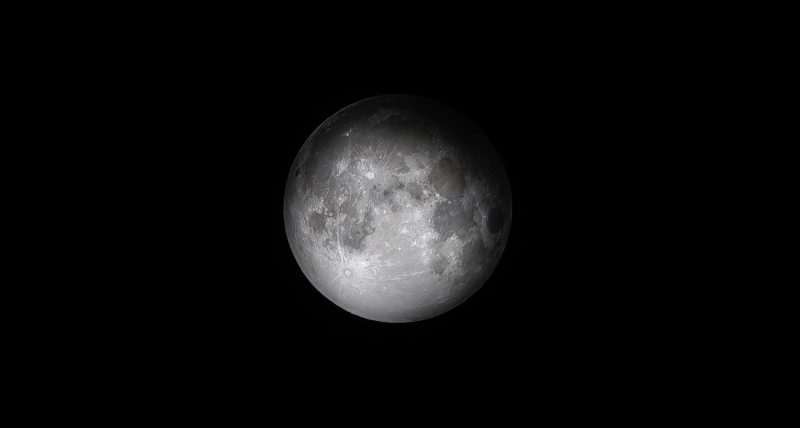
A study published in Geochemical Perspectives Letters on October 23 has revealed that the Moon is actually 40 million years older than previously estimated, indicating that it formed at least 4.46 billion years ago.
The question of the Moon's origin has long intrigued scientists. Some propose that during the early stages of the solar system's evolution, a planet the size of Mars collided with Earth, causing ejected material to orbit Earth and eventually coalesce into the Moon.
During the Moon's surface cooling and solidification, zircon crystals may have formed. These crystals, containing radioactive uranium that decays into lead at a predictable rate, enable scientists to determine the age of lunar rock samples by measuring their uranium and lead content.
Professor Philipp Heck from the University of Chicago, one of the paper's authors, and his team employed atom probe tomography to reanalyze zircon crystals retrieved from the Moon during the Apollo 17 mission in 1972. Their findings indicate that these zircons have a history of 4.46 billion years.
Heck explained that by establishing the history of zircons, they can now determine the approximate time when magma solidified on the Moon's surface, which serves as a fundamental anchor for lunar chronology.
In 2021, Heck's team used a mass spectrometer to analyze a lunar rock sample, which suggested its antiquity. However, the technology at the time couldn't ascertain whether the lead present in the sample originated from radioactive decay or accidental contamination.
Now, advancements like atom probe tomography allow for precise analysis of atomic composition and positions, assisting in verifying that the lead in lunar rock samples indeed resulted from radioactive decay. Researchers employed a laser to evaporate atoms from the surface of a crystal, which had been sharpened into a fine "nanoscale tip," enabling the measurement of the uranium-to-lead atom ratio.
Mahesh Anand, a professor at the Open University in the UK who was not involved in this study, remarked that the solar system formed approximately 4.57 billion years ago, providing a reasonably accurate time frame for determining the Moon's formation.
Anand noted that previous research indicated the specific impact responsible for the Moon's formation occurred 50 million years after the solar system's formation. Thus, this study offers a narrow window of around 50 million years for the Moon's formation and solidification, suggesting a rapid process.
Moon's Age Revised: New Study Reveals It's 40 Million Years Older
Tags
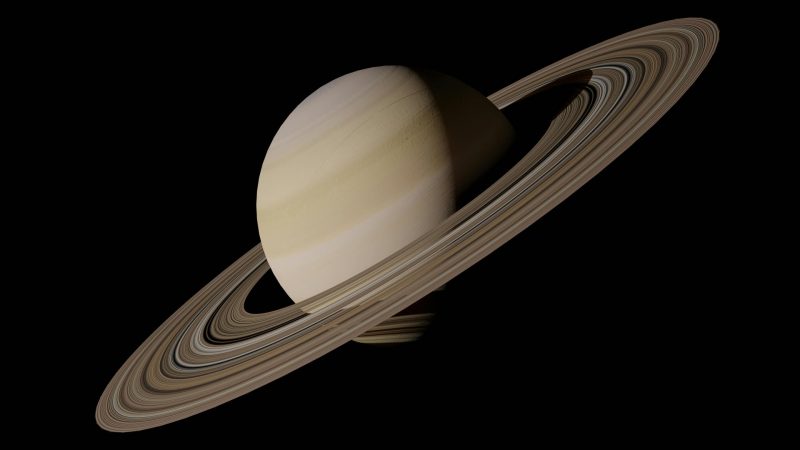
A new NASA study indicates that Saturn's largest moon, Titan, may host naturally forming primitive cell-like structures called vesicles within its liquid hydrocarbon lakes. The finding offers fresh insight into…
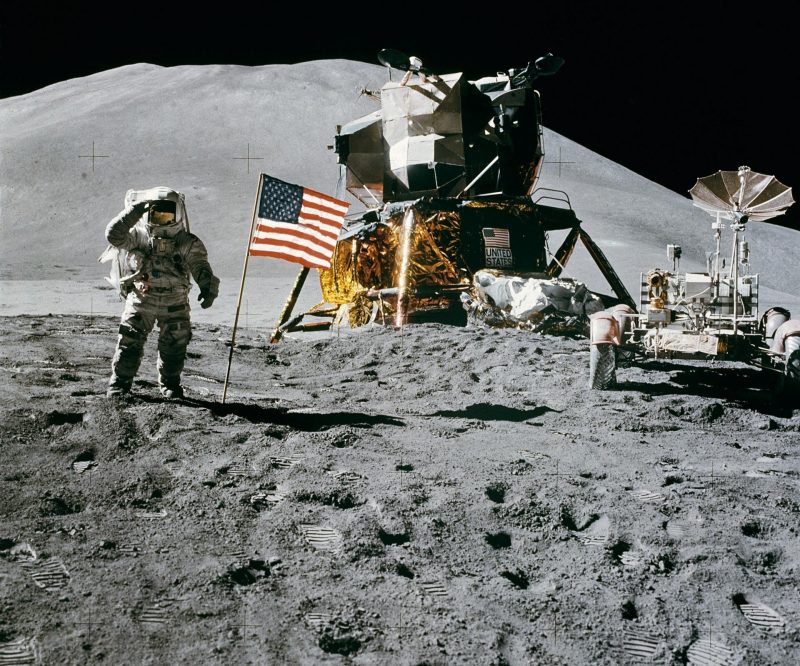
The race to land humans on the moon is heating up, with several countries, including the United States, vying for the distinction of being the first to achieve this feat.…
Astronomers use something called "surface brightness" to measure how bright an object appears in the sky. The Moon, being closer to Earth than the stars, appears brighter than the sky…

NASA has been working towards establishing a permanent human presence on the moon since the late 1950s, and their upcoming Artemis program aims to explore the lunar surface and establish…
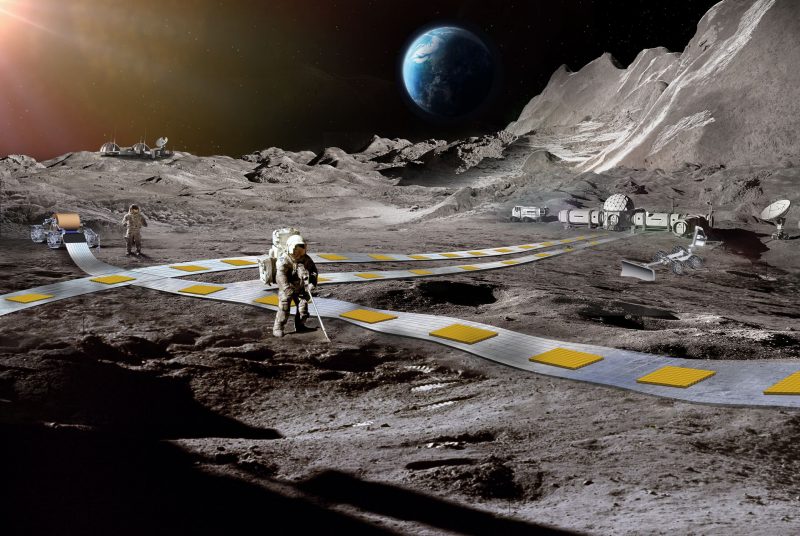
Kamo'oalewa, Earth's quasi-satellite, was previously believed to be a constituent of the asteroid belt. However, recent studies suggest that it is more likely to be debris ejected from the lunar…
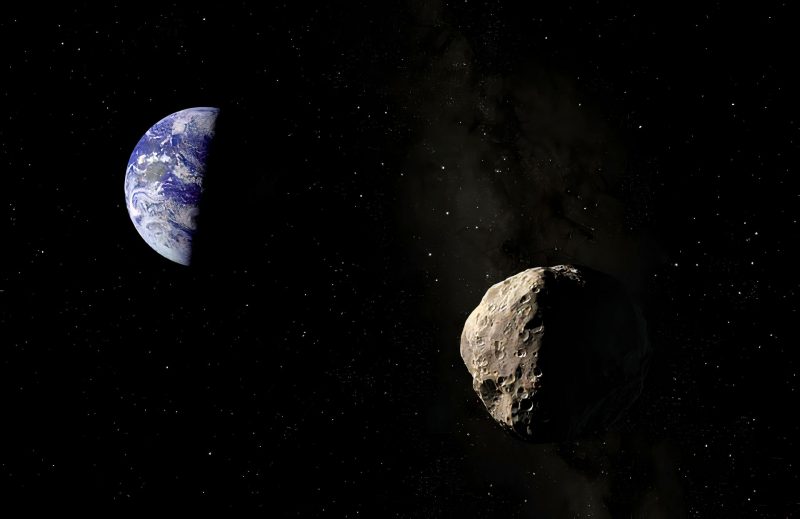
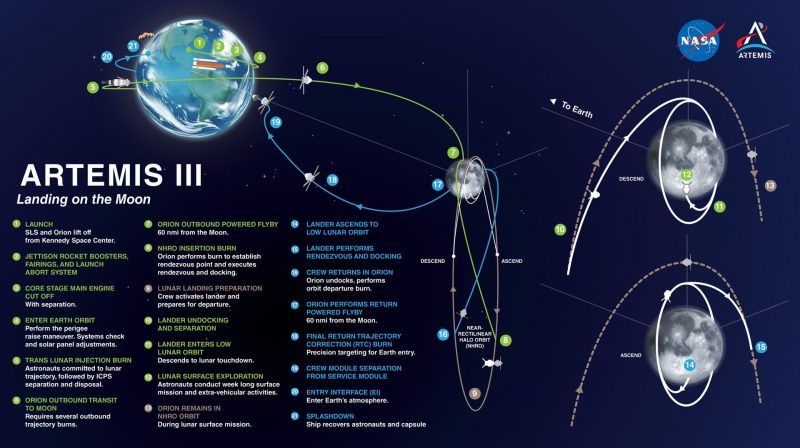
NASA recently unveiled the initial three scientific experiments planned for the Artemis III mission, which aims to pave the way for sustained human presence on the moon and prepare for…