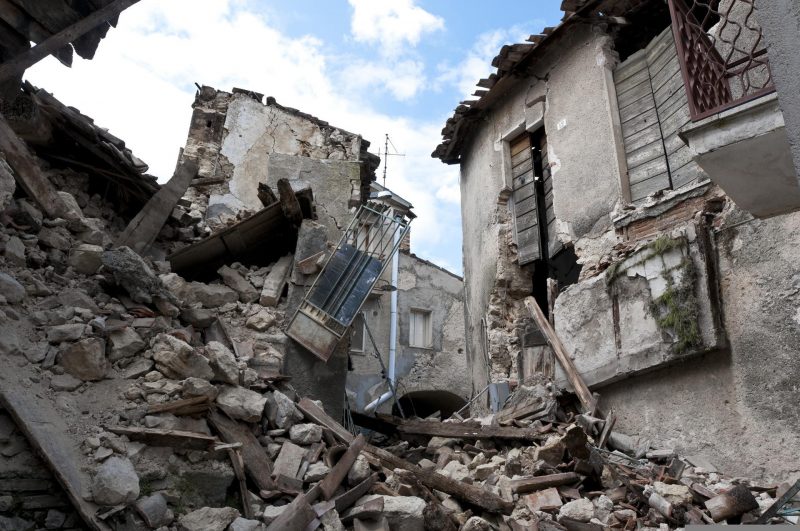
An international team of marine researchers, led by Cornell University, has successfully completed a pioneering deep-sea drilling project to investigate the fault responsible for the 2011 Tōhoku earthquake in Japan. Conducted at a depth of 7 kilometers beneath the ocean surface, the project set multiple records, including the establishment of a seafloor observatory, geophysical logging, and core sampling.
Drilling operations reached 1 kilometer below the seabed, directly into the fault zone, despite extreme deep-sea conditions. This initiative, part of the International Ocean Discovery Program (IODP), aims to enhance understanding of subduction zone characteristics and improve earthquake and tsunami prediction capabilities. Initial findings from 2012 revealed that the earthquake triggered a fault slip of 50–60 meters, generating an unexpectedly massive tsunami.
Key data from the latest drilling indicate that the fault experienced abnormally high temperatures due to friction during the earthquake, suggesting an exceptionally weak fault structure. Researchers also observed fault fractures widening and fluid migration during aftershocks—phenomena that can alter geological stress distribution.
Twelve years after the initial exploration, the team found that the tectonic plates in the region are still shifting at a rate of 10 centimeters per year. With advanced monitoring equipment, scientists hope to gain deeper insights into stress accumulation and assess whether shallow fault zones could trigger another major earthquake.
The project culminated in the construction of a deeper seafloor observatory, with data expected to drive significant breakthroughs in earthquake mechanics research. This pioneering deep-sea exploration provides invaluable firsthand information on the mechanisms behind earthquakes and tsunamis.
Groundbreaking Deep-Sea Drilling Sheds Light on 2011 Japan Earthquake Fault
Tags
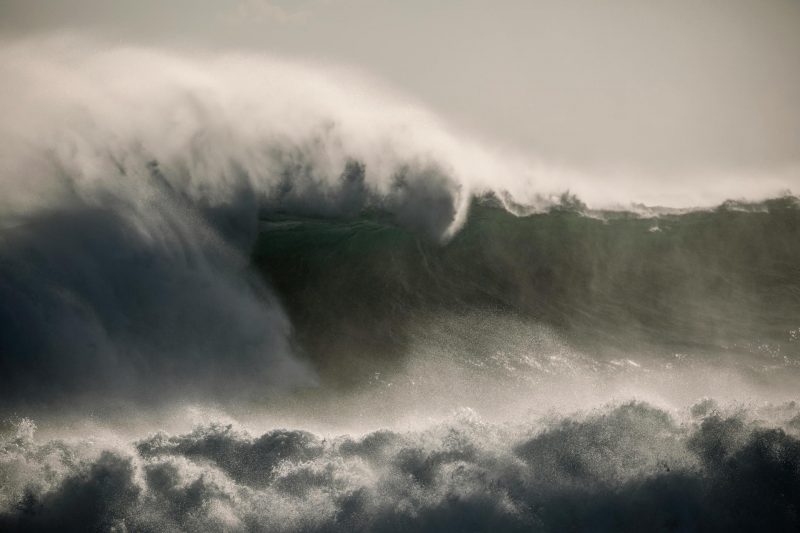
Scientists have discovered hundreds of massive coral boulders scattered inland on Anegada Island in the British Virgin Islands—evidence of a catastrophic tsunami that struck in the late 14th century. The…
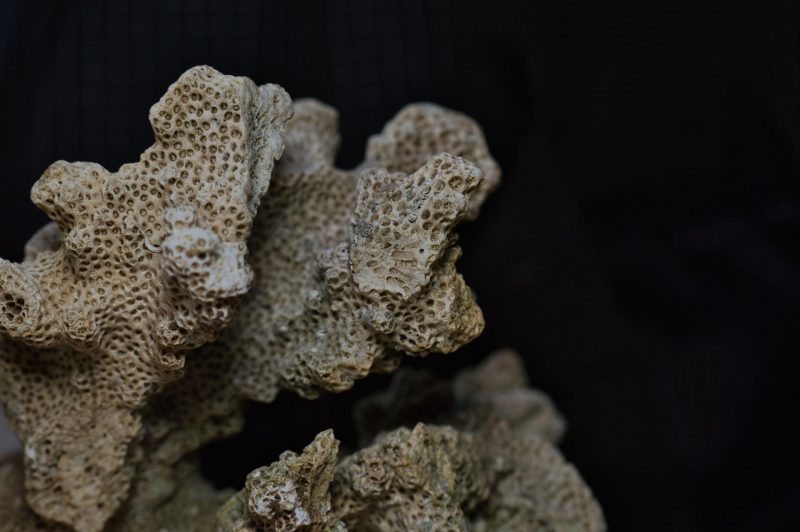
When earthquakes strike, the ground shaking people feel accounts for only a small fraction of the total energy released. Researchers at the Massachusetts Institute of Technology (MIT) have now shown…
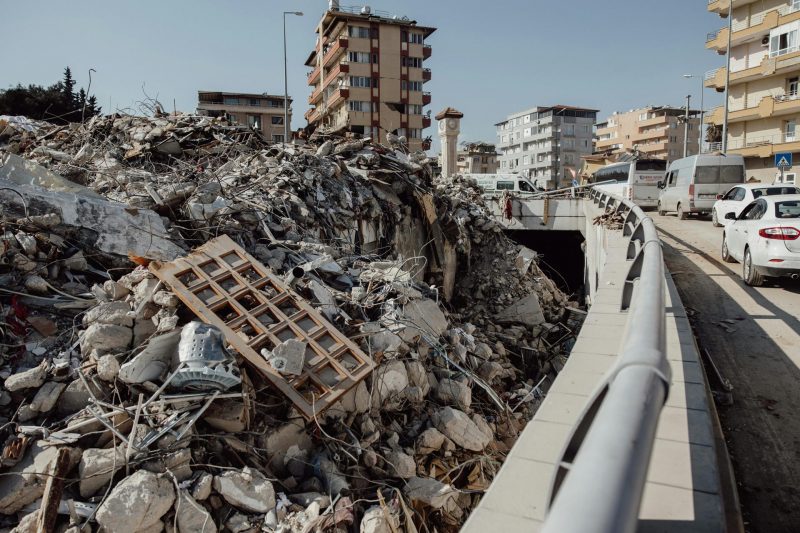
Climate change is not only intensifying droughts, heatwaves, and storm surges but may also be increasing the risk of earthquakes through accelerated glacier melt. A research team from ETH Zurich…
Managing Underground Pressure May Prevent Volcanic Unrest in Southern Italy, Study Finds
Frequent earthquakes in Italy's Campi Flegrei volcanic region since 2022 have raised safety concerns for hundreds of thousands of residents, particularly around Naples. A new study led by researchers at…
On March 28, 2025, a powerful magnitude 7.7 earthquake struck near Mandalay, Myanmar, followed by a magnitude 6.7 aftershock. Both quakes occurred along the Sagaing Fault—a major strike-slip fault running…