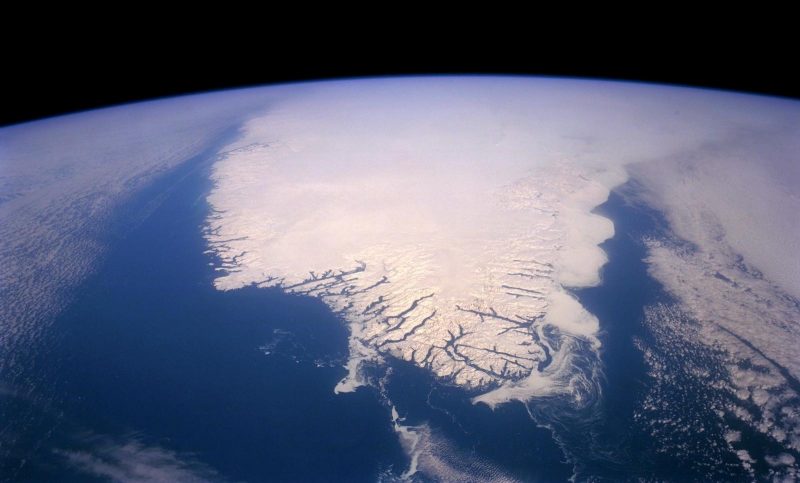
Satellite observations conducted by American scientists reveal that the Greenland Ice Sheet, the world's second largest ice sheet, has lost approximately 5,091 square kilometers of ice since 1985. While this ice loss has a minimal impact on sea level rise, it can influence ocean circulation and the global distribution of thermal energy. The findings of this significant research were recently published in the journal "Nature" on January 18.
Over the past few decades, global ice sheets have been retreating, and the Greenland ice sheet, in particular, has experienced an accelerated period of mass loss since the 1990s. Climate models confidently predict that this trend of ice loss in Greenland will persist, making it crucial to study past instances of ice sheet retreat in order to better understand and predict future behavior.
A team of researchers at NASA's Jet Propulsion Laboratory in Pasadena, California, utilized satellite imagery to analyze 236,328 glacier end locations from 1985 to 2022. This comprehensive analysis allowed them to quantify the extent of calving (the process of glacier ends breaking off), changes in the ice sheet's edge, and the overall loss of ice area.
Their findings indicate that the Greenland ice sheet has lost approximately 5,091 square kilometers of ice over the past 40 years, which is equivalent to about 1034 megatons (1034 trillion kilograms) of ice. Specifically, since January 2000, these ice sheets have been retreating at an average rate of 218 square kilometers per year. Although this retreat has not caused a significant rise in sea levels, it may have implications for Earth's ocean circulation patterns and the distribution of thermal energy. Moreover, the regions of the Greenland ice sheet that exhibit the largest disparities between winter growth and summer retreat within a single year, such as the Jakobshavn Isbræ and Zachariæ Isstrøm glaciers, have also experienced the most substantial retreat between 1985 and 2022. This suggests that seasonal changes in glaciers could serve as predictors of long-term retreat.
Greenland Ice Sheet Loses Over 5000 Square Kilometers of Ice in 40 Years
Tags
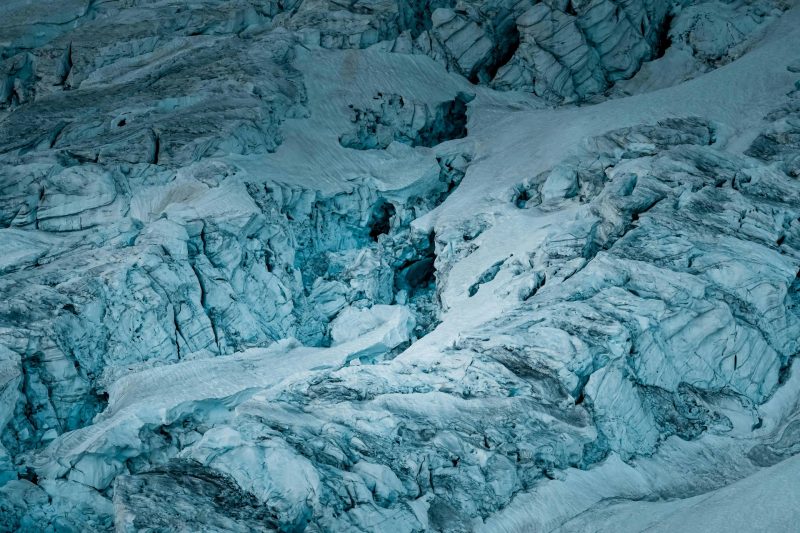
Climate change is not only intensifying droughts, heatwaves, and storm surges but may also be increasing the risk of earthquakes through accelerated glacier melt. A research team from ETH Zurich…
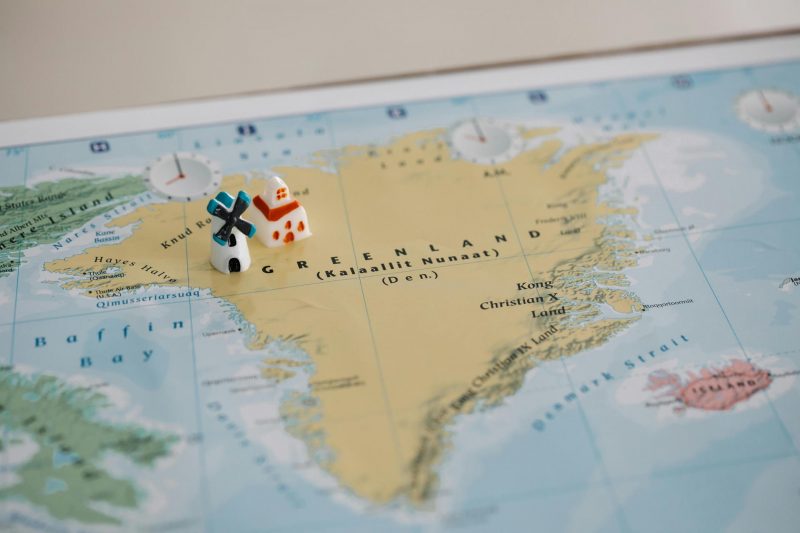
A new study analyzing the genomes of nearly 6,000 Greenlanders reveals that after their Inuit ancestors first settled the island about 1,000 years ago, little subsequent migration occurred. This prolonged…
Glaciologists have recently released a white paper advocating for increased research into novel strategies to protect fragile ice sheets, including the construction of flexible barriers and deep drilling. Over the…
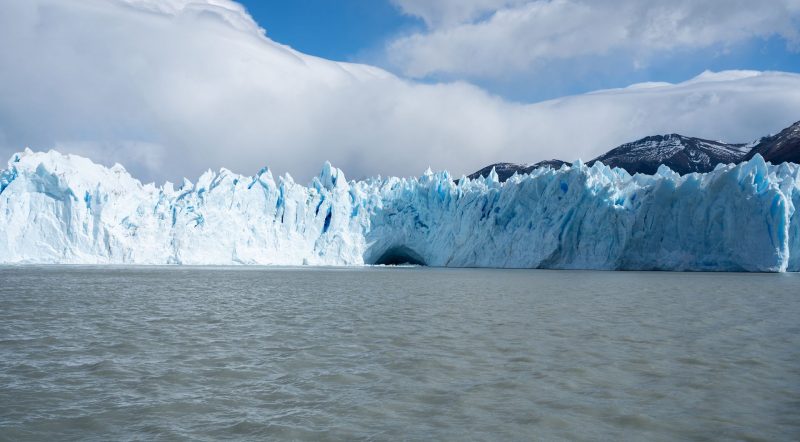
French scientists have made a significant discovery, revealing that the North Greenland ice shelf is rapidly retreating, resulting in a reduction of over 30% in total volume since 1978. Previously…