A new study analyzing the genomes of nearly 6,000 Greenlanders reveals that after their Inuit ancestors first settled the island about 1,000 years ago, little subsequent migration occurred. This prolonged isolation appears to have made Greenlanders more susceptible to certain genetic disorders compared to populations elsewhere.
Published recently in Nature, the research addresses a longstanding gap in genetic studies, where indigenous groups—including Greenlanders—have been underrepresented in DNA databases that are predominantly European. Earlier, limited studies indicated that life in the Arctic profoundly altered the genetic makeup of Greenlanders, many of whom display mixed Inuit and European ancestry.
Researchers from Queen Ingrid Hospital in Greenland sequenced the DNA of 5,996 individuals. By comparing these full or partial genomes, the team confirmed that Greenland was originally settled by a small group of fewer than 300 migrants. These early settlers traveled from Siberia to North America before reaching Greenland over the past millennium.
The study notes that following this initial migration, Greenlanders did not disperse widely along the coast but instead remained in isolated communities, leading to the development of distinctive genetic traits and mutations. While some mutations seem to be adaptive responses to the Arctic environment, the prolonged isolation has also resulted in a higher prevalence of certain recessive disease alleles linked to harmful conditions.
These findings offer new insights into how centuries of isolation have shaped the unique genetic landscape of Greenlanders, illuminating both their evolutionary adaptations and the health challenges they face. As migration and globalization continue to transform Greenlandic society, ongoing genetic research will be essential for monitoring disease trends and ensuring equitable healthcare for the population.
Centuries of Isolation Shape Greenlanders' Unique Genetic Profile, Study Finds

Tags
A large-scale genetic study published in Nature Medicine has uncovered a surprising paradox: a gene mutation known to cause severe obesity appears to significantly reduce the risk of heart disease…

Humans can distinguish up to a trillion different odors—yet this remarkable ability relies on only about 400 types of olfactory receptor proteins. Because these receptors are notoriously difficult to express…

Global conservation groups, scientists and beekeepers are sharply divided over whether to ban the deliberate release of genetically engineered organisms into the wild. Dozens of NGOs have urged the International…

Single-Cell Sequencing Maps Plant Stem Cell Networks, Opening Path to Higher Crop Yields
Plant stem cells are the foundation of agriculture, underpinning the production of food, feed, and biofuels. Yet the core genetic networks controlling their activity have remained poorly understood. A research…
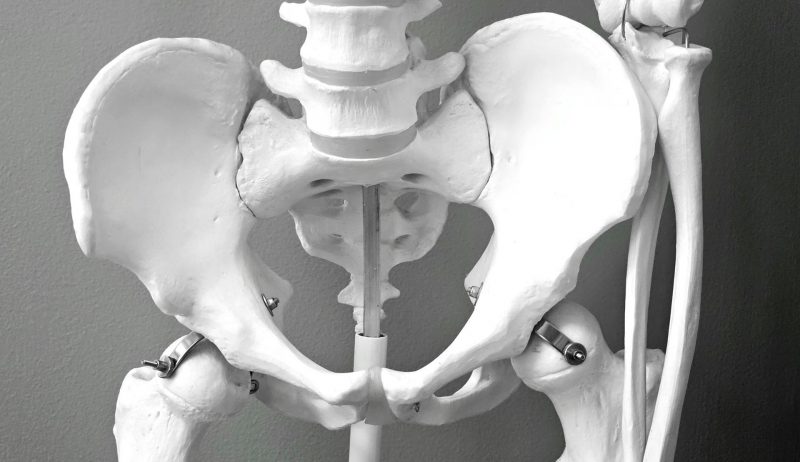
Although all vertebrates possess a pelvis, only humans have evolved a structure optimized for efficient, long-distance bipedal locomotion. This evolutionary transformation took over five million years, yet the precise developmental…
A large-scale genome-wide study involving 1.1 million individuals has made a breakthrough in understanding the genetic basis of stuttering. By analyzing data from genetic testing company 23andMe, researchers identified 57…