Australia is currently experiencing an extended period of winter heatwaves, possibly surpassing last year's record for winter average temperatures. In 2023, Australia's winter average temperature was 1.53 degrees Celsius higher than the long-term average from 1961 to 1990 of 14.96 degrees Celsius, marking the highest value since records began in 1910.
Globally, the nighttime average temperatures are rising even faster than daytime temperatures, a phenomenon scientists refer to as "asymmetric warming". Nocturnal warming is a key factor driving the overall increase in the Earth's average temperature, leading to 14 consecutive months of record-high temperatures.
Australia is not the only region in the Southern Hemisphere facing heatwave impacts. In Brazil, the Pantanal wetlands have experienced devastating wildfires this year, burning over 700,000 hectares of forests due to prolonged severe drought and unusually warm temperatures.
Researchers reported in the journal "Science" in 2023 that the Southern Hemisphere has been becoming increasingly dry over the past 20 years. Natural climate phenomena such as El Niño are significant factors; climate change may exacerbate El Niño-related rainfall and drought, particularly in the Southern Hemisphere.
These warm winters could have adverse effects on food security, water supply, and insect populations. Warmer winters also mean reduced snowpack in rivers, leading to decreased groundwater replenishment, which is unfavorable for controlling vector-borne diseases like dengue fever.
Global Impact of Rising Winter Temperatures: Southern Hemisphere Heatwaves
Tags
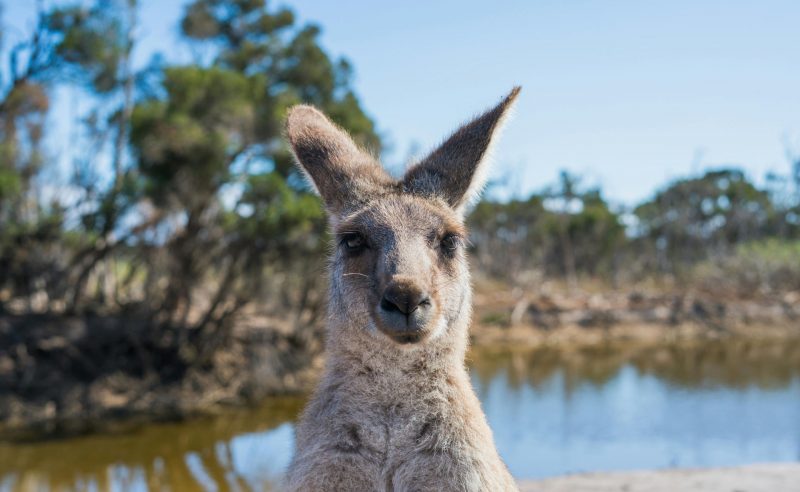
A new study led by the University of Exeter warns that the world has crossed its first recognized climate "tipping point", as coral reef ecosystems enter a state of widespread…

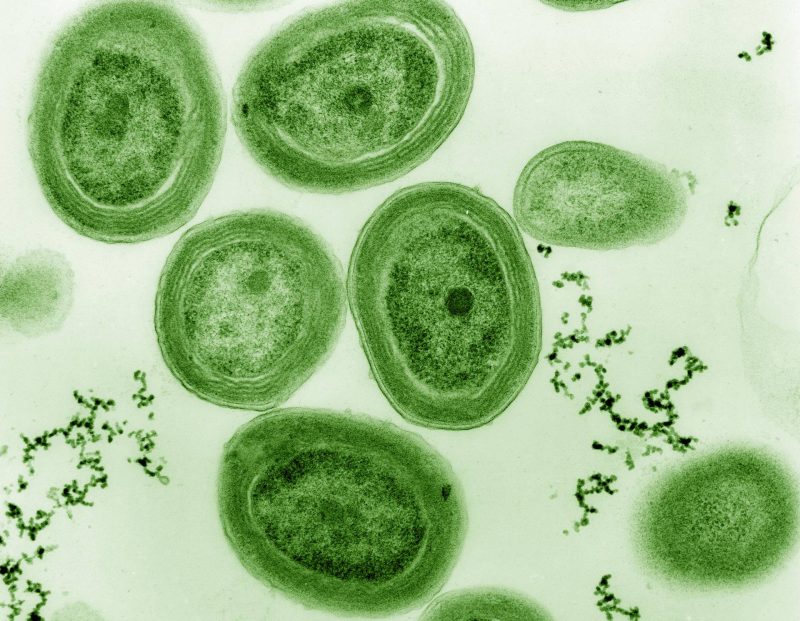
Prochlorococcus, the most abundant microbe in the oceans, is facing a survival crisis due to global warming. This single-celled cyanobacterium, found across more than 75% of the ocean's surface waters,…
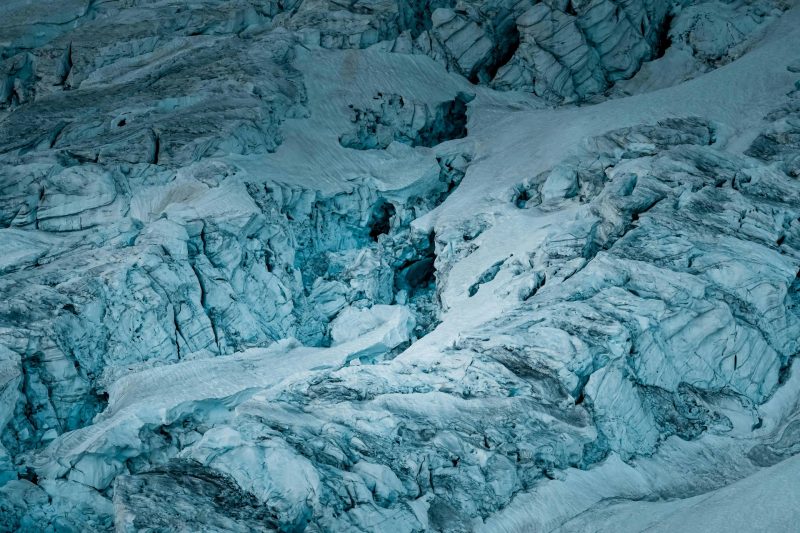
Climate change is not only intensifying droughts, heatwaves, and storm surges but may also be increasing the risk of earthquakes through accelerated glacier melt. A research team from ETH Zurich…
Global warming could significantly increase methane emissions from wetlands by promoting the growth of methane-producing microbes while suppressing the activity of methane-consuming organisms, according to a study published in Science…
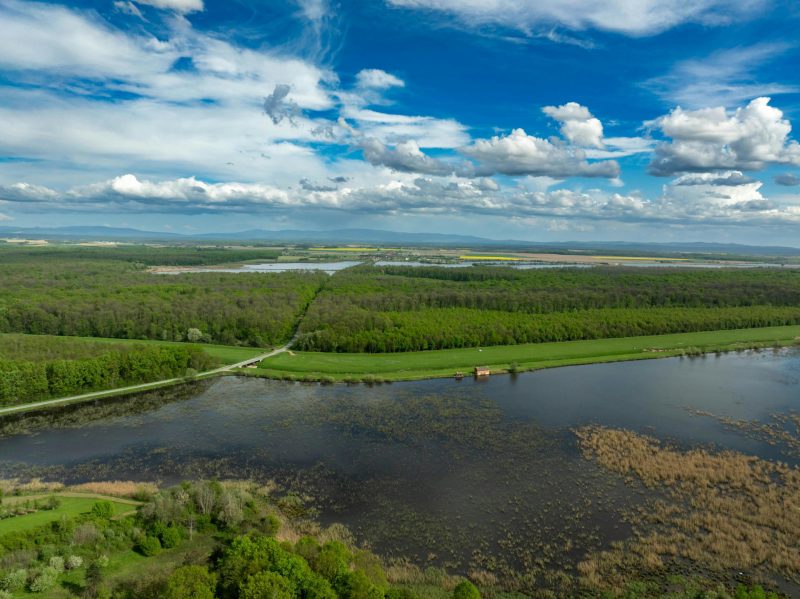
A groundbreaking study published in Science reveals that terrestrial water storage—comprising groundwater, soil moisture, and surface water—has been declining at an alarming rate since the start of the 21st century,…

Green turtles are adapting their nesting behavior in response to rising global temperatures, with females beginning to lay eggs earlier in the season to cope with warmer conditions. This finding…