A study published in the American Journal of Preventive Medicine has found that walking briskly for just 15 minutes a day can reduce all-cause mortality by nearly 20%. In contrast, walking slowly for more than three hours a day was linked only to a modest reduction in mortality. These results held true even after adjusting for other lifestyle factors.
The research, conducted by Vanderbilt University Medical Center, analyzed data from 79,856 participants—primarily low-income and African American adults—across 12 southeastern U.S. states.
The health benefits of brisk walking were particularly evident in cardiovascular health. As a form of aerobic exercise, brisk walking enhances heart efficiency, improves oxygen delivery, and strengthens cardiac pumping function. It also helps manage body weight and fat, thereby reducing the risks of hypertension and dyslipidemia.
Low-income populations often face economic stress, environmental hazards, limited safe walking spaces, poor diet quality, smoking, alcohol use, and barriers to healthcare access—all of which elevate mortality risk. The study offers crucial evidence to guide public health interventions aimed at reducing health disparities in these communities.
Importantly, researchers emphasized that the benefits of brisk walking are independent of other forms of exercise. Even individuals who already engage in regular physical activity can further reduce their mortality risk by incorporating brisk walking into their routine. This underscores the value of promoting brisk walking as a simple, cost-effective health intervention—especially for resource-limited communities.
Brisk Walking 15 Minutes Daily May Cut Mortality Risk by 20%
Published on Aug 2, 2025
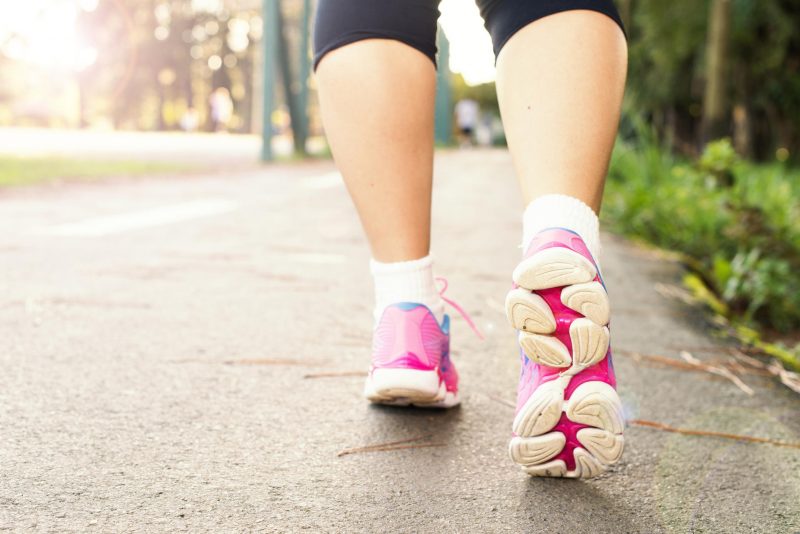
Image Credit: Daniel Reche
Tags
Balancing Lifesaving Antibiotics and Resistance Risks in Africa's Fight Against Child Mortality
Oct 25, 2025
In parts of sub-Saharan Africa, child mortality remains alarmingly high—roughly one in ten children does not survive past the age of five. The main drivers include unsafe drinking water, malnutrition,…

A recent study from the Friedman School of Nutrition Science and Policy at Tufts University suggests that drinking 1 to 2 cups of caffeinated coffee per day may lower the…

Most people have experienced the feeling of being more tired when standing still than when walking. Actually there's nothing mysterious behind this phenomenon. When standing still, the weight of the…